THE ADVENTURE COLLECTIVE® · Independent discovery and booking for outdoor travel

Head out at dawn to the Chengdu Research Base when giant pandas are most lively. This private morning tour includes hotel pickup, an English guide and admission to panda enclosures and nursery viewing.
Head out at dawn to the Chengdu Research Base when giant pandas are most lively. This private morning tour includes hotel pickup, an English guide and admission to panda enclosures and nursery viewing.
A cool Chengdu morning arrives with bamboo leaves whispering and the first keepers unlocking enclosures — this is when pandas are most animated. On a private morning trip to the Chengdu Research Base of Giant Panda Breeding, travelers step off an air-conditioned vehicle into broad walkways, wooden viewing platforms and shaded groves where adult and juvenile pandas forage, tumble and gnaw through fresh bamboo.
Verified experiences and guided adventures in the surrounding area.
Operated by Tour Insiders · Chengdu, Sichuan
A cool Chengdu morning arrives with bamboo leaves whispering and the first keepers unlocking enclosures — this is when pandas are most animated. On a private morning trip to the Chengdu Research Base of Giant Panda Breeding, travelers step off an air-conditioned vehicle into broad walkways, wooden viewing platforms and shaded groves where adult and juvenile pandas forage, tumble and gnaw through fresh bamboo.
The base opened in 1987 as a focused effort in captive breeding and research; its concrete-and-forest layout mimics subtropical Sichuan hill habitat and supports programs that reintroduced captive-born animals and advanced veterinary care. Geologically the region sits in the fertile Sichuan Basin edge, with humid air that keeps bamboo green year-round — a key detail for the animals’ diet. Culturally, pandas are a national symbol and the base blends scientific work with public education: video exhibits, nursery windows and interpretive signs outline breeding protocols and conservation goals.
Practically, the tour runs early — an 8:00 pickup is typical — to catch active feeding times. Expect gentle walking on paved paths with occasional steps; the route is accessible but can be crowded during peak weekends. Guides explain viewing etiquette (no flash photography, keep voices low) and point out nursery rooms and research centers included with your entrance. Bring comfortable shoes, a light rain layer in spring or summer monsoons, and a zoom lens for candid wildlife shots. The half-day format returns to central Chengdu before lunchtime, leaving time to explore the city’s tea houses and Sichuan cuisine in the afternoon.
Yes — the base is family-friendly, but children must be supervised and kept behind viewing barriers; strollers are allowed on paved paths.
No — direct contact with pandas is not permitted; nursery visits are observation-only and strictly controlled for health reasons.
Outside snacks should be kept to designated areas; feeding pandas is forbidden and there are cafes and rest areas on site.
Yes — this private morning tour includes hotel pickup/drop-off, an English-speaking guide, bottled water and entrance fees.
Tour Insiders operates guided outdoor trips and adventures with an emphasis on safety, stewardship, and memorable experiences.
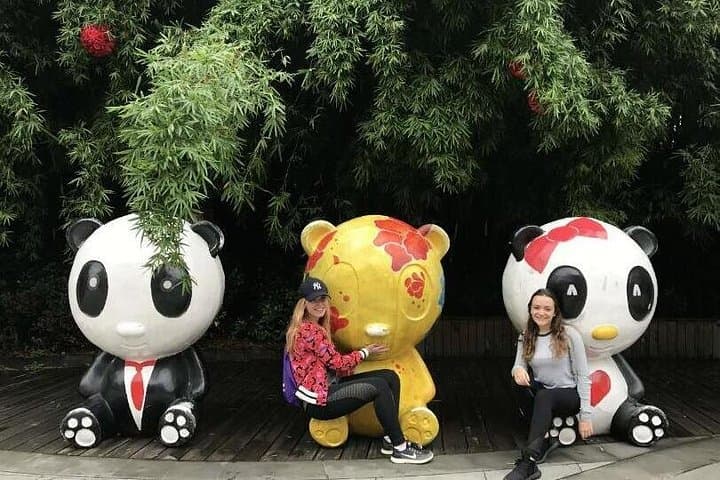
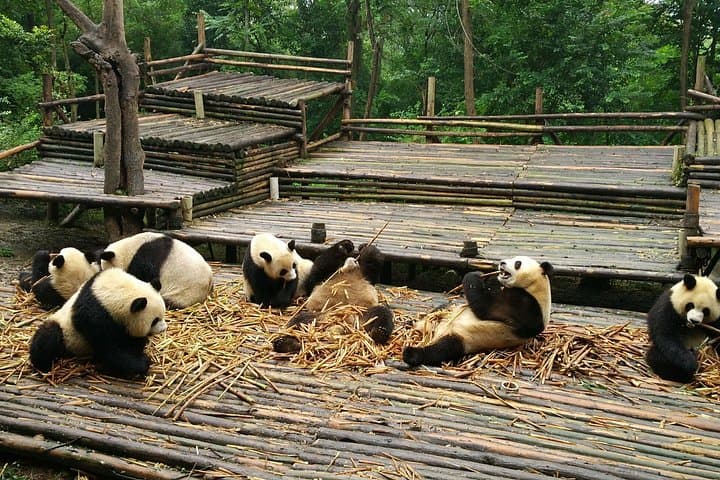

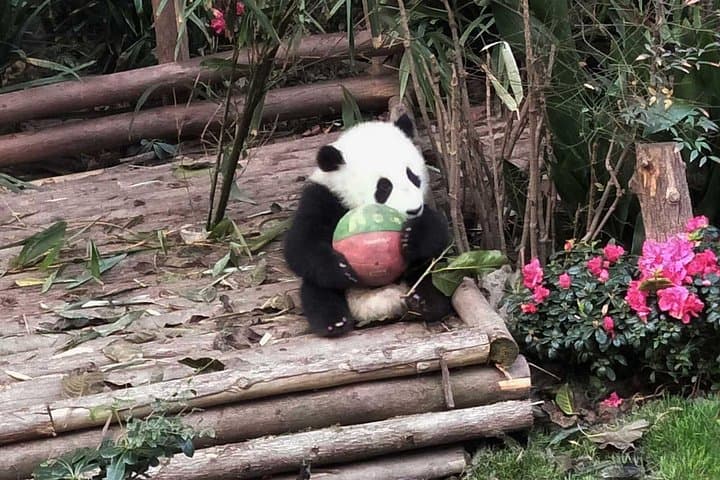
A cool Chengdu morning arrives with bamboo leaves whispering and the first keepers unlocking enclosures — this is when pandas are most animated. On a private morning trip to the Chengdu Research Base of Giant Panda Breeding, travelers step off an air-conditioned vehicle into broad walkways, wooden viewing platforms and shaded groves where adult and juvenile pandas forage, tumble and gnaw through fresh bamboo.
A cool Chengdu morning arrives with bamboo leaves whispering and the first keepers unlocking enclosures — this is when pandas are most animated. On a private morning trip to the Chengdu Research Base of Giant Panda Breeding, travelers step off an air-conditioned vehicle into broad walkways, wooden viewing platforms and shaded groves where adult and juvenile pandas forage, tumble and gnaw through fresh bamboo.
The base opened in 1987 as a focused effort in captive breeding and research; its concrete-and-forest layout mimics subtropical Sichuan hill habitat and supports programs that reintroduced captive-born animals and advanced veterinary care. Geologically the region sits in the fertile Sichuan Basin edge, with humid air that keeps bamboo green year-round — a key detail for the animals’ diet. Culturally, pandas are a national symbol and the base blends scientific work with public education: video exhibits, nursery windows and interpretive signs outline breeding protocols and conservation goals.
Practically, the tour runs early — an 8:00 pickup is typical — to catch active feeding times. Expect gentle walking on paved paths with occasional steps; the route is accessible but can be crowded during peak weekends. Guides explain viewing etiquette (no flash photography, keep voices low) and point out nursery rooms and research centers included with your entrance. Bring comfortable shoes, a light rain layer in spring or summer monsoons, and a zoom lens for candid wildlife shots. The half-day format returns to central Chengdu before lunchtime, leaving time to explore the city’s tea houses and Sichuan cuisine in the afternoon.