THE ADVENTURE COLLECTIVE® · Independent discovery and booking for outdoor travel

Spend a focused morning at the Korean Demilitarized Zone: explore Imjingak, descend the 3rd Infiltration Tunnel, and scan the horizon from Dora Observatory. This guided tour is a compact, security-controlled window into Korea’s divided landscape.
Spend a focused morning at the Korean Demilitarized Zone: explore Imjingak, descend the 3rd Infiltration Tunnel, and scan the horizon from Dora Observatory. This guided tour is a compact, security-controlled window into Korea’s divided landscape.
You step off the bus into a sharp, military-ordered quiet — the cold air here seems to hold its breath. The morning DMZ tour threads through Imjingak’s rusted relics, down into the narrow concrete corridor of the 3rd Infiltration Tunnel, then climbs to the Dora Observatory where binoculars push the border into focus and you can see the distant outline of North Korea.
Verified experiences and guided adventures in the surrounding area.
Operated by I Love Seoul Tour · Paju, Gyeonggi-do
You step off the bus into a sharp, military-ordered quiet — the cold air here seems to hold its breath. The morning DMZ tour threads through Imjingak’s rusted relics, down into the narrow concrete corridor of the 3rd Infiltration Tunnel, then climbs to the Dora Observatory where binoculars push the border into focus and you can see the distant outline of North Korea.
The DMZ was created by the 1953 armistice dividing the Korean Peninsula; sites like the 3rd Tunnel, discovered in 1978, are physical reminders of that division. Geologically the area sits on rolling lowlands and river plains; human history has carved the hard lines tourists follow. Local culture is a mix of memorialization and everyday life: Imjingak’s monuments and Dorasan Station speak to hope and unresolved history.
Practically, this is a guided, military-controlled visit: expect passport checks, rules about photography, and stairs/low tunnels to navigate. The tour runs roughly seven to eight hours round-trip from Seoul, with multiple short stops rather than long hikes. Wear closed-toe shoes, bring your passport and a charged camera, and leave large backpacks at your hotel — access and movement are tightly managed. Weather, military activity, and security can change the route at short notice, and some alternate stops (Odusan Observatory, the War Memorial) may replace core sites. For travelers who want a concentrated, historically intense half-day away from Seoul, this is an efficient, sobering look at a living border and its surprising natural quiet.
Yes — a current valid passport is required for identity checks at military-controlled checkpoints and without it you may be denied entry.
No — photography is restricted in some zones; follow your guide and on-site military personnel instructions to avoid confiscation or denial of access.
Yes — the tunnel is a designated visitor exhibit with lighting and walkways, but it involves low ceilings and stairs, so it may be uncomfortable for those with mobility issues.
Tours can be canceled or rerouted without prior notice; operators typically offer alternative itineraries but refunds and changes depend on the provider’s policy.
I Love Seoul Tour operates guided outdoor trips and adventures with an emphasis on safety, stewardship, and memorable experiences.
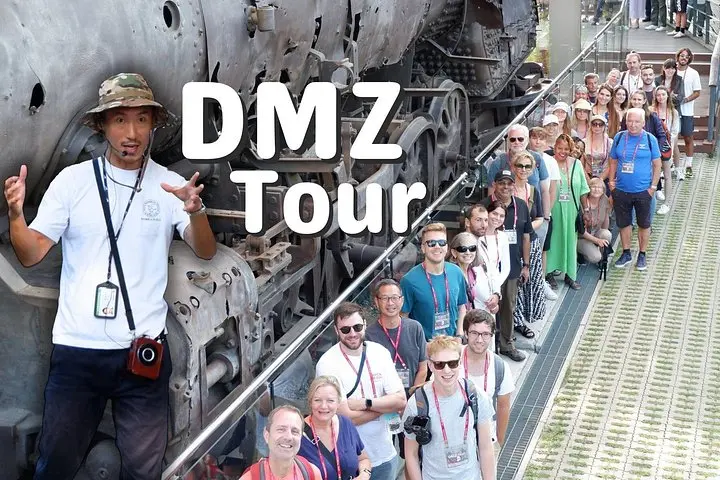
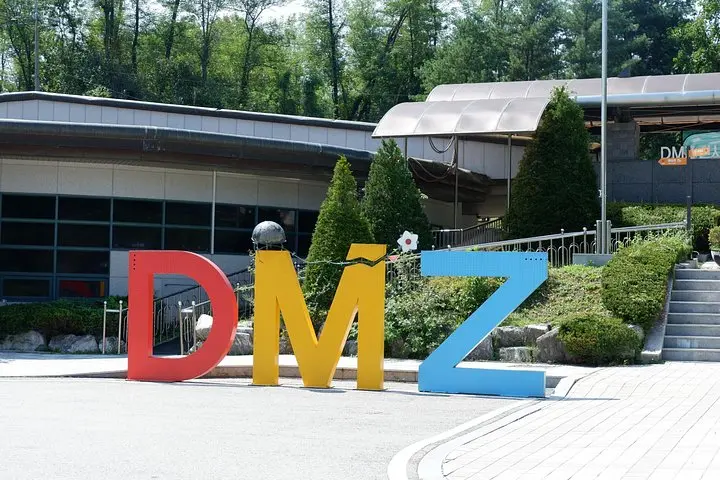
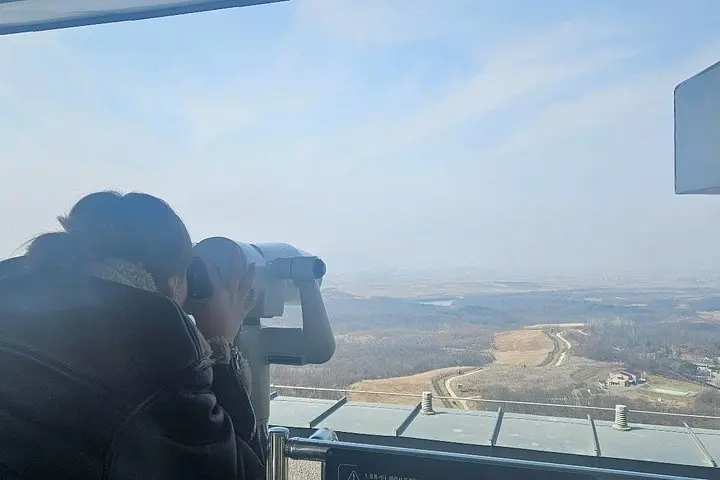
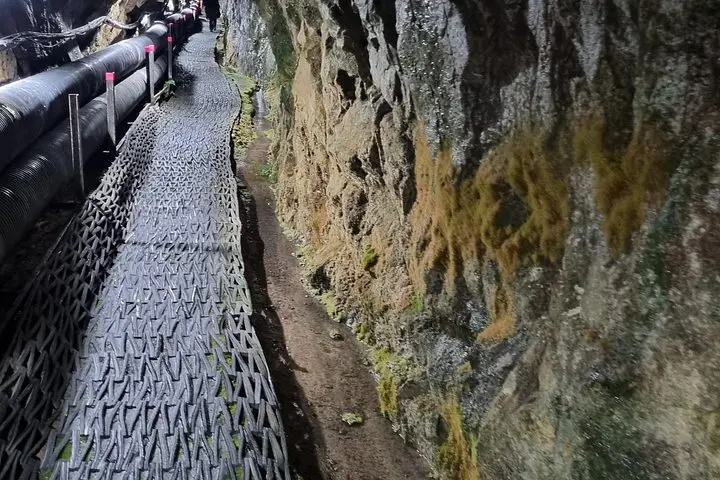
You step off the bus into a sharp, military-ordered quiet — the cold air here seems to hold its breath. The morning DMZ tour threads through Imjingak’s rusted relics, down into the narrow concrete corridor of the 3rd Infiltration Tunnel, then climbs to the Dora Observatory where binoculars push the border into focus and you can see the distant outline of North Korea.
You step off the bus into a sharp, military-ordered quiet — the cold air here seems to hold its breath. The morning DMZ tour threads through Imjingak’s rusted relics, down into the narrow concrete corridor of the 3rd Infiltration Tunnel, then climbs to the Dora Observatory where binoculars push the border into focus and you can see the distant outline of North Korea.
The DMZ was created by the 1953 armistice dividing the Korean Peninsula; sites like the 3rd Tunnel, discovered in 1978, are physical reminders of that division. Geologically the area sits on rolling lowlands and river plains; human history has carved the hard lines tourists follow. Local culture is a mix of memorialization and everyday life: Imjingak’s monuments and Dorasan Station speak to hope and unresolved history.
Practically, this is a guided, military-controlled visit: expect passport checks, rules about photography, and stairs/low tunnels to navigate. The tour runs roughly seven to eight hours round-trip from Seoul, with multiple short stops rather than long hikes. Wear closed-toe shoes, bring your passport and a charged camera, and leave large backpacks at your hotel — access and movement are tightly managed. Weather, military activity, and security can change the route at short notice, and some alternate stops (Odusan Observatory, the War Memorial) may replace core sites. For travelers who want a concentrated, historically intense half-day away from Seoul, this is an efficient, sobering look at a living border and its surprising natural quiet.