THE ADVENTURE COLLECTIVE® · Independent discovery and booking for outdoor travel

Catch Mt. Fuji from Lake Kawaguchi on a private, English-guided morning hike tailored for beginners. This 3-hour tour combines lakeside views, cultural stops, and hands-on local knowledge with hotel pickup and included gear.
Catch Mt. Fuji from Lake Kawaguchi on a private, English-guided morning hike tailored for beginners. This 3-hour tour combines lakeside views, cultural stops, and hands-on local knowledge with hotel pickup and included gear.
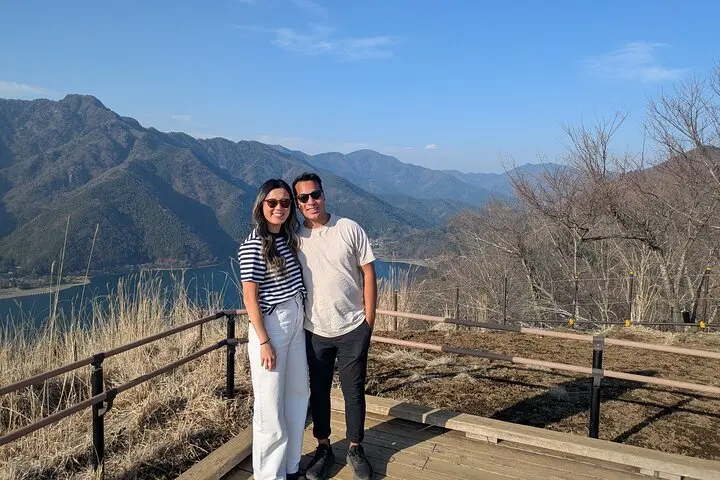
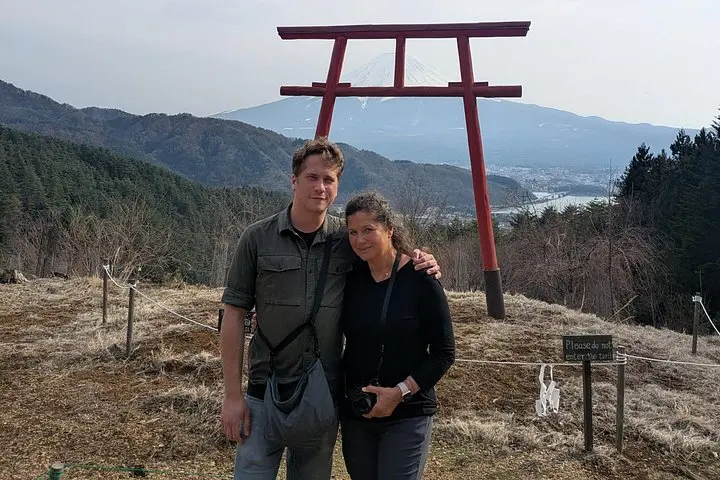
Morning light on Lake Kawaguchi cuts a clean silhouette across glassy water; a private guide leads the way along a path where pines lean toward the shore as if to get a better look at Mt. Fuji. The air is sharp and cold in early hours, and the mountain often holds its crown of snow in quiet dignity, daring the sky to hide it.
Verified experiences and guided adventures in the surrounding area.
Operated by Forest Kraft Outdoors · Fujikawaguchiko, Yamanashi Prefecture
Morning light on Lake Kawaguchi cuts a clean silhouette across glassy water; a private guide leads the way along a path where pines lean toward the shore as if to get a better look at Mt. Fuji. The air is sharp and cold in early hours, and the mountain often holds its crown of snow in quiet dignity, daring the sky to hide it.
The Kawaguchiko area grew as a travel destination in the late 19th and early 20th centuries when artists and writers began recording Fuji’s changing moods. Geology here is recent: volcanic deposits and glacial-influenced valleys shaped the five lakes that ring Fuji. Local shrines along trailheads mark centuries of pilgrimage and seasonal rites; guides commonly interpret these cultural cues while explaining ecology and wildlife.
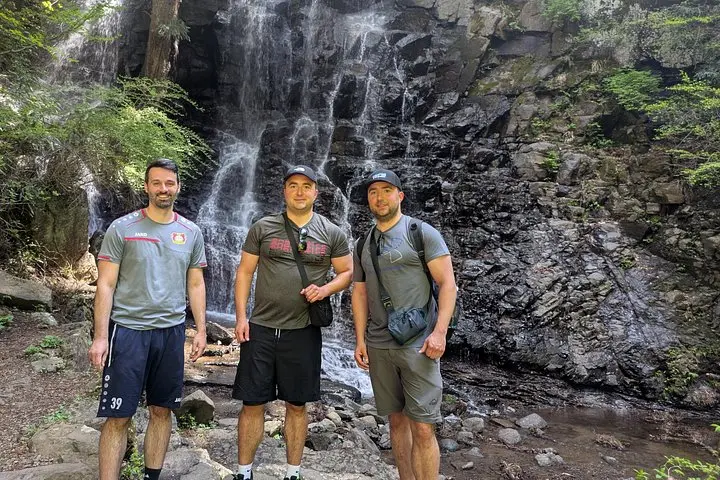
Expect a gentle, beginner-friendly hike of three hours that can be tailored to include an old shrine, waterfall, or a moss-dark forest with limestone caves depending on route choice. Your guide provides context—why certain trees grow where they do, which spring flowers follow snowmelt, and how locals historically read the mountain’s weather.
Practicalities: start early (8:30–10:30 recommended) for the best Fuji views, accept included poles and backpack, and take advantage of free hotel pickup. Terrain is mostly packed earth and short stone steps; trail conditions can be slippery after rain. Dress in layers, bring sun protection, and carry enough water even though bottled water is provided. Photography stops are frequent—your guide will take and share shots so you can focus on the walk.
Yes — free pickup and drop-off between most hotels in the Fujikawaguchiko area is included; confirm your pickup point when booking.
Clear views are most likely in the morning, but visibility depends on weather and season; guides will choose vantage points with the best chance for views.
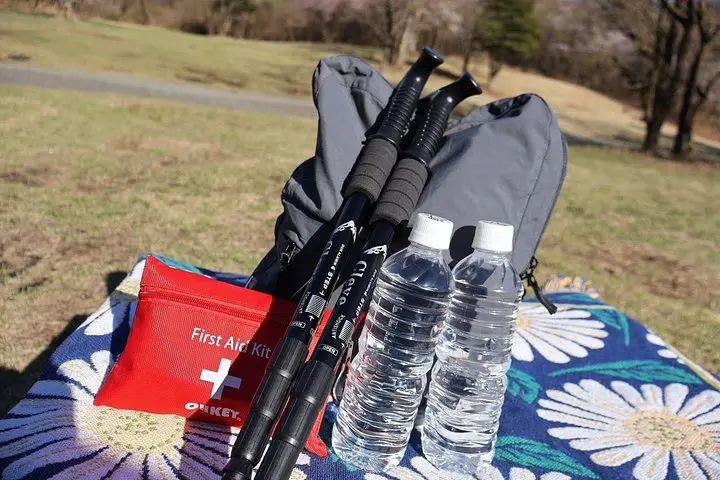
The tour includes an English-speaking guide, hiking poles, a small backpack, bottled water, snacks, emergency kit, and photography assistance.
Yes — the route is beginner-friendly and adjustable to fitness levels, but inform the operator of any mobility issues during booking.
Forest Kraft Outdoors operates guided outdoor trips and adventures with an emphasis on safety, stewardship, and memorable experiences.
Morning light on Lake Kawaguchi cuts a clean silhouette across glassy water; a private guide leads the way along a path where pines lean toward the shore as if to get a better look at Mt. Fuji. The air is sharp and cold in early hours, and the mountain often holds its crown of snow in quiet dignity, daring the sky to hide it.
Morning light on Lake Kawaguchi cuts a clean silhouette across glassy water; a private guide leads the way along a path where pines lean toward the shore as if to get a better look at Mt. Fuji. The air is sharp and cold in early hours, and the mountain often holds its crown of snow in quiet dignity, daring the sky to hide it.
The Kawaguchiko area grew as a travel destination in the late 19th and early 20th centuries when artists and writers began recording Fuji’s changing moods. Geology here is recent: volcanic deposits and glacial-influenced valleys shaped the five lakes that ring Fuji. Local shrines along trailheads mark centuries of pilgrimage and seasonal rites; guides commonly interpret these cultural cues while explaining ecology and wildlife.
Expect a gentle, beginner-friendly hike of three hours that can be tailored to include an old shrine, waterfall, or a moss-dark forest with limestone caves depending on route choice. Your guide provides context—why certain trees grow where they do, which spring flowers follow snowmelt, and how locals historically read the mountain’s weather.
Practicalities: start early (8:30–10:30 recommended) for the best Fuji views, accept included poles and backpack, and take advantage of free hotel pickup. Terrain is mostly packed earth and short stone steps; trail conditions can be slippery after rain. Dress in layers, bring sun protection, and carry enough water even though bottled water is provided. Photography stops are frequent—your guide will take and share shots so you can focus on the walk.