THE ADVENTURE COLLECTIVE® · Independent discovery and booking for outdoor travel

Begin before dawn and run two laps around the Forbidden City’s corner towers, then reward the effort at a 97‑year‑old breakfast shop serving authentic Old Beijing fare. This 8 km morning tour blends easy urban mileage with a cultural bite of the city’s culinary history.
Begin before dawn and run two laps around the Forbidden City’s corner towers, then reward the effort at a 97‑year‑old breakfast shop serving authentic Old Beijing fare. This 8 km morning tour blends easy urban mileage with a cultural bite of the city’s culinary history.
At 6:30 a.m. the air along the Forbidden City’s moat is cool and deliberate, the stone walls watching as small groups loosen muscles and lace shoes. Runners gather at Exit B of Jinyu Hutong Station, warm up with a brisk walk, then set out for two clockwise laps around the palace corner towers—each circuit roughly 4 km—tracing the outline of a 600‑year‑old imperial compound.
Verified experiences and guided adventures in the surrounding area.
Operated by Wonder Locals · Beijing, Beijing
At 6:30 a.m. the air along the Forbidden City’s moat is cool and deliberate, the stone walls watching as small groups loosen muscles and lace shoes. Runners gather at Exit B of Jinyu Hutong Station, warm up with a brisk walk, then set out for two clockwise laps around the palace corner towers—each circuit roughly 4 km—tracing the outline of a 600‑year‑old imperial compound.
The route follows flat, paved paths that sit on the North China Plain; the moat and corner towers date to the Ming dynasty and reflect timber-and-brick construction meant for visibility as much as defense. As the group rounds each corner tower, the city slips between eras: modern buses hum beyond the trees while the walls keep a quieter, older rhythm.
After the run, the itinerary moves toward an old-school breakfast shop with nearly a century of history where bowls of warm soy milk and douzhir mingle with youtiao. That stop reframes exercise as local culture—morning ritual, social exchange, a literal energy refuel.
Practical guidance: expect a 2‑hour window that includes run and breakfast; pace is commonly 6–7 min/km but is adjustable. Terrain is flat and fully paved; comfortable, well‑broken running shoes and a metro card streamline logistics. Morning crowds are low but photographers and preservation rules mean runners should yield at narrow points and avoid stepping onto historic fabric. Hydrate before arrival, carry a small bottle, and pack light—this is a city run with layers and local flavor at the finish.
The scheduled run is 8 km (two 4 km laps) at a suggested 6–7 min/km pace; participants are welcome to slow down, walk, or run independently and regroup at set points.
The meal is at a long-established Beijing breakfast shop offering items like warm soy milk, youtiao, and the local douzhir for those who want to try it.
The path is flat and paved, suitable for beginner runners with moderate fitness; however, it’s not recommended for travelers with serious cardiovascular issues or recent spinal injuries.
Meet at Exit B of Jinyu Hutong Station on Metro Line 8 at 6:30 a.m.; public transport options serve the area and the meeting point is a short walk from exits.
Wonder Locals operates guided outdoor trips and adventures with an emphasis on safety, stewardship, and memorable experiences.
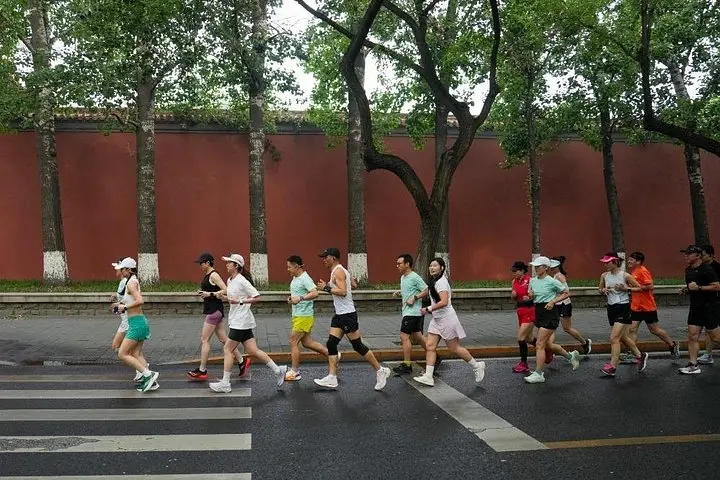

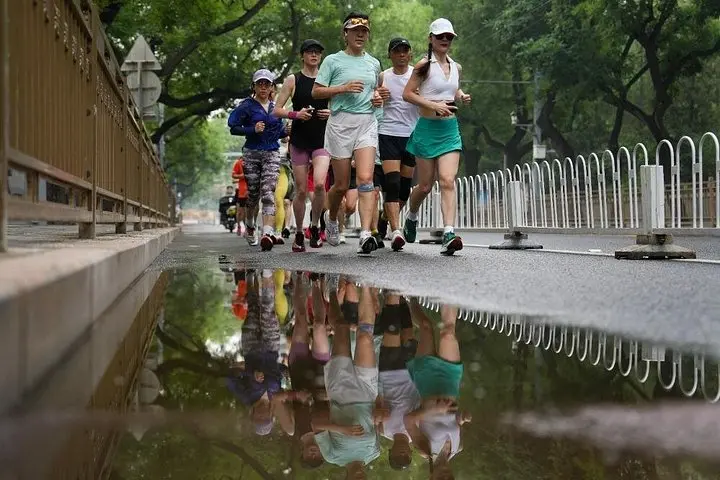

At 6:30 a.m. the air along the Forbidden City’s moat is cool and deliberate, the stone walls watching as small groups loosen muscles and lace shoes. Runners gather at Exit B of Jinyu Hutong Station, warm up with a brisk walk, then set out for two clockwise laps around the palace corner towers—each circuit roughly 4 km—tracing the outline of a 600‑year‑old imperial compound.
At 6:30 a.m. the air along the Forbidden City’s moat is cool and deliberate, the stone walls watching as small groups loosen muscles and lace shoes. Runners gather at Exit B of Jinyu Hutong Station, warm up with a brisk walk, then set out for two clockwise laps around the palace corner towers—each circuit roughly 4 km—tracing the outline of a 600‑year‑old imperial compound.
The route follows flat, paved paths that sit on the North China Plain; the moat and corner towers date to the Ming dynasty and reflect timber-and-brick construction meant for visibility as much as defense. As the group rounds each corner tower, the city slips between eras: modern buses hum beyond the trees while the walls keep a quieter, older rhythm.
After the run, the itinerary moves toward an old-school breakfast shop with nearly a century of history where bowls of warm soy milk and douzhir mingle with youtiao. That stop reframes exercise as local culture—morning ritual, social exchange, a literal energy refuel.
Practical guidance: expect a 2‑hour window that includes run and breakfast; pace is commonly 6–7 min/km but is adjustable. Terrain is flat and fully paved; comfortable, well‑broken running shoes and a metro card streamline logistics. Morning crowds are low but photographers and preservation rules mean runners should yield at narrow points and avoid stepping onto historic fabric. Hydrate before arrival, carry a small bottle, and pack light—this is a city run with layers and local flavor at the finish.