THE ADVENTURE COLLECTIVE® · Independent discovery and booking for outdoor travel

Join a sunrise kora around Swayambhunath (Monkey Temple) and finish with a Himalayan breakfast. This three‑hour experience pairs quiet meditation, local ritual, and panoramic valley views.
Join a sunrise kora around Swayambhunath (Monkey Temple) and finish with a Himalayan breakfast. This three‑hour experience pairs quiet meditation, local ritual, and panoramic valley views.
Dawn breaks over the west ridge of Kathmandu and the stupa's gilded eyes blink into the sun. You move with a local rhythm—slow steps around the prayer wheels, a measured breath at each shrine, and the occasional nudge of a curious macaque that defines the Monkey Temple’s personality.
Verified experiences and guided adventures in the surrounding area.
Operated by Suman Khatiwada · Kathmandu, Bagmati Province
Dawn breaks over the west ridge of Kathmandu and the stupa's gilded eyes blink into the sun. You move with a local rhythm—slow steps around the prayer wheels, a measured breath at each shrine, and the occasional nudge of a curious macaque that defines the Monkey Temple’s personality.
Swayambhunath is one of Kathmandu’s oldest religious sites, a hilltop complex with stupas, shrines and monasteries that has drawn pilgrims for centuries. The site commands views across the Kathmandu Valley; the hill’s terraces and stone steps are carved into older valley deposits, offering abrupt shifts from busy city streets to quiet rooftop courtyards. Culturally, the kora (circumambulation) fuses Buddhist ritual with everyday Nepali life—prayers spun, butter lamps lit, and barefoot ascents punctuated by the rattle of beads.
This experience finishes with a Himalayan breakfast—simple, warming fare that grounds the morning practice in local flavors and hospitality.
Practical guidance: arrive at first light to catch the softer light and quieter lanes; wear shoes that handle stone steps and occasional mud; dress modestly for temple respect and bring water—the stairs are short but steady. Cameras are welcome but be mindful during rituals. Expect light walking over uneven stone, close encounters with macaques (do not feed them), and a convivial breakfast shared at a nearby courtyard café. The trip is short—about three hours—ideal as a contemplative start to a Kathmandu day or a gentle introduction to Nepalese Buddhist practice.
Yes—private transportation is listed as included, typically for pick-up and drop-off within central Kathmandu.
The activity is rated easy: expect a steady 1–2 kilometer walk with stone steps and short inclines over about three hours.
The tour is suitable for most ages but not recommended for pregnant travelers or those with serious heart conditions—consult the provider if concerned.
Breakfast is a local, warming meal—often tea, bread or simple rice-based dishes—served at a nearby café or courtyard after the kora.
Suman Khatiwada operates guided outdoor trips and adventures with an emphasis on safety, stewardship, and memorable experiences.
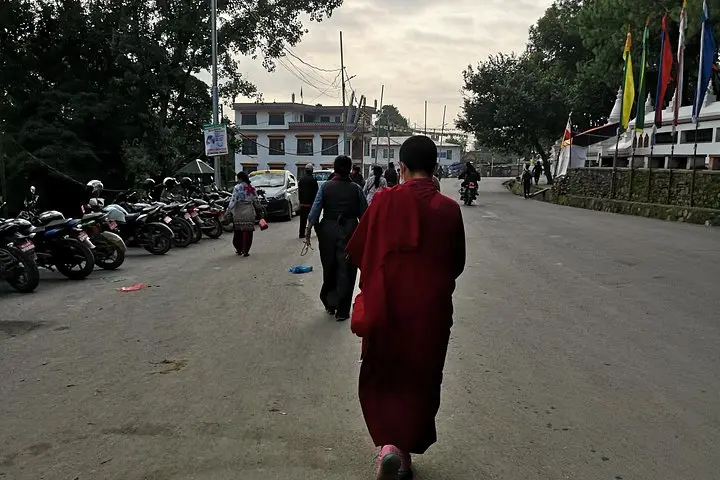
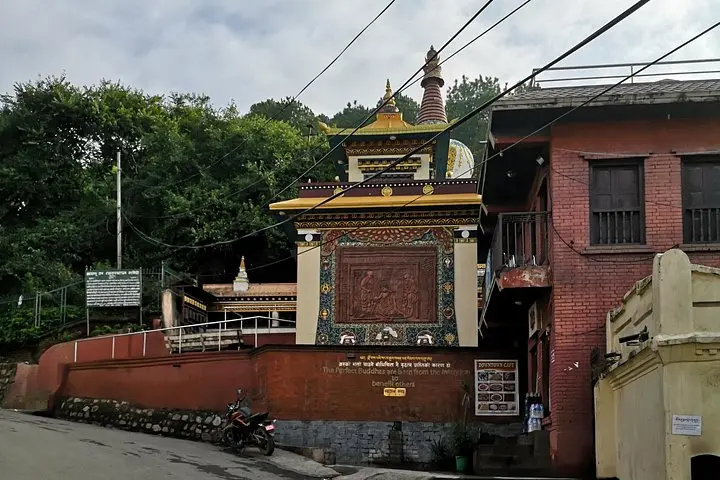
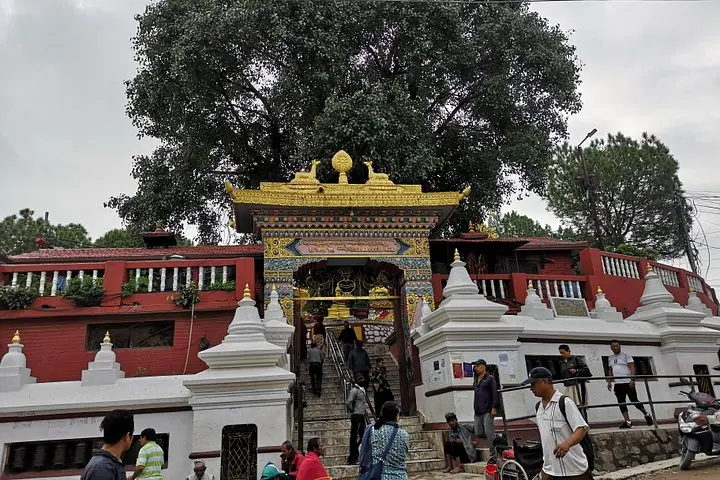
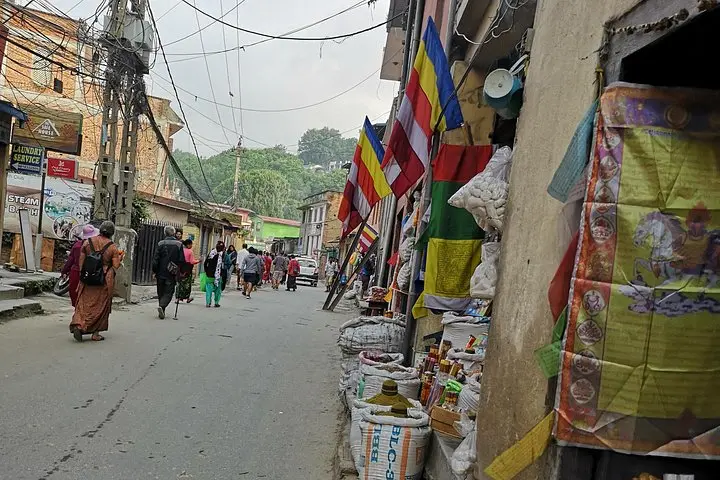
Dawn breaks over the west ridge of Kathmandu and the stupa's gilded eyes blink into the sun. You move with a local rhythm—slow steps around the prayer wheels, a measured breath at each shrine, and the occasional nudge of a curious macaque that defines the Monkey Temple’s personality.
Dawn breaks over the west ridge of Kathmandu and the stupa's gilded eyes blink into the sun. You move with a local rhythm—slow steps around the prayer wheels, a measured breath at each shrine, and the occasional nudge of a curious macaque that defines the Monkey Temple’s personality.
Swayambhunath is one of Kathmandu’s oldest religious sites, a hilltop complex with stupas, shrines and monasteries that has drawn pilgrims for centuries. The site commands views across the Kathmandu Valley; the hill’s terraces and stone steps are carved into older valley deposits, offering abrupt shifts from busy city streets to quiet rooftop courtyards. Culturally, the kora (circumambulation) fuses Buddhist ritual with everyday Nepali life—prayers spun, butter lamps lit, and barefoot ascents punctuated by the rattle of beads.
This experience finishes with a Himalayan breakfast—simple, warming fare that grounds the morning practice in local flavors and hospitality.
Practical guidance: arrive at first light to catch the softer light and quieter lanes; wear shoes that handle stone steps and occasional mud; dress modestly for temple respect and bring water—the stairs are short but steady. Cameras are welcome but be mindful during rituals. Expect light walking over uneven stone, close encounters with macaques (do not feed them), and a convivial breakfast shared at a nearby courtyard café. The trip is short—about three hours—ideal as a contemplative start to a Kathmandu day or a gentle introduction to Nepalese Buddhist practice.