THE ADVENTURE COLLECTIVE® · Independent discovery and booking for outdoor travel

Spend a morning on Europe’s highest active volcano: walk the Silvestri Craters, enter a lava tube with provided helmets and torches, and peer into the dramatic Valle del Bove before tasting local Etna products in Zafferana.
Spend a morning on Europe’s highest active volcano: walk the Silvestri Craters, enter a lava tube with provided helmets and torches, and peer into the dramatic Valle del Bove before tasting local Etna products in Zafferana.
A pre-dawn drive from Catania drops you into a thinning air and a light that strips the island of distraction: black lava ridges catching pale gold, wind pushing a dust of pumice across the path. The tour moves deliberately — a short climb to the Silvestri Craters around 2,000 m, a torch-lit entry into a cooled lava tube, then long views into the hollowed gorge of the Valle del Bove where scarred slopes show eruptions across centuries.
Verified experiences and guided adventures in the surrounding area.
Operated by Exclusive Etna Excursion · Catania, Sicily
A pre-dawn drive from Catania drops you into a thinning air and a light that strips the island of distraction: black lava ridges catching pale gold, wind pushing a dust of pumice across the path. The tour moves deliberately — a short climb to the Silvestri Craters around 2,000 m, a torch-lit entry into a cooled lava tube, then long views into the hollowed gorge of the Valle del Bove where scarred slopes show eruptions across centuries.
Mount Etna is Europe’s most active stratovolcano; its cycles of flow and collapse have shaped eastern Sicily’s soils and settlements. The 1991–93 flows that reached the outskirts of Zafferana Etnea are a recent chapter you’ll see in basalt and collapsed houses. Along lower slopes, small farms and agriturismi cultivate unique citrus, honey and wines grown on volcanic soils — you’ll taste these regional products during the stop in Zafferana.
Practically: this is a morning half-day, roughly five hours by itinerary, with short walks on uneven volcanic rock and a guided lava cave visit. Helmets and torches are supplied; layers, sturdy footwear and sun protection are essential. Altitude and loose terrain make pace steady rather than fast; guides manage group safety and point out geological features and endemic plants. Expect wind and strong sunlight even when temperatures at sea level are mild.
Plan for a morning slot for cooler temperatures and clearer visibility. Respect trail markers and private land; volcanic ground is fragile and changes unexpectedly. The experience is sensory and geological — ash underfoot, a quiet that shifts only when wind scours a slope — and built for travelers who want direct contact with an active landscape and its agrarian culture.
Yes — pickup from accommodations or an agreed meeting point in Catania is included in the tour.
Yes; helmets and torches are supplied for the lava tube visit and use is mandatory inside the cave.
The tour is described as easy and accepts families; infants must sit on laps and specialized infant seats are available — check age limits with the operator.
The tour is not recommended for travelers with serious heart problems due to altitude and uneven terrain; notify guides of medical issues when booking.
Exclusive Etna Excursion operates guided outdoor trips and adventures with an emphasis on safety, stewardship, and memorable experiences.
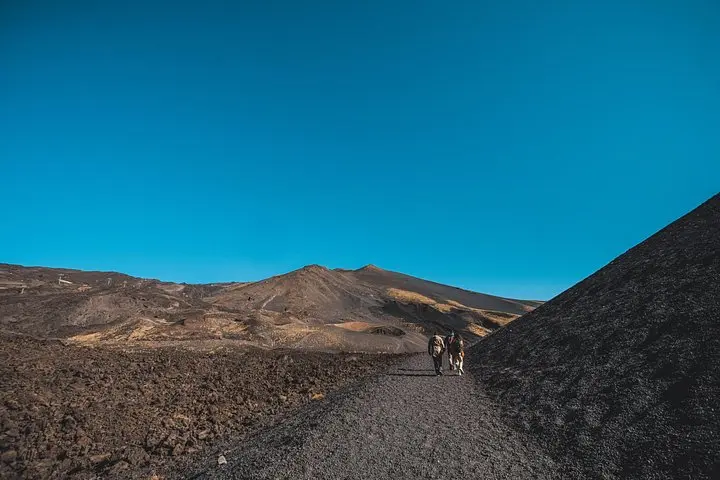
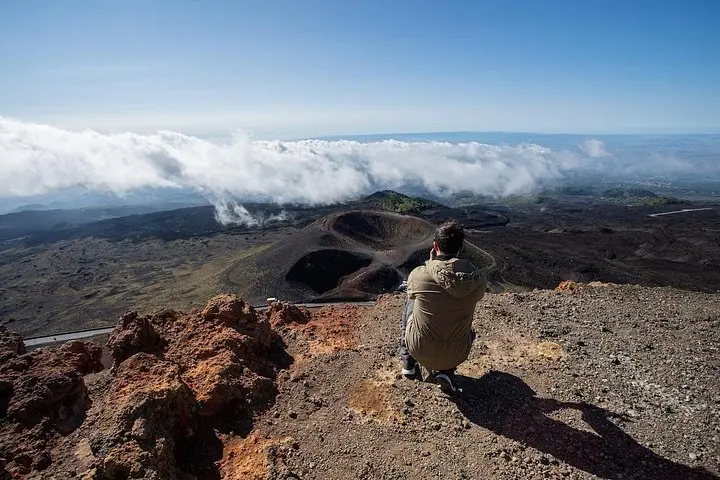
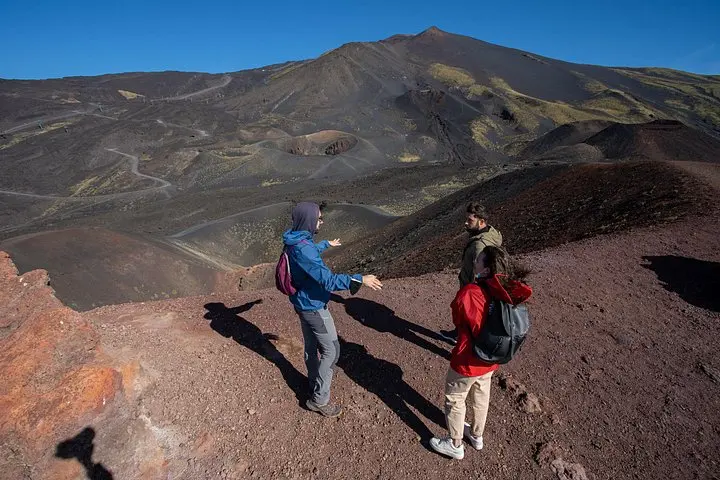
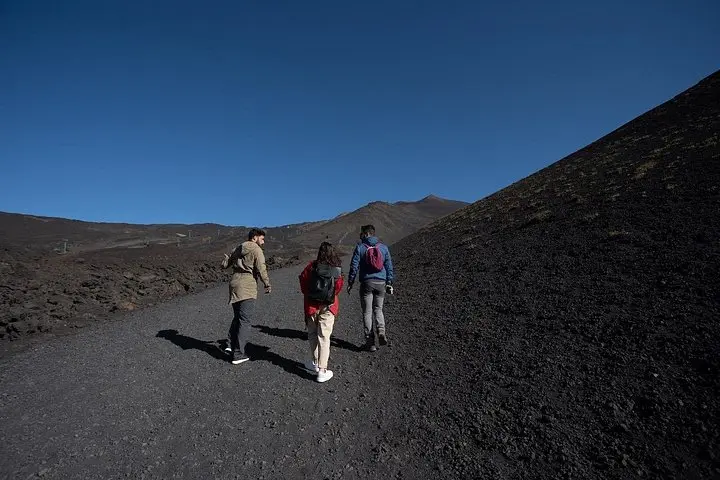
A pre-dawn drive from Catania drops you into a thinning air and a light that strips the island of distraction: black lava ridges catching pale gold, wind pushing a dust of pumice across the path. The tour moves deliberately — a short climb to the Silvestri Craters around 2,000 m, a torch-lit entry into a cooled lava tube, then long views into the hollowed gorge of the Valle del Bove where scarred slopes show eruptions across centuries.
A pre-dawn drive from Catania drops you into a thinning air and a light that strips the island of distraction: black lava ridges catching pale gold, wind pushing a dust of pumice across the path. The tour moves deliberately — a short climb to the Silvestri Craters around 2,000 m, a torch-lit entry into a cooled lava tube, then long views into the hollowed gorge of the Valle del Bove where scarred slopes show eruptions across centuries.
Mount Etna is Europe’s most active stratovolcano; its cycles of flow and collapse have shaped eastern Sicily’s soils and settlements. The 1991–93 flows that reached the outskirts of Zafferana Etnea are a recent chapter you’ll see in basalt and collapsed houses. Along lower slopes, small farms and agriturismi cultivate unique citrus, honey and wines grown on volcanic soils — you’ll taste these regional products during the stop in Zafferana.
Practically: this is a morning half-day, roughly five hours by itinerary, with short walks on uneven volcanic rock and a guided lava cave visit. Helmets and torches are supplied; layers, sturdy footwear and sun protection are essential. Altitude and loose terrain make pace steady rather than fast; guides manage group safety and point out geological features and endemic plants. Expect wind and strong sunlight even when temperatures at sea level are mild.
Plan for a morning slot for cooler temperatures and clearer visibility. Respect trail markers and private land; volcanic ground is fragile and changes unexpectedly. The experience is sensory and geological — ash underfoot, a quiet that shifts only when wind scours a slope — and built for travelers who want direct contact with an active landscape and its agrarian culture.