THE ADVENTURE COLLECTIVE® · Independent discovery and booking for outdoor travel

Catch the reservoir at first light and watch elephants move close to the vehicle on a private morning safari at Udawalawe. This short, focused drive is ideal for photographers and wildlife lovers seeking close elephant encounters.
Catch the reservoir at first light and watch elephants move close to the vehicle on a private morning safari at Udawalawe. This short, focused drive is ideal for photographers and wildlife lovers seeking close elephant encounters.
Dawn lifts off the Udawalawe reservoir in a wash of pale gold and the first silhouettes are the elephants — slow, deliberate, unconcerned by the vehicle’s presence. On a morning private safari the water’s edge pulls the eye: cattle egrets ripple around trunks, kingfishers flash, and the grass plain stretches toward low, weathered hills.
Verified experiences and guided adventures in the surrounding area.
Operated by La Safari Inn · Udawalawe, Sabaragamuwa Province
Dawn lifts off the Udawalawe reservoir in a wash of pale gold and the first silhouettes are the elephants — slow, deliberate, unconcerned by the vehicle’s presence. On a morning private safari the water’s edge pulls the eye: cattle egrets ripple around trunks, kingfishers flash, and the grass plain stretches toward low, weathered hills.
Udawalawe National Park was created in 1972 to protect the watershed around the man-made reservoir and to secure habitat for Sri Lanka’s elephant population. Geologically the park sits on undulating plains cut by seasonal streams; soils are shallow and support open grasslands and scrub that concentrate grazers and browsers. Local villages and ranger stations speak to a long relationship between people and elephants — both shared resources and conservation challenges.
Expect a short, focused outing: 2–3 hours of game drives over firm dirt tracks with minimal elevation gain. Vehicles often get close to feeding or crossing elephants; guides read their behavior and steer vehicles to safe, observational distances. Light plays a large role — mornings offer the best contrast for photography and cooler temperatures for both animals and visitors.
Practical notes: cameras with telephoto lenses or good zoom are valuable, as are binoculars and sun protection. Wear lightweight, neutral-colored clothing and closed shoes for rocky access points. The experience suits most fitness levels but isn’t recommended for pregnant travelers or people with serious heart conditions. Bring water, respect the animals’ space, and follow your guide’s instructions — Udawalawe rewards patience with unforgettable, up-close wildlife encounters.
Morning drives typically have the highest chance of close sightings as elephants come to water and graze in cooler hours.
Animals at Udawalawe are habituated and can approach within meters; guides maintain safe distances and will reposition vehicles if animals show stress.
Yes—safaris are low-impact and seated; however infants must sit on laps and travelers with serious heart conditions or pregnant visitors are advised not to go.
This tour generally includes fees, bottled water, and a simple breakfast—confirm inclusions at booking and carry small change for extra tips.
La Safari Inn operates guided outdoor trips and adventures with an emphasis on safety, stewardship, and memorable experiences.
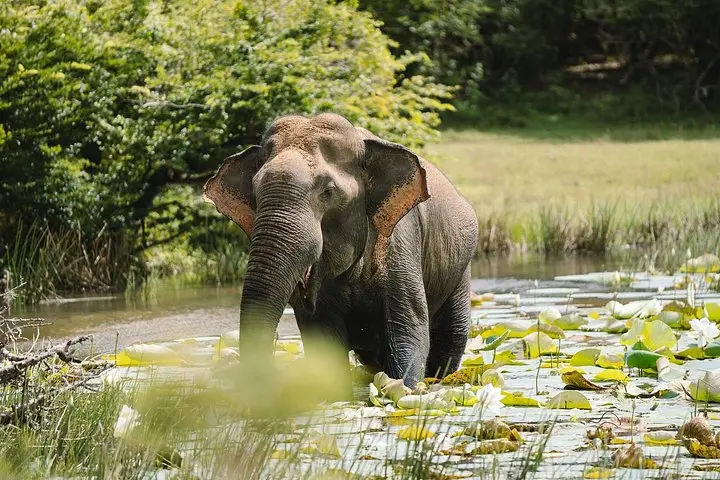
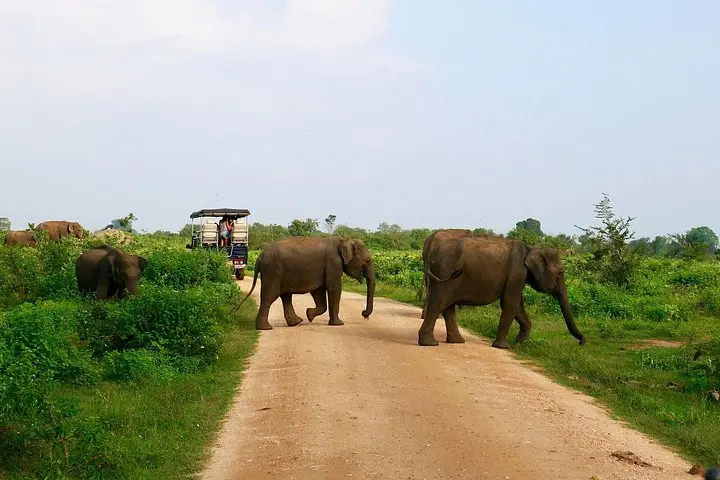
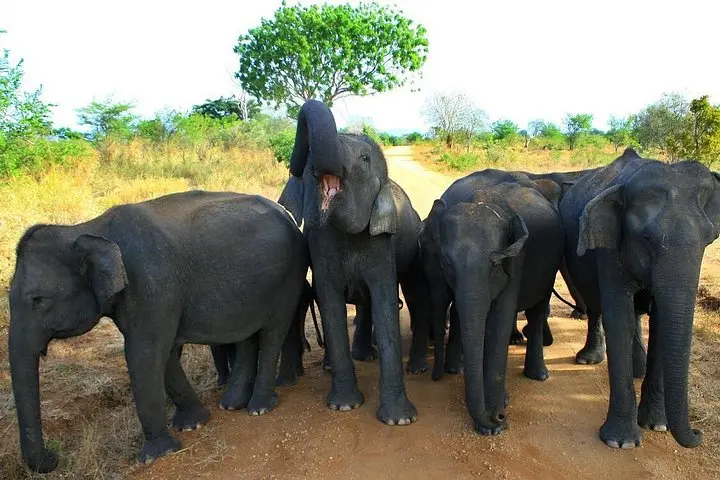
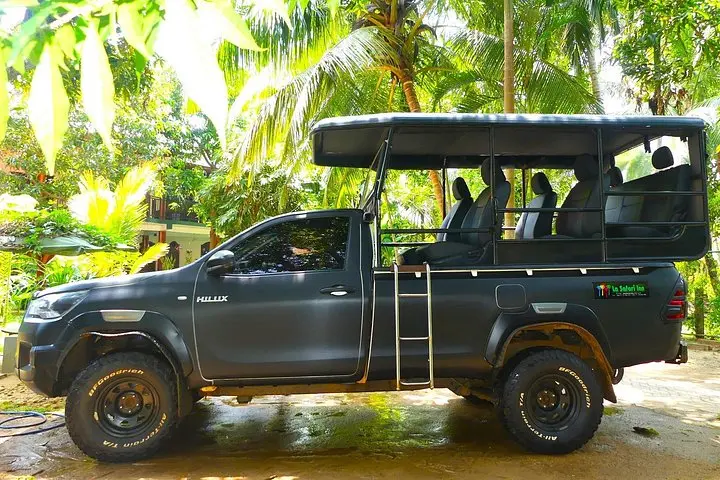
Dawn lifts off the Udawalawe reservoir in a wash of pale gold and the first silhouettes are the elephants — slow, deliberate, unconcerned by the vehicle’s presence. On a morning private safari the water’s edge pulls the eye: cattle egrets ripple around trunks, kingfishers flash, and the grass plain stretches toward low, weathered hills.
Dawn lifts off the Udawalawe reservoir in a wash of pale gold and the first silhouettes are the elephants — slow, deliberate, unconcerned by the vehicle’s presence. On a morning private safari the water’s edge pulls the eye: cattle egrets ripple around trunks, kingfishers flash, and the grass plain stretches toward low, weathered hills.
Udawalawe National Park was created in 1972 to protect the watershed around the man-made reservoir and to secure habitat for Sri Lanka’s elephant population. Geologically the park sits on undulating plains cut by seasonal streams; soils are shallow and support open grasslands and scrub that concentrate grazers and browsers. Local villages and ranger stations speak to a long relationship between people and elephants — both shared resources and conservation challenges.
Expect a short, focused outing: 2–3 hours of game drives over firm dirt tracks with minimal elevation gain. Vehicles often get close to feeding or crossing elephants; guides read their behavior and steer vehicles to safe, observational distances. Light plays a large role — mornings offer the best contrast for photography and cooler temperatures for both animals and visitors.
Practical notes: cameras with telephoto lenses or good zoom are valuable, as are binoculars and sun protection. Wear lightweight, neutral-colored clothing and closed shoes for rocky access points. The experience suits most fitness levels but isn’t recommended for pregnant travelers or people with serious heart conditions. Bring water, respect the animals’ space, and follow your guide’s instructions — Udawalawe rewards patience with unforgettable, up-close wildlife encounters.