THE ADVENTURE COLLECTIVE® · Independent discovery and booking for outdoor travel

Start before sunrise and climb from vineyards to hardened lava fields on Etna. This guided morning trek includes extinct craters at ~2,000 m and a walk through a lava tube with helmets and torches provided.
Start before sunrise and climb from vineyards to hardened lava fields on Etna. This guided morning trek includes extinct craters at ~2,000 m and a walk through a lava tube with helmets and torches provided.
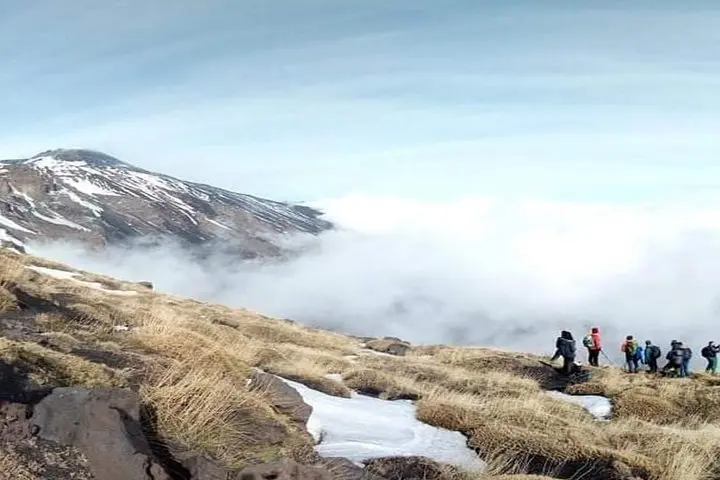
You start before the island wakes, wind sharpening the silhouette of Mount Etna as you climb away from the olive groves and vineyards that cling to its lower slopes.
Verified experiences and guided adventures in the surrounding area.
Operated by Etna Sicily Tours · Catania, Sicily
You start before the island wakes, wind sharpening the silhouette of Mount Etna as you climb away from the olive groves and vineyards that cling to its lower slopes.
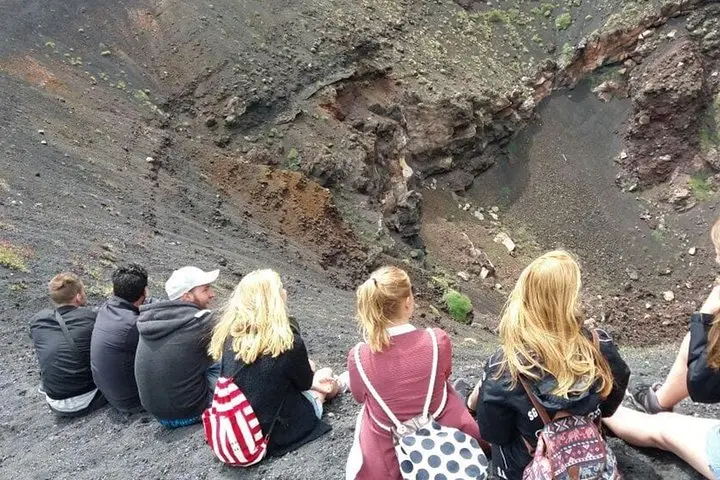
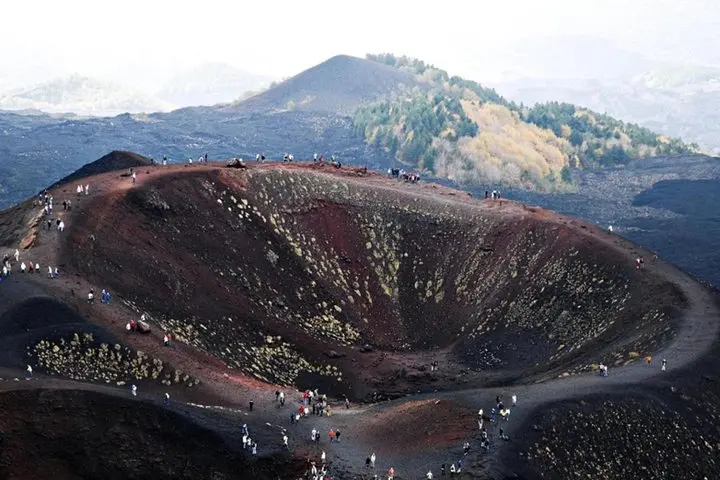
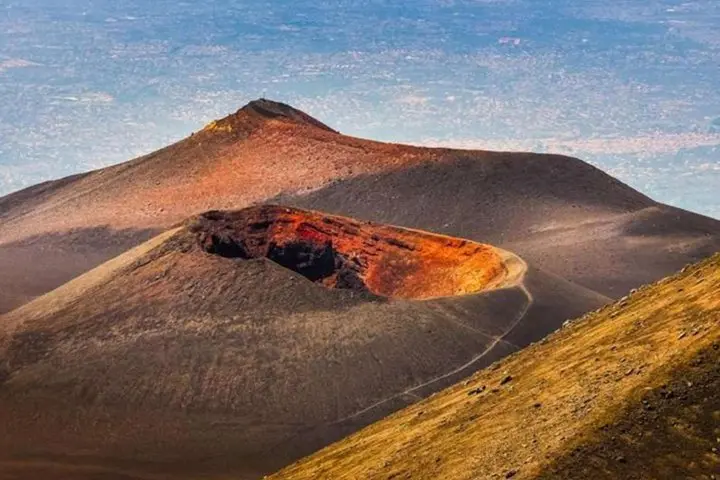
The path rises through small Etna villages—blackened stone houses, terraced orchards—until the trail opens onto older lava flows that crunch underfoot. At roughly 2,000 meters you reach extinct craters and a caldera edge where the volcanic ground hums with recent geology; steam vents and glassy pahoehoe remind you this is Europe’s largest active volcano.
Guides on this morning trek weave local history and geology together: centuries of eruptions that reshaped settlements, the lava-built roads, and the resilience of communities that farm volcanic soils. You’ll enter a lava tube cave wearing a helmet and torch, moving like a speleologist through a tunnel formed by cooling lava.
Culturally the route passes hamlets where citrus and pistachio groves reflect the island’s agricultural traditions. Practicalities matter: trails are uneven and can be windy; guides provide helmets and torches and transport in air-conditioned vehicles. In winter some sections move to lower altitude when roads are icy.
Expect a roughly five-hour excursion, moderate footing, and regular stops to discuss crater morphology and local life. Bring sturdy hiking shoes, a windproof layer, water and sun protection. Timing the hike for morning light gives the best views and cooler conditions, making this a compact yet full introduction to Etna’s landscape and living culture.
The route is classified moderate with steady uphill sections but no technical climbing; many operators note it’s suitable for participants in general good health.
Yes—guides supply helmets and helmet-mounted torches for the cave section.
You may see fumaroles and recent lava fields, but active lava flow sightings are rare and dependent on current volcanic activity and safety restrictions.
Private air-conditioned transport is typically included to and from meeting points, check your booking for pickup specifics.
Etna Sicily Tours operates guided outdoor trips and adventures with an emphasis on safety, stewardship, and memorable experiences.
You start before the island wakes, wind sharpening the silhouette of Mount Etna as you climb away from the olive groves and vineyards that cling to its lower slopes.
You start before the island wakes, wind sharpening the silhouette of Mount Etna as you climb away from the olive groves and vineyards that cling to its lower slopes.
The path rises through small Etna villages—blackened stone houses, terraced orchards—until the trail opens onto older lava flows that crunch underfoot. At roughly 2,000 meters you reach extinct craters and a caldera edge where the volcanic ground hums with recent geology; steam vents and glassy pahoehoe remind you this is Europe’s largest active volcano.
Guides on this morning trek weave local history and geology together: centuries of eruptions that reshaped settlements, the lava-built roads, and the resilience of communities that farm volcanic soils. You’ll enter a lava tube cave wearing a helmet and torch, moving like a speleologist through a tunnel formed by cooling lava.
Culturally the route passes hamlets where citrus and pistachio groves reflect the island’s agricultural traditions. Practicalities matter: trails are uneven and can be windy; guides provide helmets and torches and transport in air-conditioned vehicles. In winter some sections move to lower altitude when roads are icy.
Expect a roughly five-hour excursion, moderate footing, and regular stops to discuss crater morphology and local life. Bring sturdy hiking shoes, a windproof layer, water and sun protection. Timing the hike for morning light gives the best views and cooler conditions, making this a compact yet full introduction to Etna’s landscape and living culture.