THE ADVENTURE COLLECTIVE® · Independent discovery and booking for outdoor travel

Spend a morning cruising Delhi by tuk‑tuk to two contrasting cultural sites: the marble halls of Chhatarpur Temple and the medieval Qutub Minar complex in Mehrauli. This 2–3 hour private tour mixes quiet temple courtyards with towering, centuries‑old ruins.
Spend a morning cruising Delhi by tuk‑tuk to two contrasting cultural sites: the marble halls of Chhatarpur Temple and the medieval Qutub Minar complex in Mehrauli. This 2–3 hour private tour mixes quiet temple courtyards with towering, centuries‑old ruins.
You step into the soft, early light of south Delhi as your tuk‑tuk threads narrow lanes, the engine chattering like a city guide. First, the Chhatarpur Temple complex opens across 60 acres of courtyards and marble halls — an unexpectedly modern shrine where carved pillars and latticed marble catch the sun. The air smells of incense and cooking fires; devotees move with deliberate calm while the guide points out South and North Indian architectural elements.
Verified experiences and guided adventures in the surrounding area.
Operated by SITA World Tours · New Delhi, Delhi
You step into the soft, early light of south Delhi as your tuk‑tuk threads narrow lanes, the engine chattering like a city guide. First, the Chhatarpur Temple complex opens across 60 acres of courtyards and marble halls — an unexpectedly modern shrine where carved pillars and latticed marble catch the sun. The air smells of incense and cooking fires; devotees move with deliberate calm while the guide points out South and North Indian architectural elements.
A short tuk‑tuk ride pushes you toward Mehrauli and the 12th‑century Qutub Minar. The tower rises in rough red sandstone, its carved bands keeping stories of conquest and craft. Nearby, the Iron Pillar stands quietly, its centuries of rust resistance still a curious engineering note. Wander the mosque ruins at the Minar’s base, where stone arches frame the skyline and peacocks or monkeys sometimes strut through the grass.
This blend of new‑era worship and medieval monument tells Delhi’s layered history: post‑1970s temple expansion, Sultanate architecture, and colonial‑era archaeology work that shaped the park you visit today. Local guides often point out less obvious details — inscriptions, reused Hindu temple stone in mosque walls, and the city beyond the ruins.
Practical guidance: dress modestly (shoulders and knees covered), wear comfortable walking shoes for uneven stone and courtyards, and expect 2–3 hours including tuk‑tuk transit and short walks. Mornings are cooler and less crowded; carry water and a hat, and leave footwear at temple entrances where required.
Yes—this tour includes admission to the Qutub Minar complex as noted in the itinerary.
Yes—private air‑conditioned vehicle hotel pickup and drop‑off are included in the tour price.
No—footwear must be removed before entering temple sanctums; socks are acceptable if you prefer not to be barefoot.
The short tuk‑tuk segments are fine for most, but the tour involves walking and some steps; not recommended for those with serious mobility or spinal issues.
SITA World Tours operates guided outdoor trips and adventures with an emphasis on safety, stewardship, and memorable experiences.


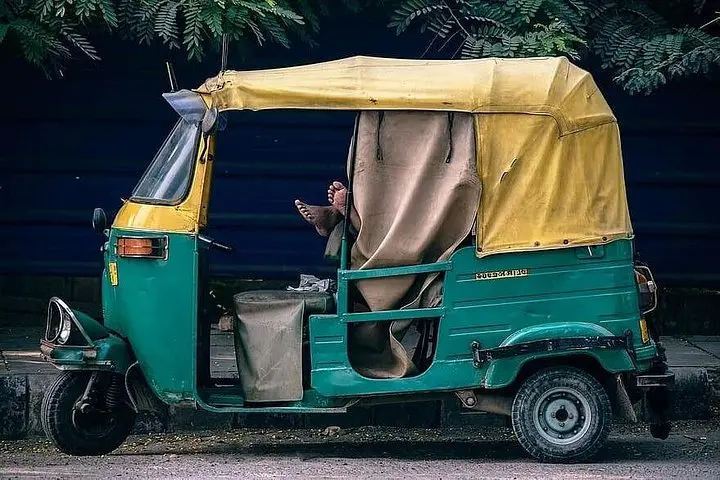
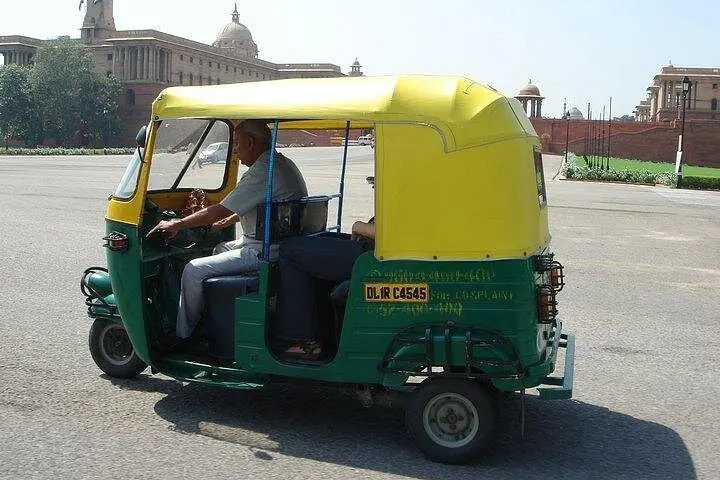
You step into the soft, early light of south Delhi as your tuk‑tuk threads narrow lanes, the engine chattering like a city guide. First, the Chhatarpur Temple complex opens across 60 acres of courtyards and marble halls — an unexpectedly modern shrine where carved pillars and latticed marble catch the sun. The air smells of incense and cooking fires; devotees move with deliberate calm while the guide points out South and North Indian architectural elements.
You step into the soft, early light of south Delhi as your tuk‑tuk threads narrow lanes, the engine chattering like a city guide. First, the Chhatarpur Temple complex opens across 60 acres of courtyards and marble halls — an unexpectedly modern shrine where carved pillars and latticed marble catch the sun. The air smells of incense and cooking fires; devotees move with deliberate calm while the guide points out South and North Indian architectural elements.
A short tuk‑tuk ride pushes you toward Mehrauli and the 12th‑century Qutub Minar. The tower rises in rough red sandstone, its carved bands keeping stories of conquest and craft. Nearby, the Iron Pillar stands quietly, its centuries of rust resistance still a curious engineering note. Wander the mosque ruins at the Minar’s base, where stone arches frame the skyline and peacocks or monkeys sometimes strut through the grass.
This blend of new‑era worship and medieval monument tells Delhi’s layered history: post‑1970s temple expansion, Sultanate architecture, and colonial‑era archaeology work that shaped the park you visit today. Local guides often point out less obvious details — inscriptions, reused Hindu temple stone in mosque walls, and the city beyond the ruins.
Practical guidance: dress modestly (shoulders and knees covered), wear comfortable walking shoes for uneven stone and courtyards, and expect 2–3 hours including tuk‑tuk transit and short walks. Mornings are cooler and less crowded; carry water and a hat, and leave footwear at temple entrances where required.