THE ADVENTURE COLLECTIVE® · Independent discovery and booking for outdoor travel

A brisk morning drive from Hobart takes you into the alpine world of Mt Wellington (kunanyi). Combine an easy graded walk along Organ Pipes with a summit visit for sweeping views, geological features, and informed local storytelling.
A brisk morning drive from Hobart takes you into the alpine world of Mt Wellington (kunanyi). Combine an easy graded walk along Organ Pipes with a summit visit for sweeping views, geological features, and informed local storytelling.
You begin the morning leaving Hobart as dawn softens the river and the city slips back toward the sea; within 25 minutes the road climbs through fern gullies and tall eucalypts until the chalet appears a thousand metres above the city. The Organ Pipes Track opens out into a short, easy-graded walk where snow gums lean into wind and dolerite cliffs loom like folded stone.
Verified experiences and guided adventures in the surrounding area.
Operated by Island of Tasmania Tours · Hobart, Tasmania
You begin the morning leaving Hobart as dawn softens the river and the city slips back toward the sea; within 25 minutes the road climbs through fern gullies and tall eucalypts until the chalet appears a thousand metres above the city. The Organ Pipes Track opens out into a short, easy-graded walk where snow gums lean into wind and dolerite cliffs loom like folded stone.
Geology here is blunt and old: columnar dolerite carved during Tasmania’s glacial past, with pockets of subalpine soils that host unusual alpine plants. The area is culturally important too — kunanyi (Mount Wellington) is part of the landscape Tasmanian Aboriginal people have known for millennia, and later European hikers left their own stories, which local guides often recall with detail.
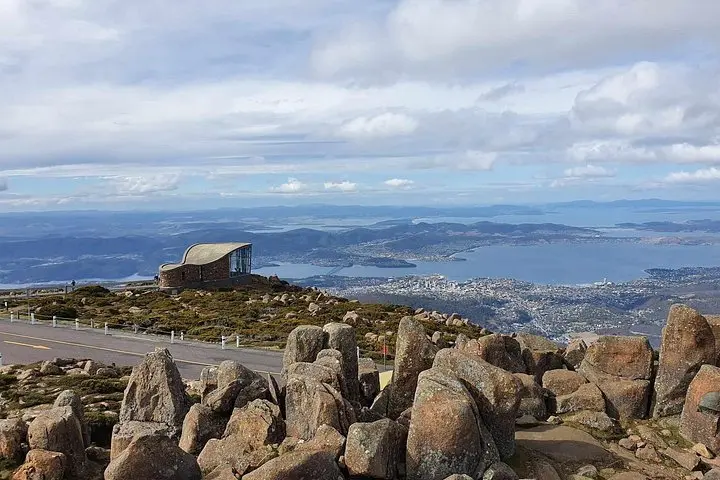
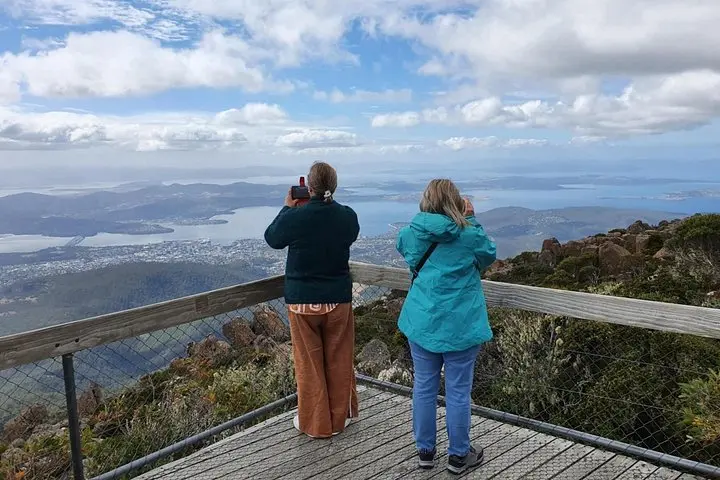
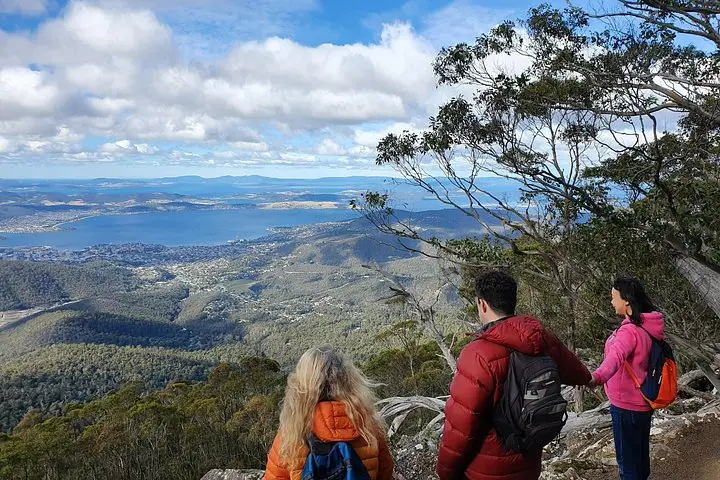
Expect a guided 90-minute stroll that focuses on botany and rock features, then a short drive to the summit for a 35-minute walk to the trig and viewpoints. The summit panorama takes in Hobart, the River Derwent and the ragged ridges of the Tasmanian Wilderness World Heritage Area; wind here will test your layers and camera strap alike.
Practical guidance: wear sturdy shoes with good traction for boulder fields, layer windproof outerwear, and carry water and a camera. Mornings are best for clearer air and calmer winds; the guide’s local knowledge turns geological facts and pioneer stories into an accessible narrative. This trip suits walkers who want big views with moderate effort and a strong dose of natural history.
The Organ Pipes section is an easy-graded 90-minute walk with some rocky ground; combined with summit stops, the full outing is moderately paced and suitable for most fit visitors.
Yes — air-conditioned vehicle transport from central Hobart is included in the tour price and is part of the 4-hour schedule.
Children who can handle a 90-minute walk over uneven ground and short scrambles are generally fine; check with the operator for age recommendations and seat availability in the vehicle.
Weather is changeable — it can be several degrees colder with stronger winds than Hobart; cloud and fog can appear quickly, so dress in layers and be prepared for reduced visibility.
Island of Tasmania Tours operates guided outdoor trips and adventures with an emphasis on safety, stewardship, and memorable experiences.
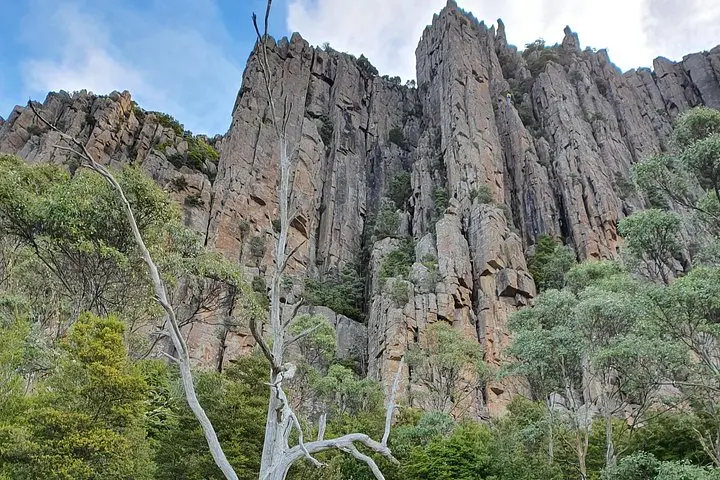
You begin the morning leaving Hobart as dawn softens the river and the city slips back toward the sea; within 25 minutes the road climbs through fern gullies and tall eucalypts until the chalet appears a thousand metres above the city. The Organ Pipes Track opens out into a short, easy-graded walk where snow gums lean into wind and dolerite cliffs loom like folded stone.
You begin the morning leaving Hobart as dawn softens the river and the city slips back toward the sea; within 25 minutes the road climbs through fern gullies and tall eucalypts until the chalet appears a thousand metres above the city. The Organ Pipes Track opens out into a short, easy-graded walk where snow gums lean into wind and dolerite cliffs loom like folded stone.
Geology here is blunt and old: columnar dolerite carved during Tasmania’s glacial past, with pockets of subalpine soils that host unusual alpine plants. The area is culturally important too — kunanyi (Mount Wellington) is part of the landscape Tasmanian Aboriginal people have known for millennia, and later European hikers left their own stories, which local guides often recall with detail.
Expect a guided 90-minute stroll that focuses on botany and rock features, then a short drive to the summit for a 35-minute walk to the trig and viewpoints. The summit panorama takes in Hobart, the River Derwent and the ragged ridges of the Tasmanian Wilderness World Heritage Area; wind here will test your layers and camera strap alike.
Practical guidance: wear sturdy shoes with good traction for boulder fields, layer windproof outerwear, and carry water and a camera. Mornings are best for clearer air and calmer winds; the guide’s local knowledge turns geological facts and pioneer stories into an accessible narrative. This trip suits walkers who want big views with moderate effort and a strong dose of natural history.