THE ADVENTURE COLLECTIVE® · Independent discovery and booking for outdoor travel

Board from Kaanapali Beach for a brisk two-hour morning cruise in peak whale season. Enjoy a continental breakfast, guided naturalist commentary, and live hydrophone listening as humpbacks surface and sing offshore.
Board from Kaanapali Beach for a brisk two-hour morning cruise in peak whale season. Enjoy a continental breakfast, guided naturalist commentary, and live hydrophone listening as humpbacks surface and sing offshore.
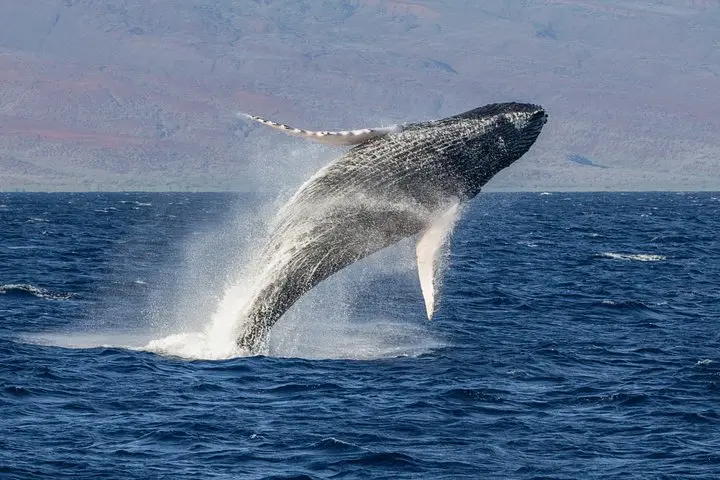
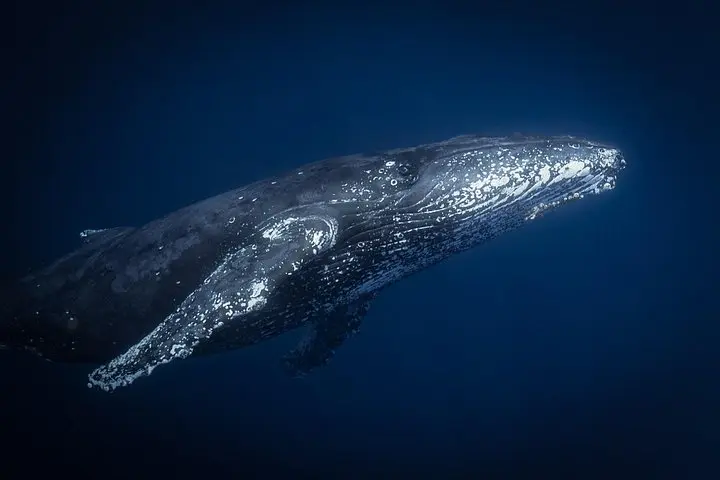
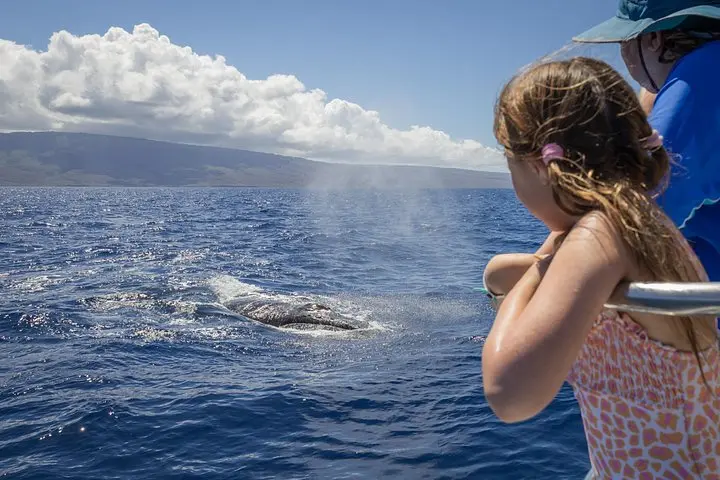
The boat slips into morning light off Kaanapali Beach and the Pacific opens, cool and persuasive. You step from sand onto a gangway, coffee in hand, as the captain eases Gemini through glassy water. The first exhale of a humpback breaks the horizon—spray and a gentle roll—and the hydrophone brings an underwater chorus that seems to push the boat forward.
Verified experiences and guided adventures in the surrounding area.
Operated by Gemini Sailing Charters · Kaanapali, Hawaii
The boat slips into morning light off Kaanapali Beach and the Pacific opens, cool and persuasive. You step from sand onto a gangway, coffee in hand, as the captain eases Gemini through glassy water. The first exhale of a humpback breaks the horizon—spray and a gentle roll—and the hydrophone brings an underwater chorus that seems to push the boat forward.
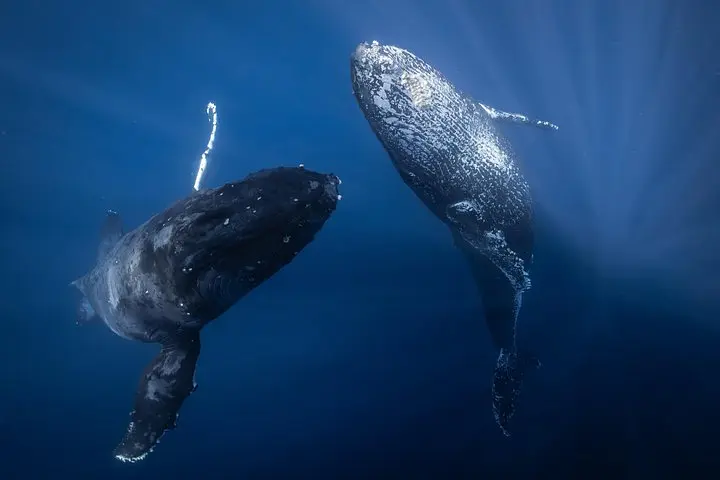
Maui’s humpbacks travel from Alaska each winter to breed and calve in Hawaiian waters; their presence reshaped local coastal culture long before tourism arrived. The volcanic shore here is young—black lava flows meet coral-built reefs—so the sea often feels like the island’s loudest storyteller. Marine naturalists on board translate whale behavior, point out dorsal ridges, and explain how humane viewing rules grew from mid-20th-century conservation efforts.
Expect 2 hours of open-ocean viewing between December 15 and April 15, with two daily departures. Beach loading at Kaanapali gives the outing a grounded start: parking at Whalers Village and a short walk to the Westin lawn. Breakfast—homemade cinnamon rolls, tropical fruit, and Maui coffee—keeps the chill off while binoculars hunt blows.
Practical notes: arrive 30 minutes early for check-in and validated parking; bring layered clothing for ocean spray and a wind layer for cooler mornings. If you’re prone to seasickness, take preventative measures ahead of time. Cameras with zoom lenses will capture breaches from a respectful distance, but the hydrophone listening is a unique highlight—bring quiet and attention.
This trip balances comfort with close, ethical wildlife viewing: a short, accessible sea expedition that rewards patience and curiosity.
Peak season runs December 15 to April 15, when North Pacific humpbacks migrate to Hawaiian waters to breed and calve.
Yes; infants are counted as passengers per Coast Guard regulations and can sit with you, but consider safety and comfort on the boat.
Yes—this tour uses a hydrophone so naturalists can broadcast whale vocalizations and interpret behavior in real time.
Tours cancel in unsafe weather; you can get a full refund if you cancel at least 24 hours in advance, and operators typically inform guests if the outing is called off due to conditions.
Gemini Sailing Charters operates guided outdoor trips and adventures with an emphasis on safety, stewardship, and memorable experiences.
The boat slips into morning light off Kaanapali Beach and the Pacific opens, cool and persuasive. You step from sand onto a gangway, coffee in hand, as the captain eases Gemini through glassy water. The first exhale of a humpback breaks the horizon—spray and a gentle roll—and the hydrophone brings an underwater chorus that seems to push the boat forward.
The boat slips into morning light off Kaanapali Beach and the Pacific opens, cool and persuasive. You step from sand onto a gangway, coffee in hand, as the captain eases Gemini through glassy water. The first exhale of a humpback breaks the horizon—spray and a gentle roll—and the hydrophone brings an underwater chorus that seems to push the boat forward.
Maui’s humpbacks travel from Alaska each winter to breed and calve in Hawaiian waters; their presence reshaped local coastal culture long before tourism arrived. The volcanic shore here is young—black lava flows meet coral-built reefs—so the sea often feels like the island’s loudest storyteller. Marine naturalists on board translate whale behavior, point out dorsal ridges, and explain how humane viewing rules grew from mid-20th-century conservation efforts.
Expect 2 hours of open-ocean viewing between December 15 and April 15, with two daily departures. Beach loading at Kaanapali gives the outing a grounded start: parking at Whalers Village and a short walk to the Westin lawn. Breakfast—homemade cinnamon rolls, tropical fruit, and Maui coffee—keeps the chill off while binoculars hunt blows.
Practical notes: arrive 30 minutes early for check-in and validated parking; bring layered clothing for ocean spray and a wind layer for cooler mornings. If you’re prone to seasickness, take preventative measures ahead of time. Cameras with zoom lenses will capture breaches from a respectful distance, but the hydrophone listening is a unique highlight—bring quiet and attention.
This trip balances comfort with close, ethical wildlife viewing: a short, accessible sea expedition that rewards patience and curiosity.