THE ADVENTURE COLLECTIVE® · Independent discovery and booking for outdoor travel

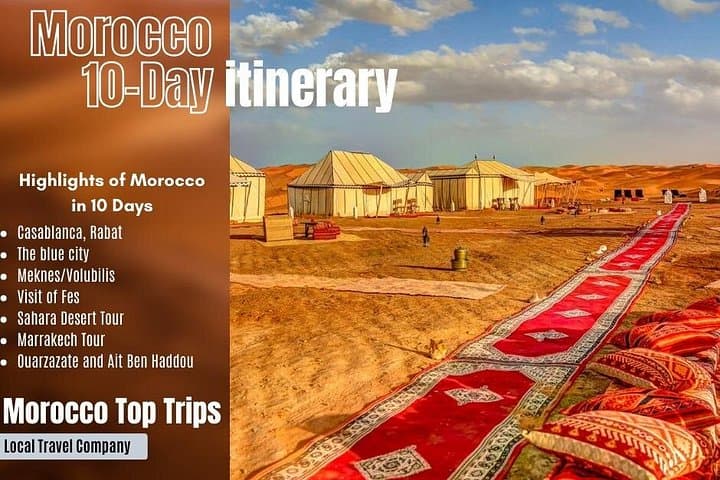
A 10-day private loop through Morocco’s imperial cities, Atlas passes and the Sahara—blend medina walks, Roman ruins, and a night under the Erg Chebbi stars. Practical, transportable, and paced for discovery.
A 10-day private loop through Morocco’s imperial cities, Atlas passes and the Sahara—blend medina walks, Roman ruins, and a night under the Erg Chebbi stars. Practical, transportable, and paced for discovery.
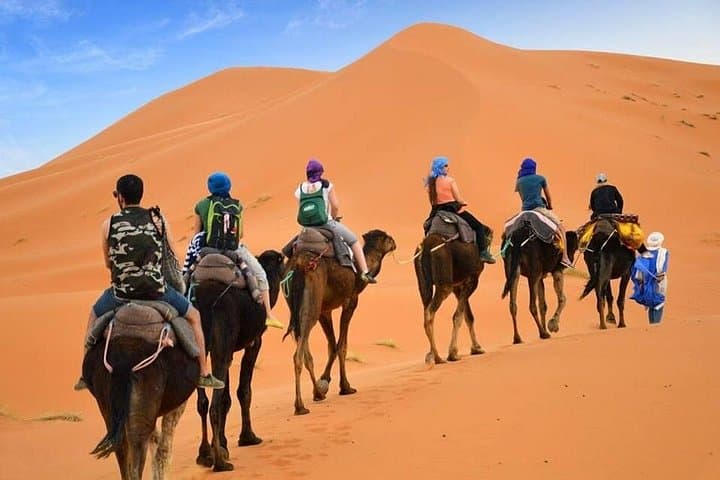
You arrive under a wide North African sky: an airport driver meets you, luggage slides into a private vehicle, and the road unfurls toward medinas and mountains. Streets hum with scooters and merchants, the scent of spices lingers, and by evening the Sahara will push its dunes like a slow, patient tide.
Verified experiences and guided adventures in the surrounding area.
Operated by Morocco Top Trips · Marrakech, Marrakech-Safi
You arrive under a wide North African sky: an airport driver meets you, luggage slides into a private vehicle, and the road unfurls toward medinas and mountains. Streets hum with scooters and merchants, the scent of spices lingers, and by evening the Sahara will push its dunes like a slow, patient tide.
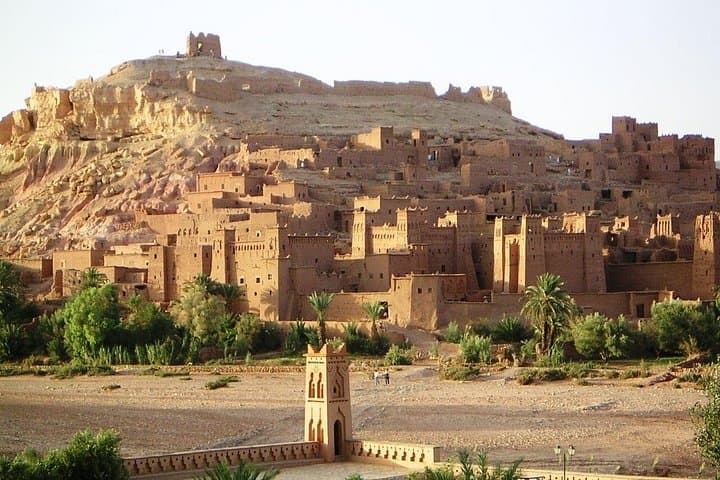
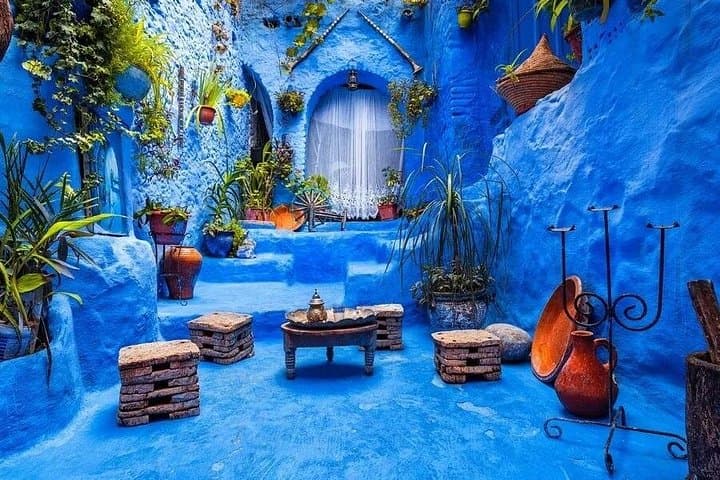
This 10-day loop threads Morocco’s imperial cities—Casablanca, Rabat, Fes, Marrakech—together with Chefchaouen’s indigo lanes, the Roman mosaics at Volubilis (2nd–3rd centuries CE), and the ochre kasbahs of Ait Ben Haddou. Geology reads like a travelogue: cedar forests and snow-fed valleys around Ifrane give way to the Ziz River’s palm-lined gorges, then the High Atlas climbs to Tizi n-Tichka at 2,260 m before descending into desert basins and the Erg Chebbi dunes (dunes often reach ~150 m).
Cultural moments are woven in—tea ceremonies, Gnawa drumming in Khamlia, and bargaining in souks where language and rhythm matter. Nights alternate between riads in medinas and a desert camp, where the stars feel close enough to touch and the wind composes a nightly percussion.
Practical guidance: expect several long drives (some legs 4–7 hours), bring layered clothing for chilly mountain passes and warm desert days, and schedule dawn or dusk for dune walks to avoid peak heat. Comfortable walking shoes suit uneven medina alleys and gorge trails; carry cash for souks and small tips. Respect local dress norms in religious sites and keep reusable water on hand—the landscape is generous but dry, and preparation makes the journey both smoother and more vivid.
Yes—it's a guided private tour with transfers and many included meals; it balances cultural highlights with manageable walking and extended drives for broad exposure.
Desert camps range from comfortable tents with beds and showers (luxury options) to more basic accommodations; expect shared dining, evening music, and clear night skies.
Major airports and many vehicles are accessible, and the operator lists wheelchair-accessible transport and surfaces, but some medina streets and remote sites are not fully accessible—check specifics before booking.
Bring small bills for market purchases and tips; major cards work in cities but carry local currency (dirhams) for rural stops—roughly €150–€300 per person in cash for incidentals is a reasonable range.
Morocco Top Trips operates guided outdoor trips and adventures with an emphasis on safety, stewardship, and memorable experiences.
You arrive under a wide North African sky: an airport driver meets you, luggage slides into a private vehicle, and the road unfurls toward medinas and mountains. Streets hum with scooters and merchants, the scent of spices lingers, and by evening the Sahara will push its dunes like a slow, patient tide.
You arrive under a wide North African sky: an airport driver meets you, luggage slides into a private vehicle, and the road unfurls toward medinas and mountains. Streets hum with scooters and merchants, the scent of spices lingers, and by evening the Sahara will push its dunes like a slow, patient tide.
This 10-day loop threads Morocco’s imperial cities—Casablanca, Rabat, Fes, Marrakech—together with Chefchaouen’s indigo lanes, the Roman mosaics at Volubilis (2nd–3rd centuries CE), and the ochre kasbahs of Ait Ben Haddou. Geology reads like a travelogue: cedar forests and snow-fed valleys around Ifrane give way to the Ziz River’s palm-lined gorges, then the High Atlas climbs to Tizi n-Tichka at 2,260 m before descending into desert basins and the Erg Chebbi dunes (dunes often reach ~150 m).
Cultural moments are woven in—tea ceremonies, Gnawa drumming in Khamlia, and bargaining in souks where language and rhythm matter. Nights alternate between riads in medinas and a desert camp, where the stars feel close enough to touch and the wind composes a nightly percussion.
Practical guidance: expect several long drives (some legs 4–7 hours), bring layered clothing for chilly mountain passes and warm desert days, and schedule dawn or dusk for dune walks to avoid peak heat. Comfortable walking shoes suit uneven medina alleys and gorge trails; carry cash for souks and small tips. Respect local dress norms in religious sites and keep reusable water on hand—the landscape is generous but dry, and preparation makes the journey both smoother and more vivid.