THE ADVENTURE COLLECTIVE® · Independent discovery and booking for outdoor travel

Spend six days on Arab-Berber horses from Zagora, crossing the Draa palm groves to the rocky Jebel Bani and dune fields. This multi-day horseback route mixes riding, local culture, and desert geology with tented camp nights.
Spend six days on Arab-Berber horses from Zagora, crossing the Draa palm groves to the rocky Jebel Bani and dune fields. This multi-day horseback route mixes riding, local culture, and desert geology with tented camp nights.
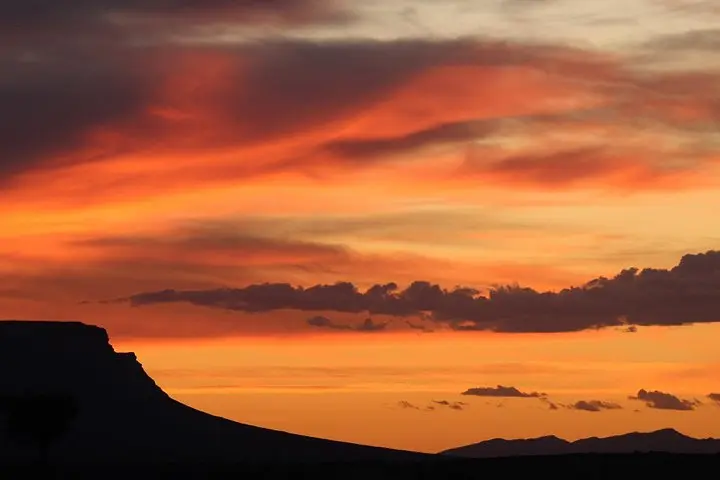
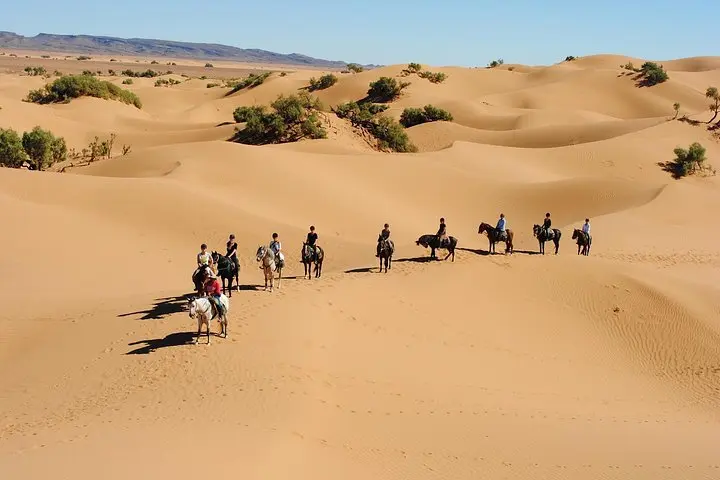
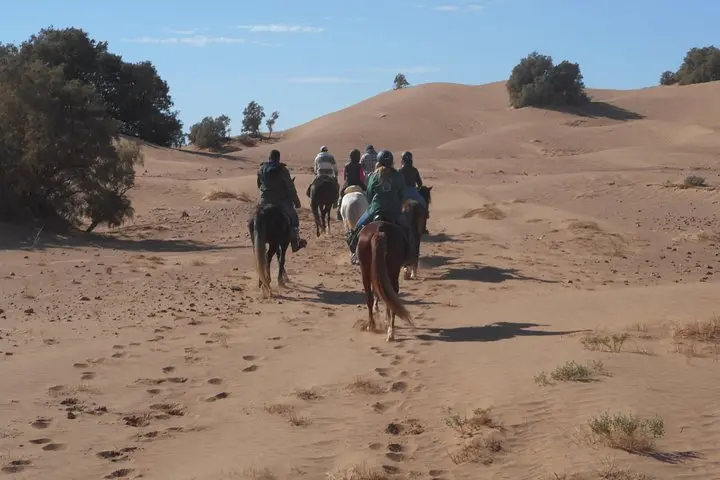
The morning wind lifts grit across the Draa palm groves as saddles creak and Arab-Berber horses step away from Zagora’s quiet runway. You feel the rhythm of the desert through your knees — a slow, steady conversation with terrain that shifts from irrigated date orchards to wide reg and rolling erg. Campfires punctuate each night; stars push hard against the dark.
Verified experiences and guided adventures in the surrounding area.
Operated by Ranch De Diabat S.A.R.L · Zagora, Drâa-Tafilalet
The morning wind lifts grit across the Draa palm groves as saddles creak and Arab-Berber horses step away from Zagora’s quiet runway. You feel the rhythm of the desert through your knees — a slow, steady conversation with terrain that shifts from irrigated date orchards to wide reg and rolling erg. Campfires punctuate each night; stars push hard against the dark.
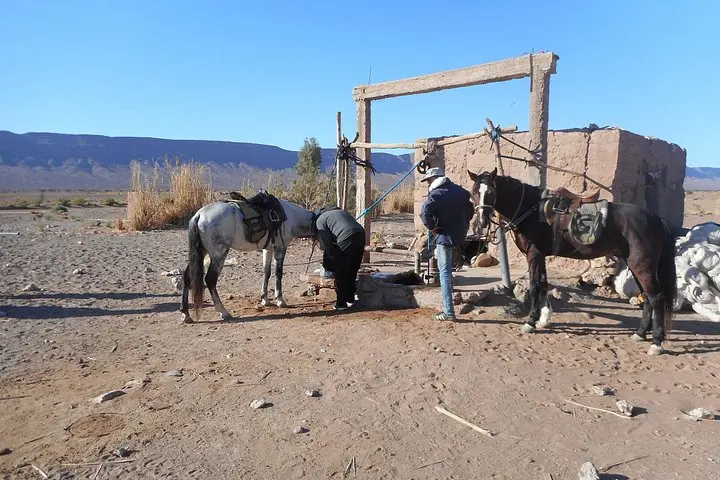
This route threads local history and geology: the Draa Valley’s fortified ksars and irrigation channels mark centuries of oasis agriculture while Jebel Bani’s folded, rocky ridges record tectonic pressure and erosion. Tuareg and Berber influences are visible in camp life, music and the practical seamanship of desert travel — a culture shaped by scarcity and hospitality. On horseback the landscape reads differently; dunes soften edges, rocky hamadas give way to canyon-like approaches on the mountain slopes.
Expect six days of riding (shorter daily stages, baggage moved by vehicle), mornings and afternoons in the saddle with midday breaks. Horses provided are local Arab-Berber stock; guides set pace for mixed experience groups. Bring sun protection, layers for cold nights, and a hydration plan — the desert will demand both. Pack light, secure passports for transfers, and be ready for uneven footing when crossing reg or erg.
Practical rhythm matters: rise early, ride before the heat, nap at noon, and use evening light for walks around camp. Respect local custom — modest dress and asking before photographing people — and leave no trace: campsites are fragile. The desert keeps its quiet, and on horseback you move through it at a respectful pace.
No advanced experience required, but basic riding comfort and balance is helpful; guides adjust pace for mixed groups.
Meals (breakfast, lunch, dinner), Arab-Berber horses, guide, accommodation in Berber tents and transfers to/from Zagora airport are included as listed.
Daily stages are moderate — several hours on horseback with breaks; the trip is rated suitable for most fitness levels but not for those with spinal or serious cardiovascular conditions.
Hot, dry days and cool to cold nights; sunscreen and layers are essential, and seasonal winds can increase dust.
Ranch De Diabat S.A.R.L operates guided outdoor trips and adventures with an emphasis on safety, stewardship, and memorable experiences.
The morning wind lifts grit across the Draa palm groves as saddles creak and Arab-Berber horses step away from Zagora’s quiet runway. You feel the rhythm of the desert through your knees — a slow, steady conversation with terrain that shifts from irrigated date orchards to wide reg and rolling erg. Campfires punctuate each night; stars push hard against the dark.
The morning wind lifts grit across the Draa palm groves as saddles creak and Arab-Berber horses step away from Zagora’s quiet runway. You feel the rhythm of the desert through your knees — a slow, steady conversation with terrain that shifts from irrigated date orchards to wide reg and rolling erg. Campfires punctuate each night; stars push hard against the dark.
This route threads local history and geology: the Draa Valley’s fortified ksars and irrigation channels mark centuries of oasis agriculture while Jebel Bani’s folded, rocky ridges record tectonic pressure and erosion. Tuareg and Berber influences are visible in camp life, music and the practical seamanship of desert travel — a culture shaped by scarcity and hospitality. On horseback the landscape reads differently; dunes soften edges, rocky hamadas give way to canyon-like approaches on the mountain slopes.
Expect six days of riding (shorter daily stages, baggage moved by vehicle), mornings and afternoons in the saddle with midday breaks. Horses provided are local Arab-Berber stock; guides set pace for mixed experience groups. Bring sun protection, layers for cold nights, and a hydration plan — the desert will demand both. Pack light, secure passports for transfers, and be ready for uneven footing when crossing reg or erg.
Practical rhythm matters: rise early, ride before the heat, nap at noon, and use evening light for walks around camp. Respect local custom — modest dress and asking before photographing people — and leave no trace: campsites are fragile. The desert keeps its quiet, and on horseback you move through it at a respectful pace.