THE ADVENTURE COLLECTIVE® · Independent discovery and booking for outdoor travel

Six days on the Marangu Route takes trekkers from rainforest to the roof of Africa via hut stays and steady altitude gains. This guide explains what to expect — terrain, culture, and practical tips to reach Uhuru Peak.
Six days on the Marangu Route takes trekkers from rainforest to the roof of Africa via hut stays and steady altitude gains. This guide explains what to expect — terrain, culture, and practical tips to reach Uhuru Peak.
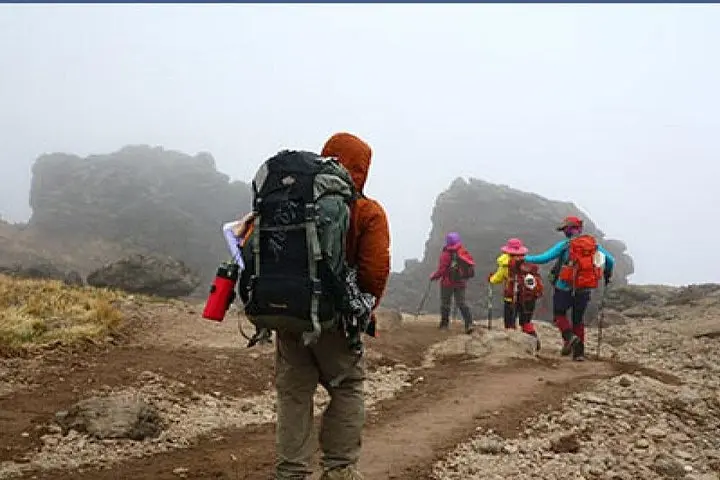
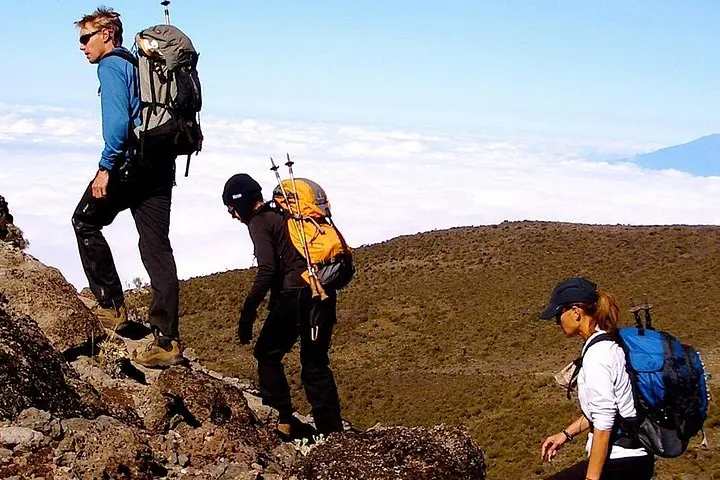
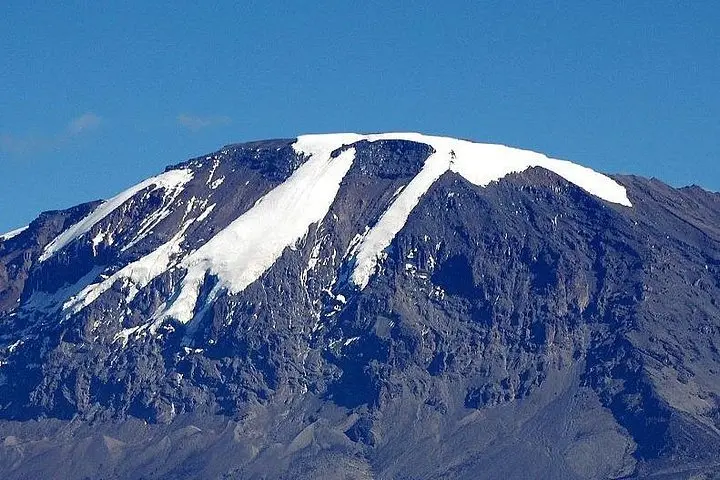
Fog lifts off the forest and the trail narrows, roots and volcanic scree alternating beneath each step. Climbers on the Marangu Route move in a steady rhythm—boots crunching, guides calling cadence—while the mountain looms above, its glaciers watching like a distant clock.
Verified experiences and guided adventures in the surrounding area.
Operated by Orkiu_adventure · Moshi, Kilimanjaro Region
Fog lifts off the forest and the trail narrows, roots and volcanic scree alternating beneath each step. Climbers on the Marangu Route move in a steady rhythm—boots crunching, guides calling cadence—while the mountain looms above, its glaciers watching like a distant clock.
Marangu is the oldest officially mapped path on Kilimanjaro and the only true hut-to-hut route, historically favored by early explorers seeking a less technical line to the summit. Geologically, the route crosses ancient volcanic layers, from montane rainforest through heath and moorland into alpine deserts and the jagged, erosion-sculpted summit cone. Culturally, the Marangu villages on Kilimanjaro’s lower slopes belong to the Chagga people, whose farm terraces and coffee plots frame pre-trek logistics and offer a glimpse of local life.
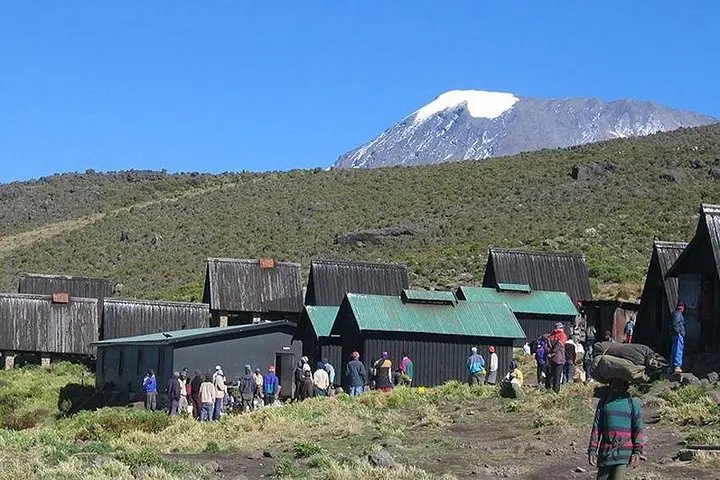
On a six-day itinerary, expect long but manageable days, increasing altitude that demands respect, and nights spent in basic mountain huts. The mountain presses on the lungs at higher camps; guides manage pacing and acclimatization to help you reach Uhuru Peak. Practical prep centers on layered insulation for cold summit nights, sturdy waterproof boots for muddy rainforest sections, and a hydration system to beat thin-air headache.
Plan for early summit starts (often around midnight), bring snacks that carry energy and salt, and budget time for contingency—weather and altitude can slow progress. Choose a certified operator, confirm hut reservations and park fees, and be ready to hand real effort to the mountain: Kilimanjaro rewards persistence more than technical skill.
Physically it’s challenging due to altitude and sustained days of trekking; the route is non-technical but demands good fitness and gradual pacing for acclimatization.
Marangu is known as the hut route—most nights are in communal mountain huts rather than tents, which reduces pack weight but provides basic facilities.
The drier months (June–October and late December–February) offer the most reliable weather and clearer summit windows, while March–May brings heavy rains.
Yes—climbs require Kilimanjaro National Park permits and certified guides; operators handle logistics, porters, and park fees.
Orkiu_adventure operates guided outdoor trips and adventures with an emphasis on safety, stewardship, and memorable experiences.
Fog lifts off the forest and the trail narrows, roots and volcanic scree alternating beneath each step. Climbers on the Marangu Route move in a steady rhythm—boots crunching, guides calling cadence—while the mountain looms above, its glaciers watching like a distant clock.
Fog lifts off the forest and the trail narrows, roots and volcanic scree alternating beneath each step. Climbers on the Marangu Route move in a steady rhythm—boots crunching, guides calling cadence—while the mountain looms above, its glaciers watching like a distant clock.
Marangu is the oldest officially mapped path on Kilimanjaro and the only true hut-to-hut route, historically favored by early explorers seeking a less technical line to the summit. Geologically, the route crosses ancient volcanic layers, from montane rainforest through heath and moorland into alpine deserts and the jagged, erosion-sculpted summit cone. Culturally, the Marangu villages on Kilimanjaro’s lower slopes belong to the Chagga people, whose farm terraces and coffee plots frame pre-trek logistics and offer a glimpse of local life.
On a six-day itinerary, expect long but manageable days, increasing altitude that demands respect, and nights spent in basic mountain huts. The mountain presses on the lungs at higher camps; guides manage pacing and acclimatization to help you reach Uhuru Peak. Practical prep centers on layered insulation for cold summit nights, sturdy waterproof boots for muddy rainforest sections, and a hydration system to beat thin-air headache.
Plan for early summit starts (often around midnight), bring snacks that carry energy and salt, and budget time for contingency—weather and altitude can slow progress. Choose a certified operator, confirm hut reservations and park fees, and be ready to hand real effort to the mountain: Kilimanjaro rewards persistence more than technical skill.