THE ADVENTURE COLLECTIVE® · Independent discovery and booking for outdoor travel

A hut-based, non-technical six-day climb up Kilimanjaro’s Marangu route that moves from rainforest to the arctic crater rim. Ideal for trekkers who prefer fixed overnight huts and a direct ascent to Uhuru Peak (5,895 m).
A hut-based, non-technical six-day climb up Kilimanjaro’s Marangu route that moves from rainforest to the arctic crater rim. Ideal for trekkers who prefer fixed overnight huts and a direct ascent to Uhuru Peak (5,895 m).
The trail opens in a damp forest where moss clings to trunks and colobus monkeys slip through the canopy, and it doesn’t stop changing. On this six-day Marangu route you move from shadowed rainforest at ~1,860 m up through heather and moorland to the barren saddle, then into alpine desert and the arctic scree that guards Uhuru Peak (5,895 m).
Verified experiences and guided adventures in the surrounding area.
Operated by Shah Tours Travel Ltd. · Moshi, Kilimanjaro Region
The trail opens in a damp forest where moss clings to trunks and colobus monkeys slip through the canopy, and it doesn’t stop changing. On this six-day Marangu route you move from shadowed rainforest at ~1,860 m up through heather and moorland to the barren saddle, then into alpine desert and the arctic scree that guards Uhuru Peak (5,895 m).
Kilimanjaro is a dormant stratovolcano made of three cones — Kibo, Mawenzi and Shira — and the Marangu path approaches Kibo from the southeast. The route has a long history as the island’s earliest tourist corridor; huts were built here in the colonial era and today provide the only permanent hut-based overnight stops on the mountain. The Chagga people have long managed agriculture around the lower slopes and many of the guides and porters come from Moshi and nearby Marangu village.
Expect roughly 60–70 km round-trip with ~4,000 m of elevation gain between gate and summit. Terrain shifts from packed, rooty rainforest trails to loose volcanic scree; nights are spent in shared stone huts at Mandara, Horombo and Kibo. Weather is variable — warm and humid low down, sub-zero with high winds near the crater.
Practical guidance: acclimatize slowly, carry layers for rapid temperature swings, and use trekking poles to save energy on scree. Drink frequently, eat calorically dense meals the guides provide, and trust the established pacing on summit night (midnight starts). If you have cardiovascular or respiratory issues, discuss risks with a physician and your operator before booking.
No — the route is non-technical and does not require climbing equipment; it is a strenuous hike, especially due to altitude.
This itinerary is 6 days with overnight stays at Mandara Hut, Horombo Hut and Kibo Hut (shared dormitory-style huts).
You should have high cardiovascular fitness, experience with multi-day hikes, and the ability to walk 6–10 hours a day at a steady pace.
Summit success depends on acclimatization, fitness and weather; this 6-day schedule improves odds but does not guarantee summit due to altitude-related factors.
Shah Tours Travel Ltd. operates guided outdoor trips and adventures with an emphasis on safety, stewardship, and memorable experiences.
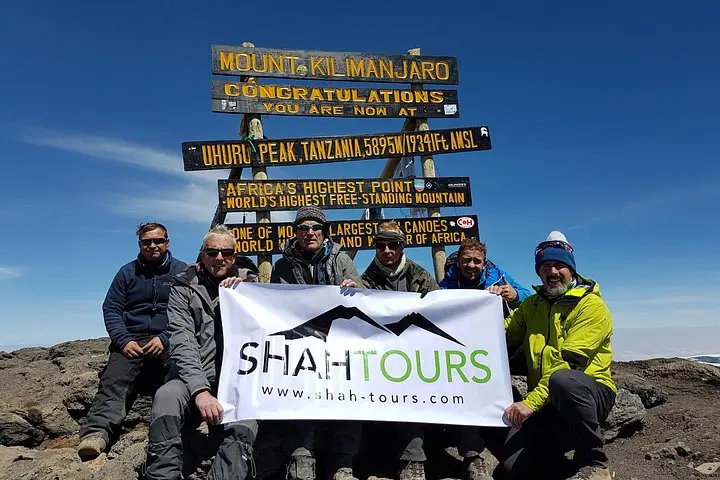
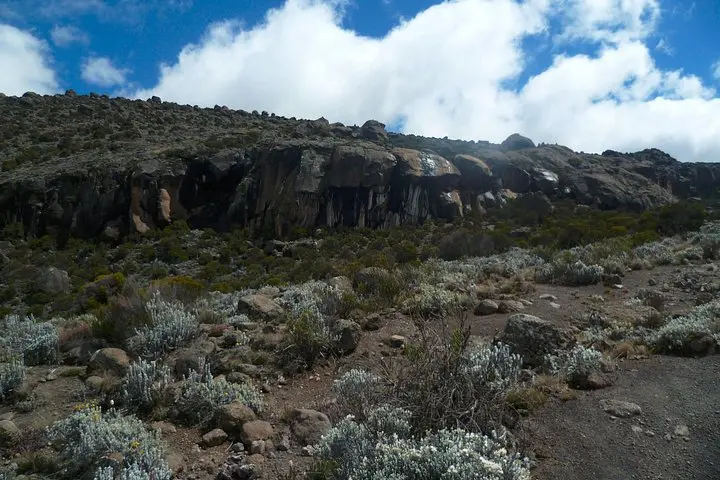
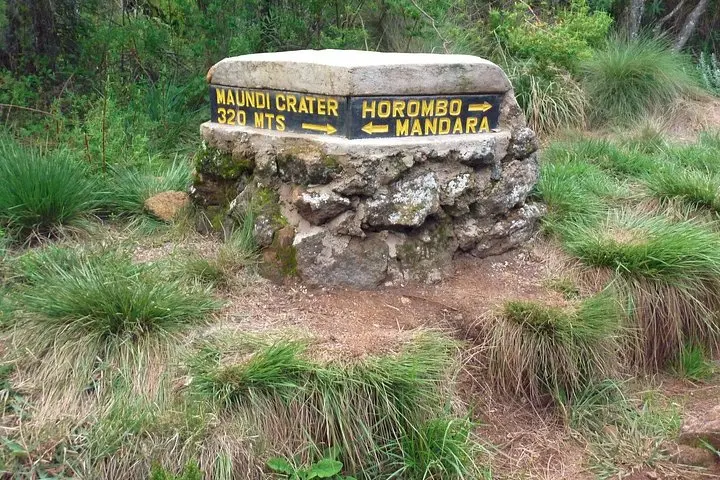
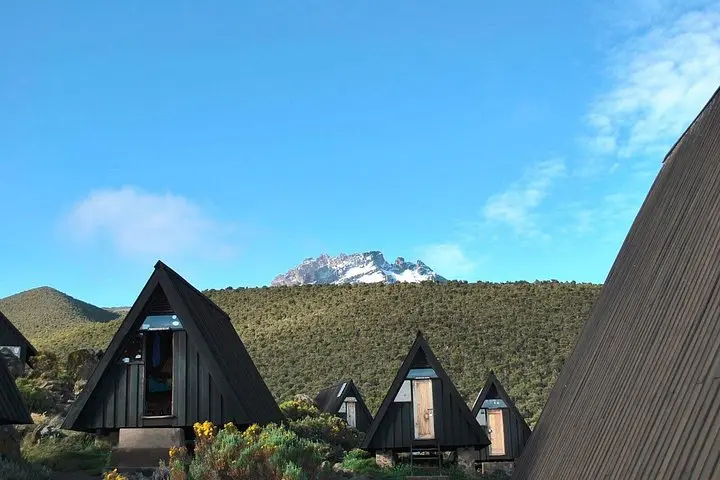
The trail opens in a damp forest where moss clings to trunks and colobus monkeys slip through the canopy, and it doesn’t stop changing. On this six-day Marangu route you move from shadowed rainforest at ~1,860 m up through heather and moorland to the barren saddle, then into alpine desert and the arctic scree that guards Uhuru Peak (5,895 m).
The trail opens in a damp forest where moss clings to trunks and colobus monkeys slip through the canopy, and it doesn’t stop changing. On this six-day Marangu route you move from shadowed rainforest at ~1,860 m up through heather and moorland to the barren saddle, then into alpine desert and the arctic scree that guards Uhuru Peak (5,895 m).
Kilimanjaro is a dormant stratovolcano made of three cones — Kibo, Mawenzi and Shira — and the Marangu path approaches Kibo from the southeast. The route has a long history as the island’s earliest tourist corridor; huts were built here in the colonial era and today provide the only permanent hut-based overnight stops on the mountain. The Chagga people have long managed agriculture around the lower slopes and many of the guides and porters come from Moshi and nearby Marangu village.
Expect roughly 60–70 km round-trip with ~4,000 m of elevation gain between gate and summit. Terrain shifts from packed, rooty rainforest trails to loose volcanic scree; nights are spent in shared stone huts at Mandara, Horombo and Kibo. Weather is variable — warm and humid low down, sub-zero with high winds near the crater.
Practical guidance: acclimatize slowly, carry layers for rapid temperature swings, and use trekking poles to save energy on scree. Drink frequently, eat calorically dense meals the guides provide, and trust the established pacing on summit night (midnight starts). If you have cardiovascular or respiratory issues, discuss risks with a physician and your operator before booking.