THE ADVENTURE COLLECTIVE® · Independent discovery and booking for outdoor travel

A seven-day Machame ascent moves from green rainforest to glaciated summit in staged ecosystems built for acclimatization. This route balances scenic variety with a practical itinerary that raises summit odds for determined trekkers.
A seven-day Machame ascent moves from green rainforest to glaciated summit in staged ecosystems built for acclimatization. This route balances scenic variety with a practical itinerary that raises summit odds for determined trekkers.
The first light on day one in Moshi slices through coffee trees and banana leaves as a minibus threads toward the Machame gate. By the time the trail slips into the rainforest, damp earth smells sharp and green, and the guide’s pace sets a comfortable rhythm—steady, deliberate, designed to stretch lungs and patience for what comes higher up.
Verified experiences and guided adventures in the surrounding area.
Operated by ALMIGHTY KILIMANJARO · Moshi, Kilimanjaro Region
The first light on day one in Moshi slices through coffee trees and banana leaves as a minibus threads toward the Machame gate. By the time the trail slips into the rainforest, damp earth smells sharp and green, and the guide’s pace sets a comfortable rhythm—steady, deliberate, designed to stretch lungs and patience for what comes higher up.
Across seven days the Machame Route moves like a story told in changing ecosystems: rainforest that dares you to keep footing, a moorland plateau that opens like a silent, windswept plain, the blasted semi-desert around Lava Tower, the granite drama of the Barranco Wall, then the thin, cold world above Barafu where the summit night begins. Each shift is practical as well as scenic—it's built to help climbers acclimatize, which is why the Machame is known for its higher summit rate.
Geologically Kilimanjaro is a stratovolcano with three cones; the route skirts the southern glaciers before joining Barafu for the final push to Uhuru Peak at 5,895 m. Culturally you pass through land of the Chagga people—small farms, stone walls and villages where porters and guides share stories of the mountain’s place in local life. The park itself is a protected area, and permits and fees fund conservation and community programs.
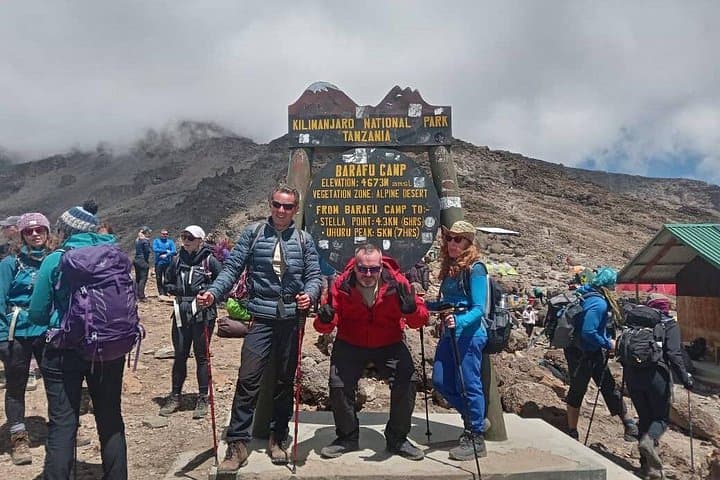
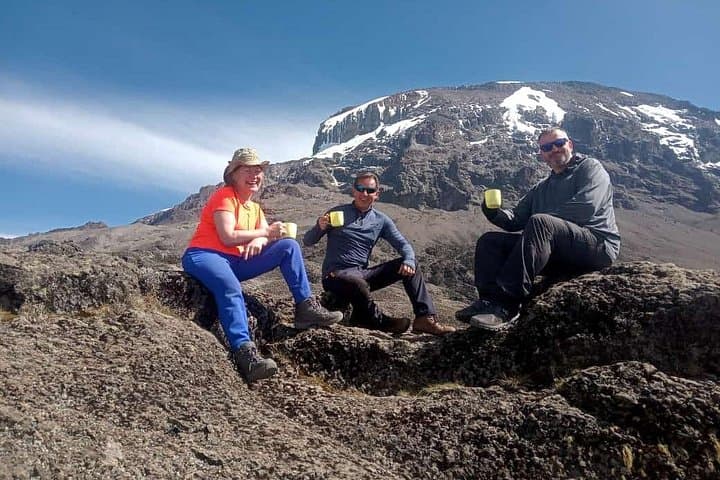
Practical edge: the summit come dawn is earned between midnight and 6 a.m., when a headlamp stream and a brutal combination of altitude, scree and cold test resolve. The key to success isn't speed—it's slow, steady trekking, good sleep at camp, and hydration. Expect muddy shoes low down, wind and sun on the Shira Plateau, and snow above Stella Point. Porters handle tents and food; climbers should bring layered clothing, a warm sleeping bag rated to -10°C or lower, poles, gaiters, and experience with multi-day trekking.
Food is simple but warming—seven lunches, six dinners and breakfasts are included—while the crew’s efficiency on the Barranco Wall can be an instructive lesson in teamwork: ropes, pulleys and nimble footwork make the wall an adventure highlight.
On descent the rainforest reclaims you—wet, bright and forgiving—and Moshi’s hotels feel indulgent after a week on the mountain. Whether the goal is Uhuru Peak or testing limits, the Machame route offers a balanced climb: scenic, technically manageable, and structured for acclimatization. Plan for altitude, respect the guides, and leave the mountain as you found it.
Moderate to high fitness is needed—regular aerobic training and long hikes with a loaded pack before arrival improve success odds.
This operator includes entry fees and permits; confirm at booking and carry identification for registration.
No technical climbing gear is required—this is a trekking route; crampons may be useful in heavy snow but are usually unnecessary.
Guides monitor everyone; common response is descent, rest and oxygen if needed—report symptoms early to your guide.
Yes; the trek includes guide and porter services in the itinerary—confirm group sizes and tipping policies when booking.
Dry months (January–March and June–October) are preferred for clearer conditions and higher summit success rates.
ALMIGHTY KILIMANJARO operates guided outdoor trips and adventures with an emphasis on safety, stewardship, and memorable experiences.
The first light on day one in Moshi slices through coffee trees and banana leaves as a minibus threads toward the Machame gate. By the time the trail slips into the rainforest, damp earth smells sharp and green, and the guide’s pace sets a comfortable rhythm—steady, deliberate, designed to stretch lungs and patience for what comes higher up.
The first light on day one in Moshi slices through coffee trees and banana leaves as a minibus threads toward the Machame gate. By the time the trail slips into the rainforest, damp earth smells sharp and green, and the guide’s pace sets a comfortable rhythm—steady, deliberate, designed to stretch lungs and patience for what comes higher up.
Across seven days the Machame Route moves like a story told in changing ecosystems: rainforest that dares you to keep footing, a moorland plateau that opens like a silent, windswept plain, the blasted semi-desert around Lava Tower, the granite drama of the Barranco Wall, then the thin, cold world above Barafu where the summit night begins. Each shift is practical as well as scenic—it's built to help climbers acclimatize, which is why the Machame is known for its higher summit rate.
Geologically Kilimanjaro is a stratovolcano with three cones; the route skirts the southern glaciers before joining Barafu for the final push to Uhuru Peak at 5,895 m. Culturally you pass through land of the Chagga people—small farms, stone walls and villages where porters and guides share stories of the mountain’s place in local life. The park itself is a protected area, and permits and fees fund conservation and community programs.
Practical edge: the summit come dawn is earned between midnight and 6 a.m., when a headlamp stream and a brutal combination of altitude, scree and cold test resolve. The key to success isn't speed—it's slow, steady trekking, good sleep at camp, and hydration. Expect muddy shoes low down, wind and sun on the Shira Plateau, and snow above Stella Point. Porters handle tents and food; climbers should bring layered clothing, a warm sleeping bag rated to -10°C or lower, poles, gaiters, and experience with multi-day trekking.
Food is simple but warming—seven lunches, six dinners and breakfasts are included—while the crew’s efficiency on the Barranco Wall can be an instructive lesson in teamwork: ropes, pulleys and nimble footwork make the wall an adventure highlight.
On descent the rainforest reclaims you—wet, bright and forgiving—and Moshi’s hotels feel indulgent after a week on the mountain. Whether the goal is Uhuru Peak or testing limits, the Machame route offers a balanced climb: scenic, technically manageable, and structured for acclimatization. Plan for altitude, respect the guides, and leave the mountain as you found it.