THE ADVENTURE COLLECTIVE® · Independent discovery and booking for outdoor travel

Walk eight kilometers from Marangu gate into the lowland forest of Kilimanjaro and reach Mandara Hut in a day: a wildlife-rich trek from Moshi with colobus and blue monkeys, cultural notes on the Chagga, and practical advice for a safe, rewarding outing.
Walk eight kilometers from Marangu gate into the lowland forest of Kilimanjaro and reach Mandara Hut in a day: a wildlife-rich trek from Moshi with colobus and blue monkeys, cultural notes on the Chagga, and practical advice for a safe, rewarding outing.
The jeep drops you at the park gate while clouds spool off Kilimanjaro’s lower shoulders like a gown being tugged free. You step from the dust into a green roof — a lowland montane forest that smells of wet earth and sap. Birds chatter overhead; a troop of blue monkeys watches from high branches, their limbs folding and unfolding like pages in motion. The path climbs steadily, eight kilometers of damp soil, tree roots that insist you watch your step, and occasional clearings that open to wide views where the mountain’s bulk seems to breathe.
Verified experiences and guided adventures in the surrounding area.
Operated by Sere adventure Safari · Moshi, Kilimanjaro Region
The jeep drops you at the park gate while clouds spool off Kilimanjaro’s lower shoulders like a gown being tugged free. You step from the dust into a green roof — a lowland montane forest that smells of wet earth and sap. Birds chatter overhead; a troop of blue monkeys watches from high branches, their limbs folding and unfolding like pages in motion. The path climbs steadily, eight kilometers of damp soil, tree roots that insist you watch your step, and occasional clearings that open to wide views where the mountain’s bulk seems to breathe.
This route ends at Mandara Hut, a rough stone refuge placed at roughly 2,700 meters where trekkers pause before the higher, starker ridgelines. Geologically, Kilimanjaro is a three-peaked stratovolcano whose basalt and ash layers form terraces and gullies that channel both water and hikers. The lower forest is older soil — a pocket of moisture and biodiversity — and long before tourism it supported the Chagga people, who farmed on the mountain’s fertile slopes and built trails used today.
On this day trip you’ll get concentrated access to that living fringe: colobus and blue monkeys, sunbirds with iridescent throats, and palms and moss that drape the trunks. Guides point out medicinal plants and explain the cultural link between Moshi’s townspeople and the mountain’s water. The walk is both natural history and human history in motion — geology pushing upward while culture shapes usage of the slopes.
Practicalities are direct. The trek covers about 8 km with roughly 800–900 meters (2,600–3,000 ft) of elevation gain from the gate to Mandara Hut, depending on your starting point, and takes most groups 6–8 hours round trip including breaks and lunch. Trails range from packed dirt to exposed roots and occasional uphill rock; rain is a regular factor, especially in the long rains.
Expect wildlife sightings but keep distance; the hut is basic — a place to rest and eat provided lunch — not a full-service lodge. The operator includes private transport, bottled water, and lunch; carry a daypack with layers, waterproofs, snacks, and at least 2 liters of water. Start early to avoid afternoon storms and to catch the light when the forest is most active.
Fitness and a steady, moderate pace matter more than scrambling skills. If you have a reasonable level of fitness and sensible hiking shoes, the route is approachable and richly rewarding: close-up wildlife, shifting forest light, and a tangible sense that you’ve climbed into the mountain’s living skin — where ecology, geology, and local culture meet at walking pace.
It’s moderate: steady uphill walking on uneven terrain for about 8 km round trip; no technical climbing skills required.
The tour description notes included fees and parking; confirm with the operator that Kilimanjaro National Park entrance fees are covered when booking.
Common sightings include blue monkeys, black-and-white colobus monkeys, sunbirds, and a variety of forest birds and butterflies.
This route reaches roughly 2,700 m — mild altitude effects are possible; pace yourself, hydrate, and communicate any symptoms to your guide.
Lunch and bottled water are included; indicate dietary restrictions at booking so the operator can accommodate them.
Pickup from hotels around Moshi is standard; expect pickup about 60 minutes before departure and confirm your exact pickup point when booking.
Sere adventure Safari operates guided outdoor trips and adventures with an emphasis on safety, stewardship, and memorable experiences.
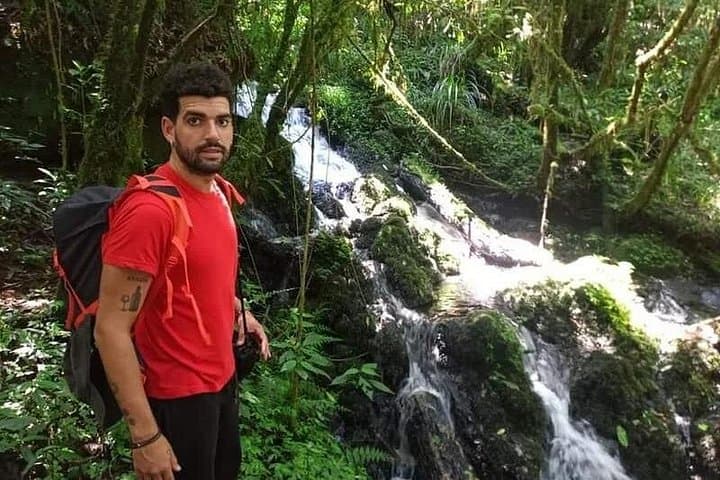
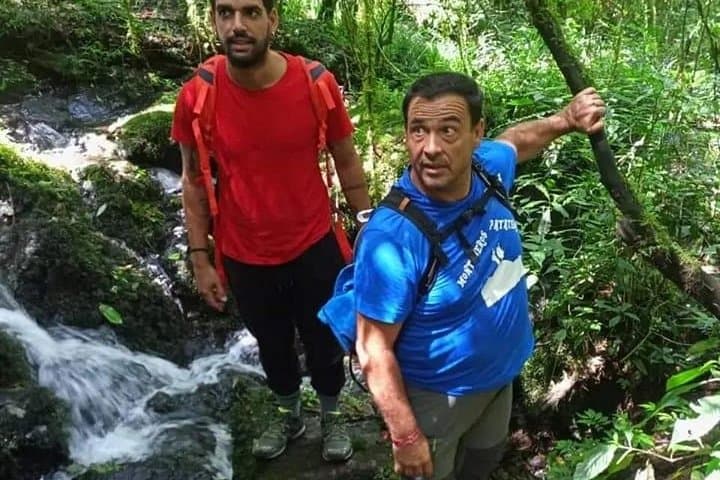
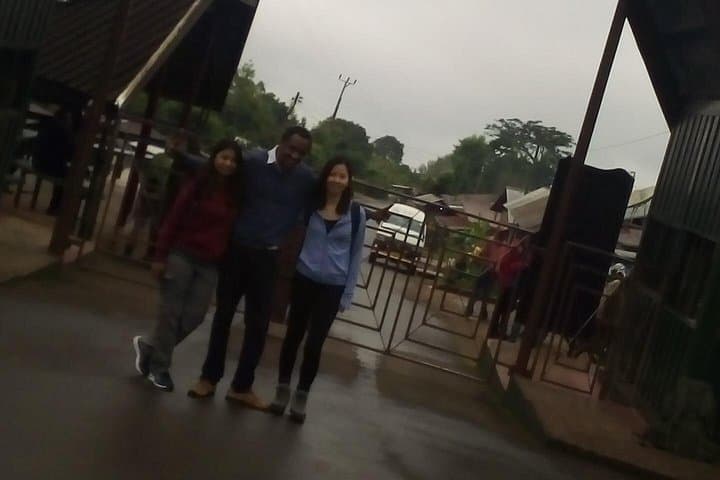
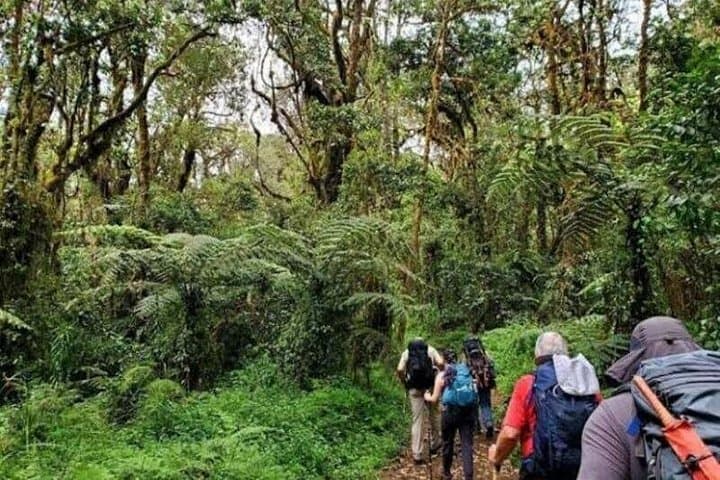
The jeep drops you at the park gate while clouds spool off Kilimanjaro’s lower shoulders like a gown being tugged free. You step from the dust into a green roof — a lowland montane forest that smells of wet earth and sap. Birds chatter overhead; a troop of blue monkeys watches from high branches, their limbs folding and unfolding like pages in motion. The path climbs steadily, eight kilometers of damp soil, tree roots that insist you watch your step, and occasional clearings that open to wide views where the mountain’s bulk seems to breathe.
The jeep drops you at the park gate while clouds spool off Kilimanjaro’s lower shoulders like a gown being tugged free. You step from the dust into a green roof — a lowland montane forest that smells of wet earth and sap. Birds chatter overhead; a troop of blue monkeys watches from high branches, their limbs folding and unfolding like pages in motion. The path climbs steadily, eight kilometers of damp soil, tree roots that insist you watch your step, and occasional clearings that open to wide views where the mountain’s bulk seems to breathe.
This route ends at Mandara Hut, a rough stone refuge placed at roughly 2,700 meters where trekkers pause before the higher, starker ridgelines. Geologically, Kilimanjaro is a three-peaked stratovolcano whose basalt and ash layers form terraces and gullies that channel both water and hikers. The lower forest is older soil — a pocket of moisture and biodiversity — and long before tourism it supported the Chagga people, who farmed on the mountain’s fertile slopes and built trails used today.
On this day trip you’ll get concentrated access to that living fringe: colobus and blue monkeys, sunbirds with iridescent throats, and palms and moss that drape the trunks. Guides point out medicinal plants and explain the cultural link between Moshi’s townspeople and the mountain’s water. The walk is both natural history and human history in motion — geology pushing upward while culture shapes usage of the slopes.
Practicalities are direct. The trek covers about 8 km with roughly 800–900 meters (2,600–3,000 ft) of elevation gain from the gate to Mandara Hut, depending on your starting point, and takes most groups 6–8 hours round trip including breaks and lunch. Trails range from packed dirt to exposed roots and occasional uphill rock; rain is a regular factor, especially in the long rains.
Expect wildlife sightings but keep distance; the hut is basic — a place to rest and eat provided lunch — not a full-service lodge. The operator includes private transport, bottled water, and lunch; carry a daypack with layers, waterproofs, snacks, and at least 2 liters of water. Start early to avoid afternoon storms and to catch the light when the forest is most active.
Fitness and a steady, moderate pace matter more than scrambling skills. If you have a reasonable level of fitness and sensible hiking shoes, the route is approachable and richly rewarding: close-up wildlife, shifting forest light, and a tangible sense that you’ve climbed into the mountain’s living skin — where ecology, geology, and local culture meet at walking pace.