
Moshi Maasai Village Day Tour — Authentic Cultural Visit Near Kilimanjaro
Spend a day with Maasai families outside Moshi for an unvarnished look at pastoral life: tea ceremonies, medicinal plant lessons, and homestead visits. Practical tips and cultural etiquette help you make the most of this six-hour, small-group experience.
An Adventure In Moshi.
Spend a day with Maasai families outside Moshi for an unvarnished look at pastoral life: tea ceremonies, medicinal plant lessons, and homestead visits. Practical tips and cultural etiquette help you make the most of this six-hour, small-group experience.
Read the full experience
You arrive before the heat of the day, the air dry and sharp, and the road unfurls through bushland punctuated by baobab and acacia silhouettes. Dust rises behind the vehicle as your guide points out dried riverbeds and smallholder plots; the village appears without fanfare: low houses, livestock, children moving through their routines.
You arrive before the heat of the day, the air dry and sharp, and the road unfurls through bushland punctuated by baobab and acacia silhouettes. Dust rises behind the vehicle as your guide points out dried riverbeds and smallholder plots; the village appears without fanfare: low houses, livestock, children moving through their routines.
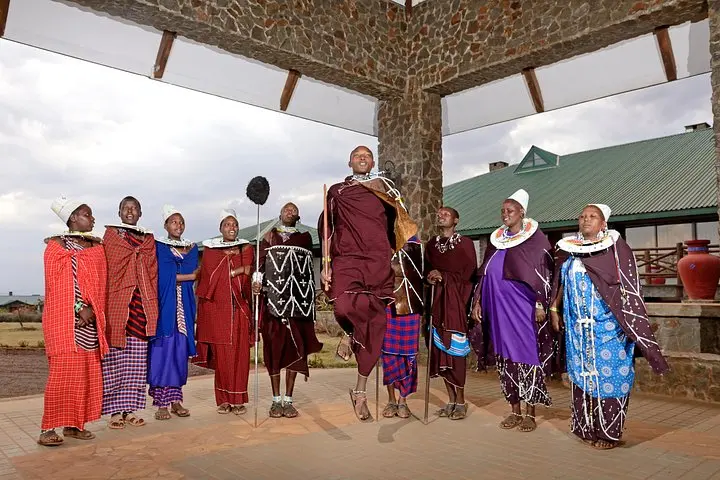
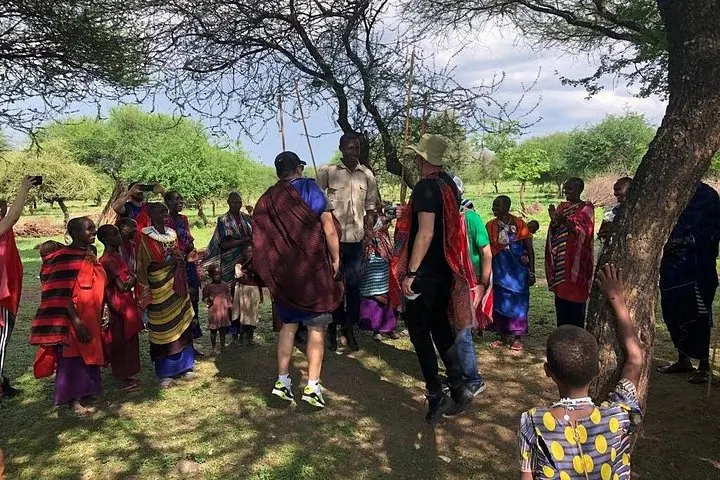
The Maasai are pastoralists whose culture centers on cattle, age-set ceremonies, and medicinal plant knowledge passed down orally. The volcanic soils around Kilimanjaro shaped settlement and grazing patterns; stone and local timber are common building materials. Expect a direct, personal exchange—your English-speaking guide translates, but conversation often follows gift-giving, shared tea, and demonstrations rather than scripted performances.
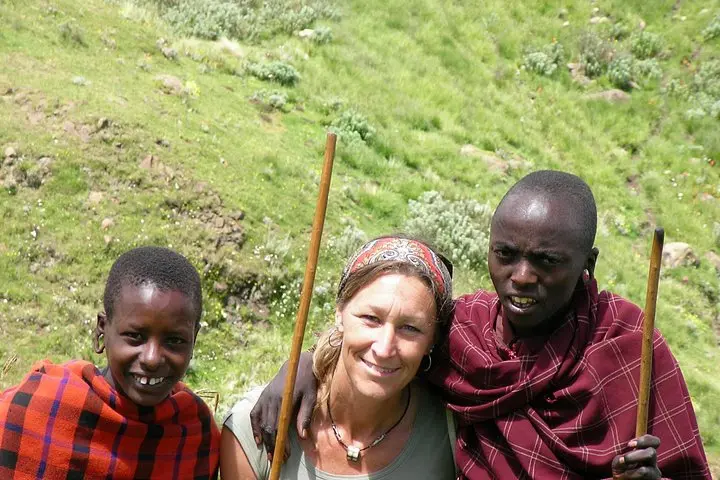
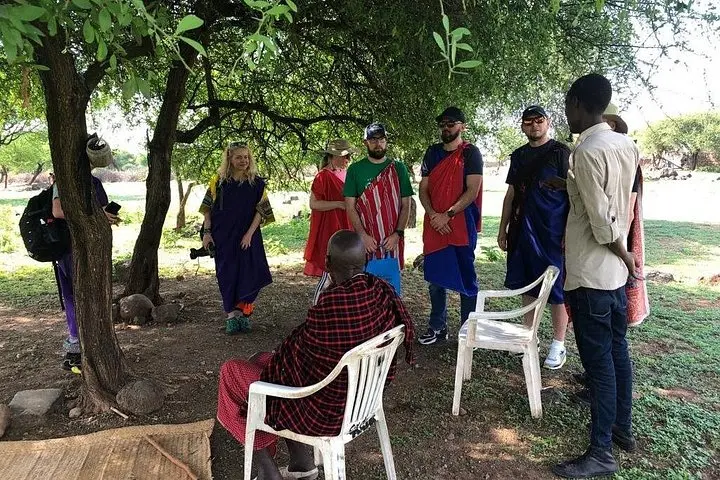
Inside the village you’ll sample Maasai tea, learn about traditional remedies, and visit a boma (homestead). Photography etiquette is important: always ask before taking portraits. The visit highlights living culture rather than a staged tourist product; these are functioning communities.
Practical guidance: wear sturdy closed shoes for uneven ground, bring sun protection and plenty of water, and carry small bills if you wish to buy handcrafted beadwork—bargaining is respectful but modest. The tour lasts roughly six hours with hotel pickup from Moshi; terrain is flat to gently rolling but unpaved. Be prepared for warm, dusty conditions and the possibility of strong midday sun. A thoughtful approach—listening, asking permission, and pacing your curiosity—turns a visit into a meaningful exchange rather than a snapshot.
Frequently asked questions
The tour runs about six hours, typically including hotel pickup in Moshi, a drive through bushland, and a few hours in the village.
Families with children are welcome; the village has uneven terrain so limited mobility may make access harder—contact the operator about wheelchair needs and accessibility.
Photographs require explicit permission—ask before photographing people or inside homesteads to respect privacy and cultural norms.
Yes—artisans often sell beadwork and small crafts; bring Tanzanian shillings and negotiate politely and modestly.
About This Experience
Twende Africa Tours operates guided outdoor trips and adventures with an emphasis on safety, stewardship, and memorable experiences.
Adventure tips
Recommended gear
- Closed-toe hiking shoes: Protects feet on uneven dirt paths and around livestock areas.
- Sun hat and sunscreen: Essential for open, exposed sections of the village and roadside stops.
- Reusable water bottle: Staying hydrated is critical—refill from provided bottled water when possible.
- Small local-currency cash: Useful for buying crafts and tipping; small denominations are preferred.
Photos of the experience
Related adventures & guides
Read the full experience
You arrive before the heat of the day, the air dry and sharp, and the road unfurls through bushland punctuated by baobab and acacia silhouettes. Dust rises behind the vehicle as your guide points out dried riverbeds and smallholder plots; the village appears without fanfare: low houses, livestock, children moving through their routines.
You arrive before the heat of the day, the air dry and sharp, and the road unfurls through bushland punctuated by baobab and acacia silhouettes. Dust rises behind the vehicle as your guide points out dried riverbeds and smallholder plots; the village appears without fanfare: low houses, livestock, children moving through their routines.
The Maasai are pastoralists whose culture centers on cattle, age-set ceremonies, and medicinal plant knowledge passed down orally. The volcanic soils around Kilimanjaro shaped settlement and grazing patterns; stone and local timber are common building materials. Expect a direct, personal exchange—your English-speaking guide translates, but conversation often follows gift-giving, shared tea, and demonstrations rather than scripted performances.
Inside the village you’ll sample Maasai tea, learn about traditional remedies, and visit a boma (homestead). Photography etiquette is important: always ask before taking portraits. The visit highlights living culture rather than a staged tourist product; these are functioning communities.
Practical guidance: wear sturdy closed shoes for uneven ground, bring sun protection and plenty of water, and carry small bills if you wish to buy handcrafted beadwork—bargaining is respectful but modest. The tour lasts roughly six hours with hotel pickup from Moshi; terrain is flat to gently rolling but unpaved. Be prepared for warm, dusty conditions and the possibility of strong midday sun. A thoughtful approach—listening, asking permission, and pacing your curiosity—turns a visit into a meaningful exchange rather than a snapshot.
Make a day of it nearby.
Verified experiences and guided adventures in the surrounding area.