THE ADVENTURE COLLECTIVE® · Independent discovery and booking for outdoor travel

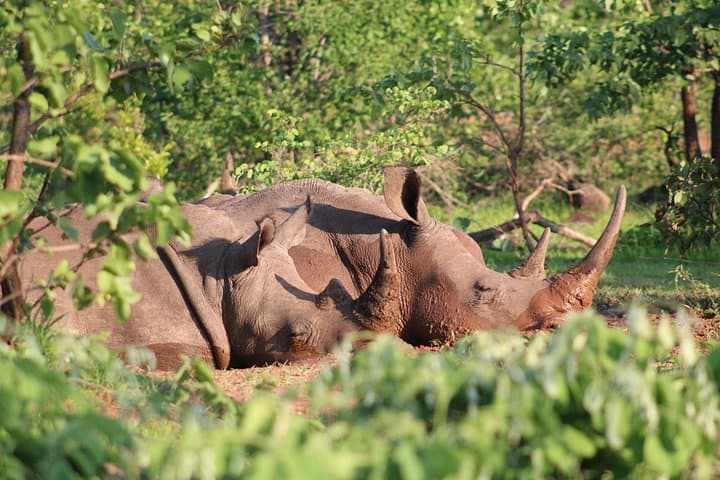
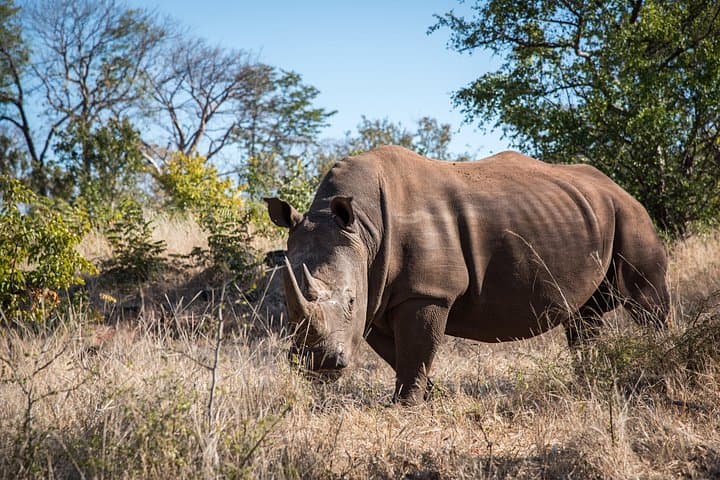
Explore the wildlife side of Mosi oa Tunya National Park on a 2–3 hour game drive from Livingstone, capped by a guided rhino walk for up-close viewing of white rhinos. Practical pickup, short drives, and strong sighting potential make this a high-value safari for day visitors.
Explore the wildlife side of Mosi oa Tunya National Park on a 2–3 hour game drive from Livingstone, capped by a guided rhino walk for up-close viewing of white rhinos. Practical pickup, short drives, and strong sighting potential make this a high-value safari for day visitors.
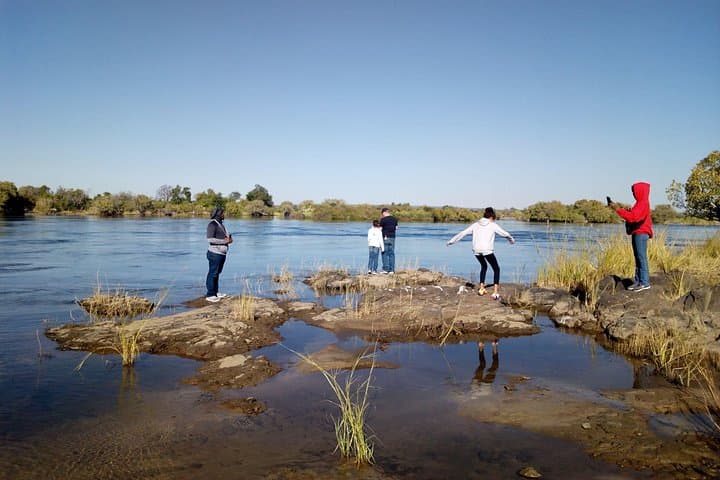
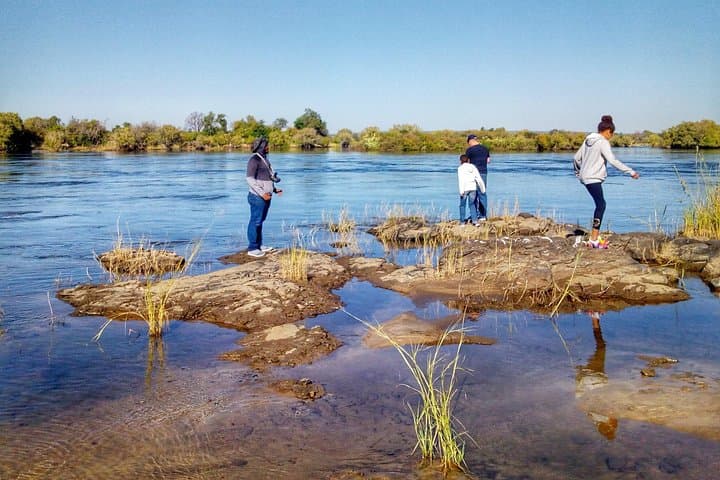
You pull away from Livingstone and the world flattens into scrub and riverine forest; the road narrows, and the air takes on the dry, mineral smell of the Zambezi floodplain. Low koppies and open loops in Mosi oa Tunya National Park give way to sightings: grazing wildebeest, a wall of Cape buffalo, and hippo heads breaking the river’s skin like slow-moving rocks. The guide eases the vehicle along game trails and, later, leads a measured foot approach toward a white rhino, its bulk and quiet breath rearranging your sense of scale.
Verified experiences and guided adventures in the surrounding area.
Operated by Nekacheya Travel And Tours · Livingstone, Southern Province
You pull away from Livingstone and the world flattens into scrub and riverine forest; the road narrows, and the air takes on the dry, mineral smell of the Zambezi floodplain. Low koppies and open loops in Mosi oa Tunya National Park give way to sightings: grazing wildebeest, a wall of Cape buffalo, and hippo heads breaking the river’s skin like slow-moving rocks. The guide eases the vehicle along game trails and, later, leads a measured foot approach toward a white rhino, its bulk and quiet breath rearranging your sense of scale.
Mosi oa Tunya — “The Smoke that Thunders” — is better known for Victoria Falls, but the park’s wildlife section protects a compact mosaic of savanna, riverine woods, and lagoons that support rhinos and crocodiles. Geologically, the Zambezi’s sandstone shelves carve the river corridor; culturally, Livingstone is a gateway town with a colonial history and living Lozi and Tonga communities who still fish and farm along the riverbanks.
Practically: the shared game drive runs about 2–3 hours with hotel pickup in Livingstone. Trails are mostly low-grade dirt tracks; the rhino walk is a guided, slow-footed trek requiring attention to the guide’s instructions. Expect close views but no handling—maintain distance and follow safety briefings. Bring water, sun protection, binoculars, and a camera with a medium telephoto. Morning drives often concentrate animal activity and cooler temperatures, while the dry season concentrates wildlife at waterholes. Keep to park rules to minimize disturbance and support ongoing conservation efforts.
No—sightings depend on season, time of day, and animal movements, but the park’s compact size gives a strong chance to see hippos, buffalo, and often rhino.
Yes—walks are led by experienced guides who set the pace and distance; follow instructions closely and avoid sudden movements or loud noises.
Yes—pickup from Livingstone hotels or lodges is typically included; confirm pickup point when booking.
Infants may join but must sit on an adult’s lap during the drive; check provider policies for age limits on the rhino walk.
Nekacheya Travel And Tours operates guided outdoor trips and adventures with an emphasis on safety, stewardship, and memorable experiences.
You pull away from Livingstone and the world flattens into scrub and riverine forest; the road narrows, and the air takes on the dry, mineral smell of the Zambezi floodplain. Low koppies and open loops in Mosi oa Tunya National Park give way to sightings: grazing wildebeest, a wall of Cape buffalo, and hippo heads breaking the river’s skin like slow-moving rocks. The guide eases the vehicle along game trails and, later, leads a measured foot approach toward a white rhino, its bulk and quiet breath rearranging your sense of scale.
You pull away from Livingstone and the world flattens into scrub and riverine forest; the road narrows, and the air takes on the dry, mineral smell of the Zambezi floodplain. Low koppies and open loops in Mosi oa Tunya National Park give way to sightings: grazing wildebeest, a wall of Cape buffalo, and hippo heads breaking the river’s skin like slow-moving rocks. The guide eases the vehicle along game trails and, later, leads a measured foot approach toward a white rhino, its bulk and quiet breath rearranging your sense of scale.
Mosi oa Tunya — “The Smoke that Thunders” — is better known for Victoria Falls, but the park’s wildlife section protects a compact mosaic of savanna, riverine woods, and lagoons that support rhinos and crocodiles. Geologically, the Zambezi’s sandstone shelves carve the river corridor; culturally, Livingstone is a gateway town with a colonial history and living Lozi and Tonga communities who still fish and farm along the riverbanks.
Practically: the shared game drive runs about 2–3 hours with hotel pickup in Livingstone. Trails are mostly low-grade dirt tracks; the rhino walk is a guided, slow-footed trek requiring attention to the guide’s instructions. Expect close views but no handling—maintain distance and follow safety briefings. Bring water, sun protection, binoculars, and a camera with a medium telephoto. Morning drives often concentrate animal activity and cooler temperatures, while the dry season concentrates wildlife at waterholes. Keep to park rules to minimize disturbance and support ongoing conservation efforts.