THE ADVENTURE COLLECTIVE® · Independent discovery and booking for outdoor travel

Departing from Moss Landing at the mouth of Monterey Bay Canyon, this narrated whale-watching tour gives passengers high odds of sightings year-round. Learn what to expect—logistics, wildlife timing, and practical tips to make the outing comfortable and productive.
Departing from Moss Landing at the mouth of Monterey Bay Canyon, this narrated whale-watching tour gives passengers high odds of sightings year-round. Learn what to expect—logistics, wildlife timing, and practical tips to make the outing comfortable and productive.
The boat slips away from Moss Landing, engines low and salt spray cutting the air; gulls argue overhead while the canyon at the mouth of Monterey Bay seems to breathe, pushing cold, nutrient-rich water toward the surface. Within minutes you can feel the ocean change—current and life converging—so that when the first spout punctures the horizon it reads like a signal rather than a surprise.
Verified experiences and guided adventures in the surrounding area.
Operated by Sea Goddess Whale Watching · Moss Landing, California
The boat slips away from Moss Landing, engines low and salt spray cutting the air; gulls argue overhead while the canyon at the mouth of Monterey Bay seems to breathe, pushing cold, nutrient-rich water toward the surface. Within minutes you can feel the ocean change—current and life converging—so that when the first spout punctures the horizon it reads like a signal rather than a surprise.
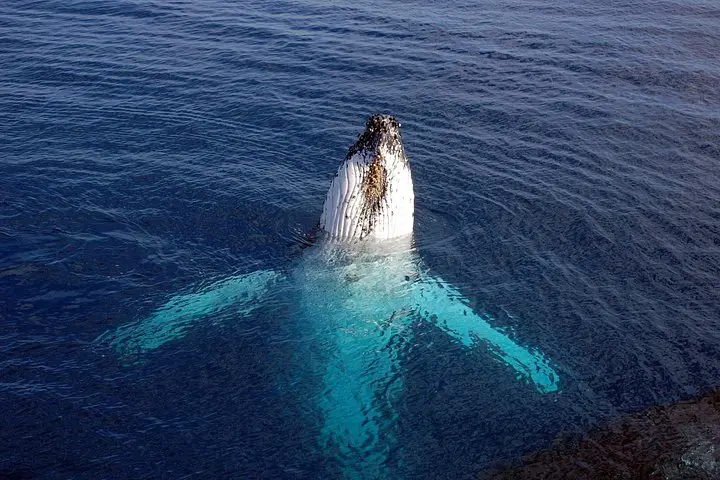
The Monterey Bay Canyon, carved by millennia of submarine erosion, makes this coast unusually productive. Commercial fishing, early 20th-century canneries in Moss Landing, and research institutions in nearby Monterey and Santa Cruz shaped local culture around the sea. Today vessels run narrated tours led by marine biologists who point out humpbacks breaking, transient orcas hunting, and blue whales passing offshore.
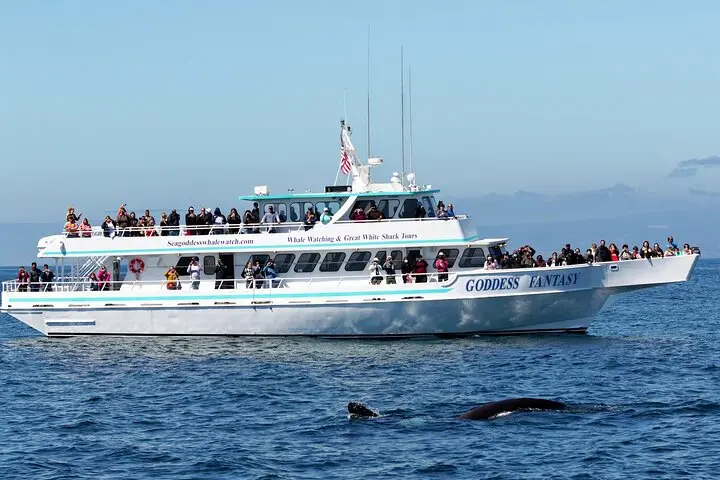
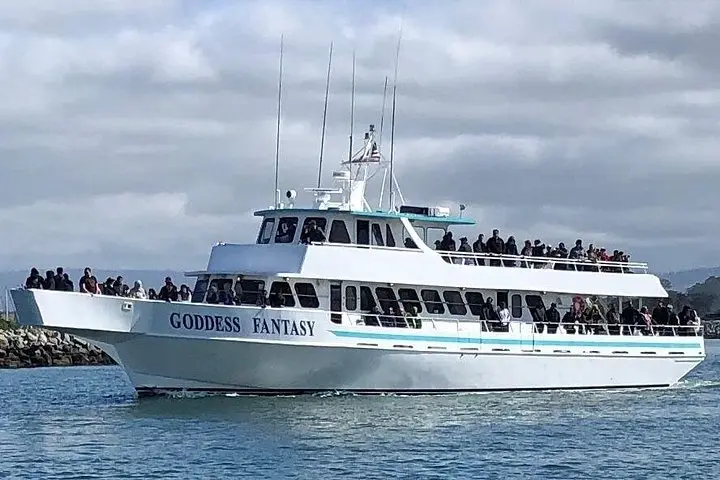
Expect calm instruction and deliberate observation: decks that circle the ship, an interior cabin, and restrooms for comfort. Wildlife moves on its own timetable—dolphins will sometimes race the bow, mola mola sun themselves, and seabirds will test your patience. The tour’s practical rhythm is straightforward: check in 30–45 minutes early, bring layered clothing for wind and spray, and plan for a 2–3 hour outing.
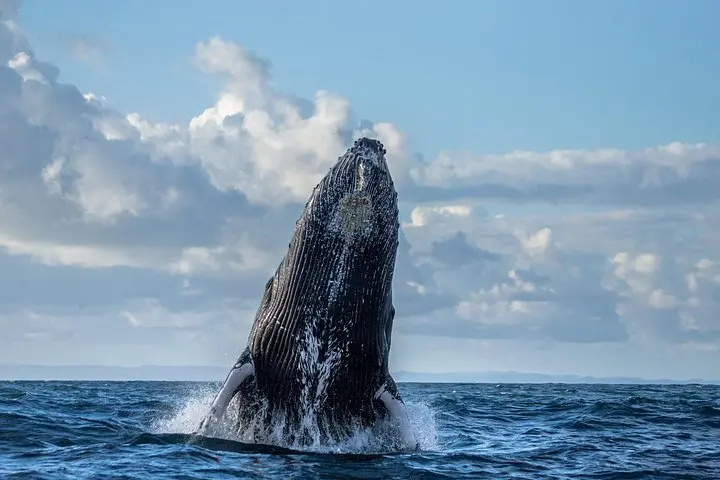
For photographers, a mid-deck position and fast shutter speeds help freeze breaches; for families, upper VIP seating gives unobstructed sightlines. Seas can be choppy—respect safety briefings and hold on when the boat rolls. In short: arrive prepared, keep binoculars handy, and let the bay do the introducing.
Moss Landing at the mouth of the Monterey Bay Canyon is highly productive; operators advertise near-guaranteed sightings year-round thanks to resident and migratory species, though behavior and visibility are subject to nature.
Children under three are typically not allowed for safety; older children may join but must be supervised and able to follow crew instructions.
Layered clothing with a warm mid-layer and windproof outer shell is recommended—temperatures on the water are often significantly colder than onshore.
Yes. Boats have interior cabins with windows, seating, and onboard restrooms; premium upper-deck seating is often available for clearer views.
Sea Goddess Whale Watching operates guided outdoor trips and adventures with an emphasis on safety, stewardship, and memorable experiences.
The boat slips away from Moss Landing, engines low and salt spray cutting the air; gulls argue overhead while the canyon at the mouth of Monterey Bay seems to breathe, pushing cold, nutrient-rich water toward the surface. Within minutes you can feel the ocean change—current and life converging—so that when the first spout punctures the horizon it reads like a signal rather than a surprise.
The boat slips away from Moss Landing, engines low and salt spray cutting the air; gulls argue overhead while the canyon at the mouth of Monterey Bay seems to breathe, pushing cold, nutrient-rich water toward the surface. Within minutes you can feel the ocean change—current and life converging—so that when the first spout punctures the horizon it reads like a signal rather than a surprise.
The Monterey Bay Canyon, carved by millennia of submarine erosion, makes this coast unusually productive. Commercial fishing, early 20th-century canneries in Moss Landing, and research institutions in nearby Monterey and Santa Cruz shaped local culture around the sea. Today vessels run narrated tours led by marine biologists who point out humpbacks breaking, transient orcas hunting, and blue whales passing offshore.
Expect calm instruction and deliberate observation: decks that circle the ship, an interior cabin, and restrooms for comfort. Wildlife moves on its own timetable—dolphins will sometimes race the bow, mola mola sun themselves, and seabirds will test your patience. The tour’s practical rhythm is straightforward: check in 30–45 minutes early, bring layered clothing for wind and spray, and plan for a 2–3 hour outing.
For photographers, a mid-deck position and fast shutter speeds help freeze breaches; for families, upper VIP seating gives unobstructed sightlines. Seas can be choppy—respect safety briefings and hold on when the boat rolls. In short: arrive prepared, keep binoculars handy, and let the bay do the introducing.