THE ADVENTURE COLLECTIVE® · Independent discovery and booking for outdoor travel

Spend a day driving Bosnia’s dramatic river valleys from Sarajevo to Mostar, Blagaj and Kravica Waterfall. This single-day tour blends Ottoman history, karst springs and a chance to swim beneath a broad waterfall.
Spend a day driving Bosnia’s dramatic river valleys from Sarajevo to Mostar, Blagaj and Kravica Waterfall. This single-day tour blends Ottoman history, karst springs and a chance to swim beneath a broad waterfall.
You leave Sarajevo while the city still exhales steam from cafes, and the road unfurls through folded limestone ridges toward the Neretva Valley. Green terraces and cliff faces draw closer; the Buna River pushes out from its karst source beneath the Blagaj cliff, daring you to follow.
Verified experiences and guided adventures in the surrounding area.
Operated by Balkland · Mostar, Herzegovina-Neretva Canton
You leave Sarajevo while the city still exhales steam from cafes, and the road unfurls through folded limestone ridges toward the Neretva Valley. Green terraces and cliff faces draw closer; the Buna River pushes out from its karst source beneath the Blagaj cliff, daring you to follow.
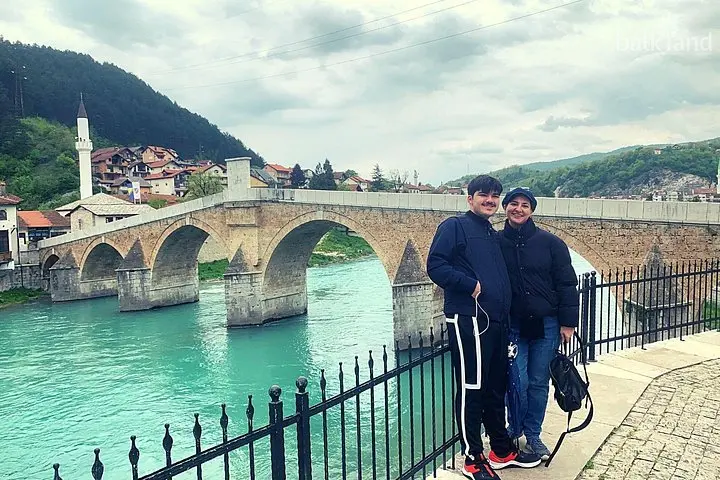
This route threads Ottoman-era towns and wartime memory sites. Mostar’s Stari Most — rebuilt after destruction in the 1990s — arcs above the cold Neretva, a 16th-century link between cultures and an unmistakable landmark of resilience. Blagaj’s 600-year-old tekija sits at the river’s mouth, its white walls leaning into the cliff; the spring’s clear water sinks into subterranean channels carved over millennia.
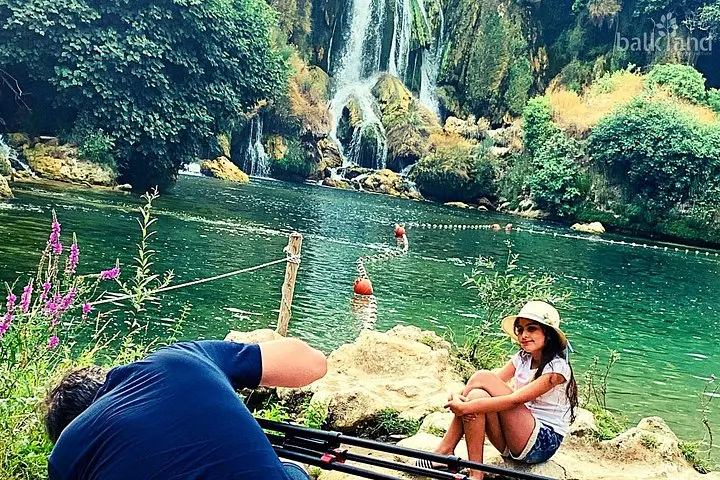
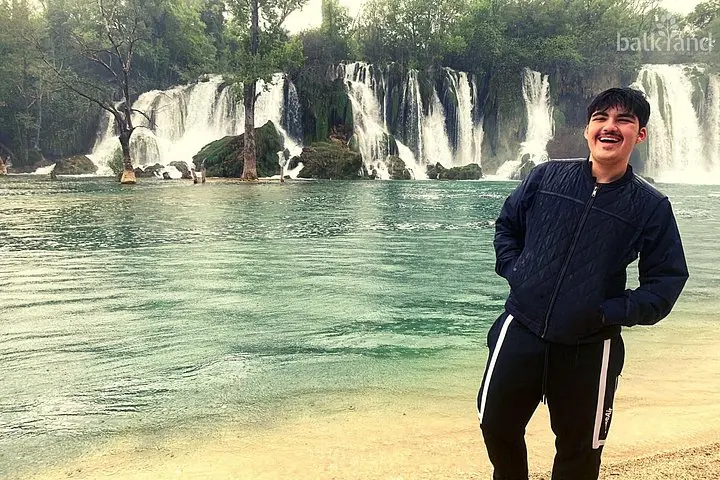
Geology here is karst: limestone shaped into springs, sinkholes and sheer canyon walls that frame every town. Cultural notes are immediate — Ottoman bridges, austere dervish architecture, local shops offering grilled lamb and strong coffee. Pocitelj preserves medieval fortifications, and Kravica Waterfall finishes the day with a broad curtain of water tumbling onto terraced pools.
Practical guidance: expect a long day (10–12 hours) with multiple short walks and stairs on cobbles; pack a change of clothes for summer swims, sturdy shoes for historic streets, and a light rain layer for unpredictable weather. There are restroom stops and a chance for a local meal en route. The most rewarding moments are visual: the green-blue rivers, the vertical cliff at Blagaj, and the thunder of Kravica — vivid, immediate, and manageable in a single, deeply satisfying day.
Yes — in summer months visitors commonly swim in the pools below the falls; conditions vary with water level, so follow local guidance.
Expect roughly 2–2.5 hours each way depending on traffic and stops; the full itinerary is a 10–12 hour day.
This tour’s itinerary lists some admissions as included, but confirm with the operator for any optional stops or dining costs.
The operator notes stroller access for infants on parts of the route, but cobbles and stairs in historic areas can be challenging.
Balkland operates guided outdoor trips and adventures with an emphasis on safety, stewardship, and memorable experiences.
You leave Sarajevo while the city still exhales steam from cafes, and the road unfurls through folded limestone ridges toward the Neretva Valley. Green terraces and cliff faces draw closer; the Buna River pushes out from its karst source beneath the Blagaj cliff, daring you to follow.
You leave Sarajevo while the city still exhales steam from cafes, and the road unfurls through folded limestone ridges toward the Neretva Valley. Green terraces and cliff faces draw closer; the Buna River pushes out from its karst source beneath the Blagaj cliff, daring you to follow.
This route threads Ottoman-era towns and wartime memory sites. Mostar’s Stari Most — rebuilt after destruction in the 1990s — arcs above the cold Neretva, a 16th-century link between cultures and an unmistakable landmark of resilience. Blagaj’s 600-year-old tekija sits at the river’s mouth, its white walls leaning into the cliff; the spring’s clear water sinks into subterranean channels carved over millennia.
Geology here is karst: limestone shaped into springs, sinkholes and sheer canyon walls that frame every town. Cultural notes are immediate — Ottoman bridges, austere dervish architecture, local shops offering grilled lamb and strong coffee. Pocitelj preserves medieval fortifications, and Kravica Waterfall finishes the day with a broad curtain of water tumbling onto terraced pools.
Practical guidance: expect a long day (10–12 hours) with multiple short walks and stairs on cobbles; pack a change of clothes for summer swims, sturdy shoes for historic streets, and a light rain layer for unpredictable weather. There are restroom stops and a chance for a local meal en route. The most rewarding moments are visual: the green-blue rivers, the vertical cliff at Blagaj, and the thunder of Kravica — vivid, immediate, and manageable in a single, deeply satisfying day.