THE ADVENTURE COLLECTIVE® · Independent discovery and booking for outdoor travel

A full-day from Dubrovnik brings you to Mostar’s rebuilt Old Bridge and the tumbling Kravice Waterfalls—perfect for history, photography and a refreshing swim. This practical guide covers what to expect, entry fees, and key tips to prepare.
A full-day from Dubrovnik brings you to Mostar’s rebuilt Old Bridge and the tumbling Kravice Waterfalls—perfect for history, photography and a refreshing swim. This practical guide covers what to expect, entry fees, and key tips to prepare.
You step out of the coach into Mostar’s Old Town and the air fills with the smell of grilled ćevapi and river-slick stone. The Old Bridge arches cleanly over the Neretva, and vendors arrange hand-painted copper, lace and local sweets under low eaves. Later the road unfurls southwards and the landscape changes: limestone walls, karst streams, and a roar that grows until Kravice appears—a curtain of water pushing into a rounded plunge pool that dares you to swim.
Verified experiences and guided adventures in the surrounding area.
Operated by Travel agency City Of Stone · Mostar, Herzegovina-Neretva Canton
You step out of the coach into Mostar’s Old Town and the air fills with the smell of grilled ćevapi and river-slick stone. The Old Bridge arches cleanly over the Neretva, and vendors arrange hand-painted copper, lace and local sweets under low eaves. Later the road unfurls southwards and the landscape changes: limestone walls, karst streams, and a roar that grows until Kravice appears—a curtain of water pushing into a rounded plunge pool that dares you to swim.
Mostar’s Stari Most dates to the 16th century Ottoman era; its 1990s reconstruction is both political and cultural history made visible. Geologically, the falls are set in karst limestone—water has slowly hollowed pools and channels that create the turquoise basins you’ll see. The region’s culture blends Bosnian, Ottoman and Mediterranean influences: cafés pour strong coffee while nearby villages tend vineyards and stone houses.
Practical guidance: the tour is long — expect roughly 11 hours including round-trip transport from Dubrovnik. Bring your passport for the border crossing, swimwear and towel if you plan to enter Kravice (entrance ~€10, not included), and enough water for the day. Footwear should handle cobbles and wet rocks; a light daypack with layers works best for early morning chill and warmer afternoons. Keep cards or BAM (Bosnian mark) for small purchases; many places accept euros but change may be in local currency. Photographers should plan for both architectural shots in Mostar and wide-angle work at the falls. Respect posted signs at the waterfall and follow your guide’s safety instructions — currents and slippery rock make common sense essential.
Yes — the tour crosses the Croatia–Bosnia and Herzegovina border, so every traveler must carry a valid passport.
Swimming is allowed but not guaranteed; the entrance fee (~€10) is not included in the tour price and conditions depend on weather and water levels.
The excursion is a full-day trip—about 11 hours including transport—and typically departs from Dubrovnik; confirm exact pickup point at booking.
Mostar has many cafés and restaurants in the Old Town; at Kravice expect limited kiosk options, so bring snacks if you have dietary restrictions.
Travel agency City Of Stone operates guided outdoor trips and adventures with an emphasis on safety, stewardship, and memorable experiences.
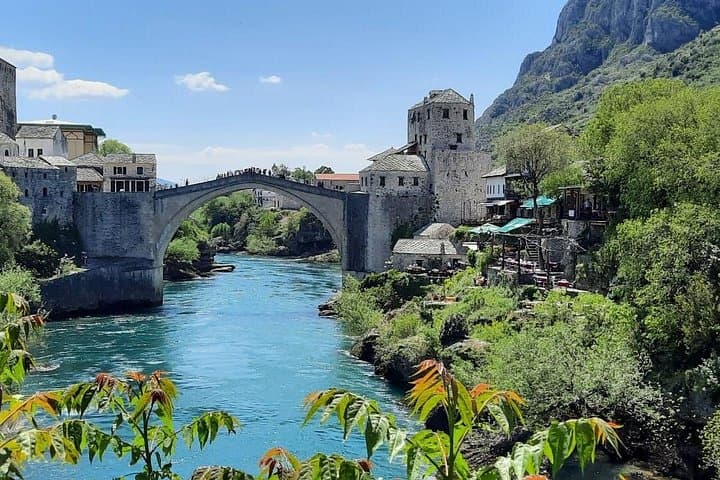
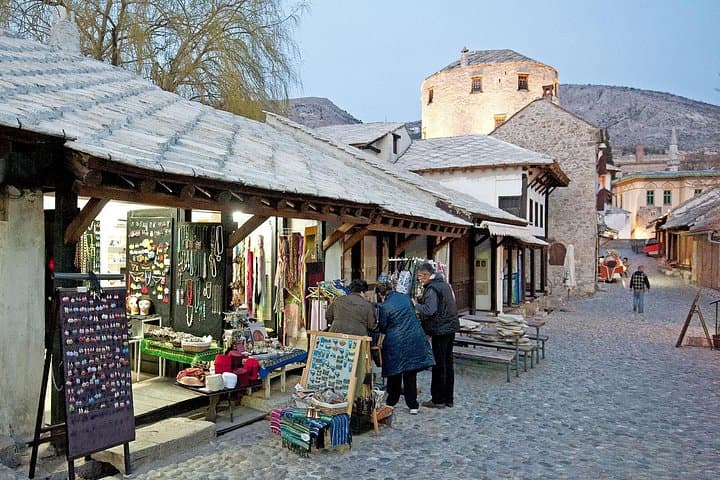
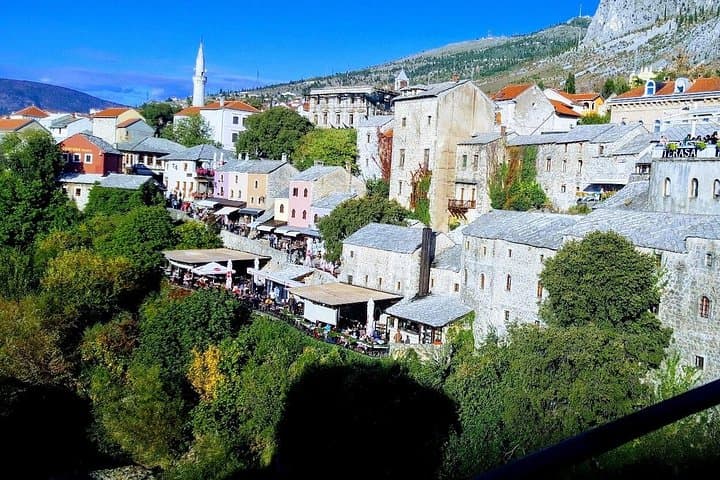
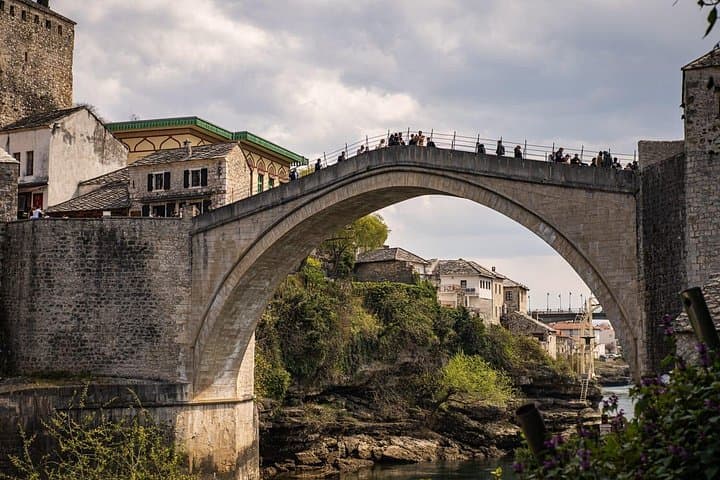
You step out of the coach into Mostar’s Old Town and the air fills with the smell of grilled ćevapi and river-slick stone. The Old Bridge arches cleanly over the Neretva, and vendors arrange hand-painted copper, lace and local sweets under low eaves. Later the road unfurls southwards and the landscape changes: limestone walls, karst streams, and a roar that grows until Kravice appears—a curtain of water pushing into a rounded plunge pool that dares you to swim.
You step out of the coach into Mostar’s Old Town and the air fills with the smell of grilled ćevapi and river-slick stone. The Old Bridge arches cleanly over the Neretva, and vendors arrange hand-painted copper, lace and local sweets under low eaves. Later the road unfurls southwards and the landscape changes: limestone walls, karst streams, and a roar that grows until Kravice appears—a curtain of water pushing into a rounded plunge pool that dares you to swim.
Mostar’s Stari Most dates to the 16th century Ottoman era; its 1990s reconstruction is both political and cultural history made visible. Geologically, the falls are set in karst limestone—water has slowly hollowed pools and channels that create the turquoise basins you’ll see. The region’s culture blends Bosnian, Ottoman and Mediterranean influences: cafés pour strong coffee while nearby villages tend vineyards and stone houses.
Practical guidance: the tour is long — expect roughly 11 hours including round-trip transport from Dubrovnik. Bring your passport for the border crossing, swimwear and towel if you plan to enter Kravice (entrance ~€10, not included), and enough water for the day. Footwear should handle cobbles and wet rocks; a light daypack with layers works best for early morning chill and warmer afternoons. Keep cards or BAM (Bosnian mark) for small purchases; many places accept euros but change may be in local currency. Photographers should plan for both architectural shots in Mostar and wide-angle work at the falls. Respect posted signs at the waterfall and follow your guide’s safety instructions — currents and slippery rock make common sense essential.