THE ADVENTURE COLLECTIVE® · Independent discovery and booking for outdoor travel

Move through Detroit after dusk on a one-hour guided walk that stitches together true crime, Prohibition lore, and haunted hospitals. This compact tour highlights storied addresses from the Masonic Temple to The Whitney, mixing documented history with local legend.
Move through Detroit after dusk on a one-hour guided walk that stitches together true crime, Prohibition lore, and haunted hospitals. This compact tour highlights storied addresses from the Masonic Temple to The Whitney, mixing documented history with local legend.
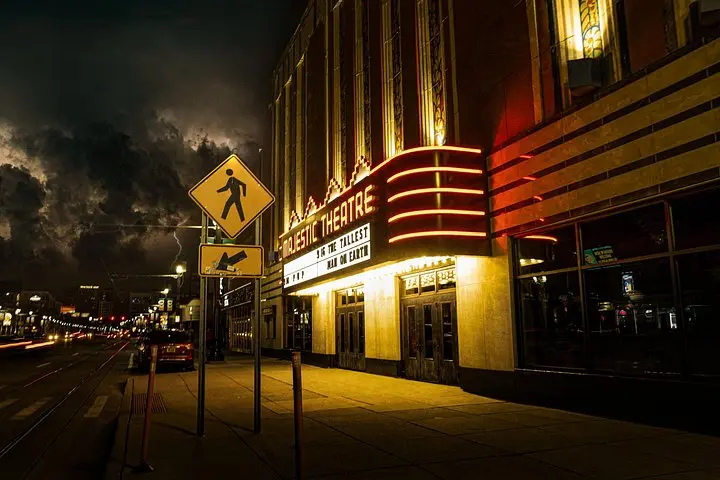
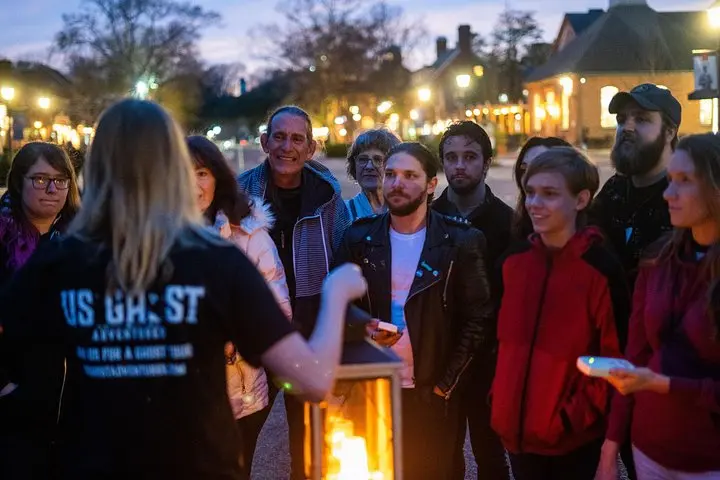
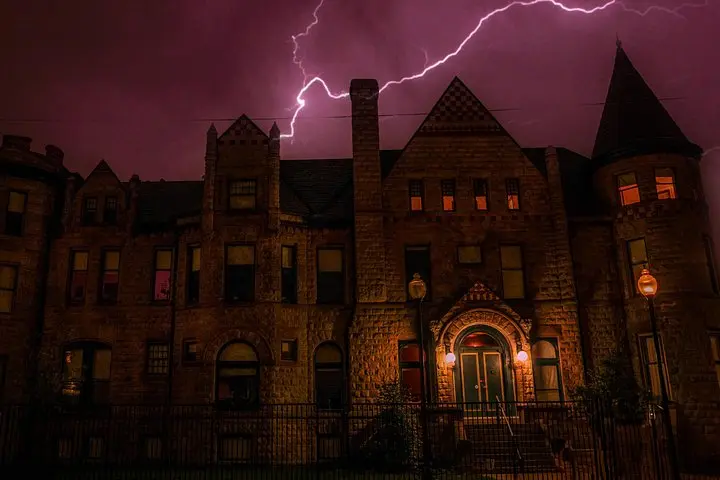
The city dims its neon and the streets take on a quieter pulse as your guide raises a lantern near Temple Street. Brick facades and carved stone seem to lean closer, shadows gathering in archways and empty doorways while the guide threads a seam of true crime, Prohibition-era gossip, and whispered hospital lore into a single hour.
Verified experiences and guided adventures in the surrounding area.
Operated by Detroit Ghosts · Detroit, Michigan
The city dims its neon and the streets take on a quieter pulse as your guide raises a lantern near Temple Street. Brick facades and carved stone seem to lean closer, shadows gathering in archways and empty doorways while the guide threads a seam of true crime, Prohibition-era gossip, and whispered hospital lore into a single hour.
Detroit's skyline and river valley tell the literal story — industrial boom, wealth from manufacturing, and the neighborhoods that rose around them. That history is the tour’s backbone: opulent mansions turned monuments, theaters that once hosted vaudeville, and a medical campus where life and death have long intersected. The geology is urban — reclaimed lots, layered foundations, and the Detroit River shaping trade and migration — but culture supplies the drama: music halls, speakeasies, and builders whose fortunes and failures leave audible echoes.
Walkers should expect paved sidewalks, short blocks between stops, and dozens of visual cues — plaques, carved lintels, and neon signs — that anchor each tale. Guides combine researched archives and oral history; the effect is more civic archaeology than séance. The pace is slow, suitable for most fitness levels, and most stories are told outdoors with brief stops at façades and entrances.
Practical notes: arrive 10 minutes early, wear sturdy shoes, and bring a charged phone for photos and maps. Evening temperatures drop quickly in Detroit — pack a layer. Public transit options are nearby and street parking is available but can be limited on event nights. The tour fits history lovers and curious first-time visitors who want a compact, atmospheric primer on the city’s darker chapters.
Yes — the pace and route are family-friendly, but some stories may be intense; parental discretion is advised.
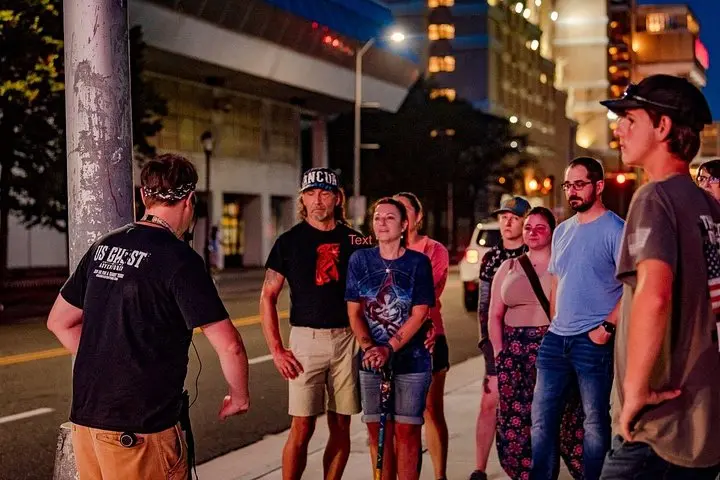
Meet at 100 Temple St; the guide wears a US Ghost Adventures T-shirt and carries a lantern for easy identification.
Tours run rain or shine; there is no automatic cancellation for weather, so check with the operator if conditions are severe.
Most of the route is on paved city sidewalks and is generally accessible, but contact the operator ahead of booking to confirm accommodations.
Detroit Ghosts operates guided outdoor trips and adventures with an emphasis on safety, stewardship, and memorable experiences.
The city dims its neon and the streets take on a quieter pulse as your guide raises a lantern near Temple Street. Brick facades and carved stone seem to lean closer, shadows gathering in archways and empty doorways while the guide threads a seam of true crime, Prohibition-era gossip, and whispered hospital lore into a single hour.
The city dims its neon and the streets take on a quieter pulse as your guide raises a lantern near Temple Street. Brick facades and carved stone seem to lean closer, shadows gathering in archways and empty doorways while the guide threads a seam of true crime, Prohibition-era gossip, and whispered hospital lore into a single hour.
Detroit's skyline and river valley tell the literal story — industrial boom, wealth from manufacturing, and the neighborhoods that rose around them. That history is the tour’s backbone: opulent mansions turned monuments, theaters that once hosted vaudeville, and a medical campus where life and death have long intersected. The geology is urban — reclaimed lots, layered foundations, and the Detroit River shaping trade and migration — but culture supplies the drama: music halls, speakeasies, and builders whose fortunes and failures leave audible echoes.
Walkers should expect paved sidewalks, short blocks between stops, and dozens of visual cues — plaques, carved lintels, and neon signs — that anchor each tale. Guides combine researched archives and oral history; the effect is more civic archaeology than séance. The pace is slow, suitable for most fitness levels, and most stories are told outdoors with brief stops at façades and entrances.
Practical notes: arrive 10 minutes early, wear sturdy shoes, and bring a charged phone for photos and maps. Evening temperatures drop quickly in Detroit — pack a layer. Public transit options are nearby and street parking is available but can be limited on event nights. The tour fits history lovers and curious first-time visitors who want a compact, atmospheric primer on the city’s darker chapters.