THE ADVENTURE COLLECTIVE® · Independent discovery and booking for outdoor travel

Tour three of Italy’s most famous makers in a single day: Lamborghini’s inspired supercars, Pagani’s handcrafted hypercars, and Ducati’s racing lineage. This private tour pairs close‑up factory access with museum context and a lunch overlooking Lamborghini’s historic plant.
Tour three of Italy’s most famous makers in a single day: Lamborghini’s inspired supercars, Pagani’s handcrafted hypercars, and Ducati’s racing lineage. This private tour pairs close‑up factory access with museum context and a lunch overlooking Lamborghini’s historic plant.
You step into a different kind of landscape—concrete halls humming with compressed air, carbon fiber panels glinting under shop lights, and the low, deliberate thrum of engines in final test. The day begins in Bologna and moves outward: Sant’Agata Bolognese’s Lamborghini compound, the artisan benches at Pagani, and Ducati’s assembly lines that have shaped racing history.
Verified experiences and guided adventures in the surrounding area.
Operated by Bullbar · Bologna, Emilia-Romagna
You step into a different kind of landscape—concrete halls humming with compressed air, carbon fiber panels glinting under shop lights, and the low, deliberate thrum of engines in final test. The day begins in Bologna and moves outward: Sant’Agata Bolognese’s Lamborghini compound, the artisan benches at Pagani, and Ducati’s assembly lines that have shaped racing history.
This corridor of Emilia‑Romagna—Italy’s Motor Valley—grew from 20th‑century industrial ambition and local metalworking traditions into a concentration of high‑performance engineering. Geology here is gentle: rolling Po Valley plains that made land cheap for factories and test tracks. Culturally, the region values craft, speed, and design; family‑run suppliers sit alongside global brands.
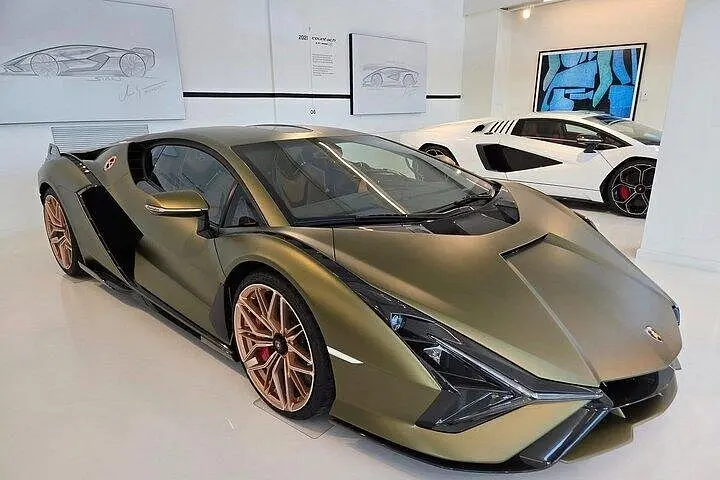
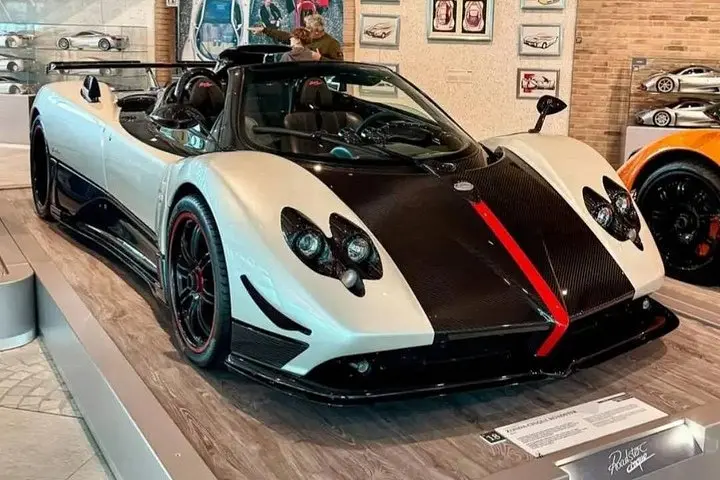
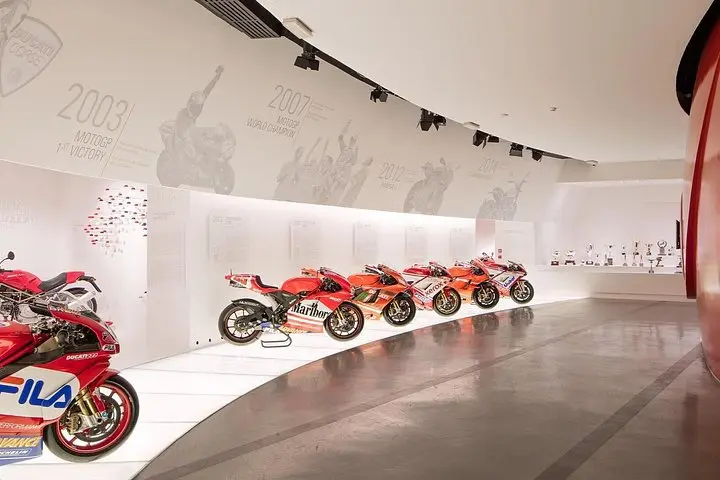
Expect guided access to museum exhibits and factory floors: classic Miura and Countach at Lamborghini, Zonda and Huayra prototypes at Pagani, and Ducati’s race machines and historic 916. Tours spotlight materials (aluminum, carbon fiber, magnesium), production stages, and quality testing—less spectacle, more mechanics up close.
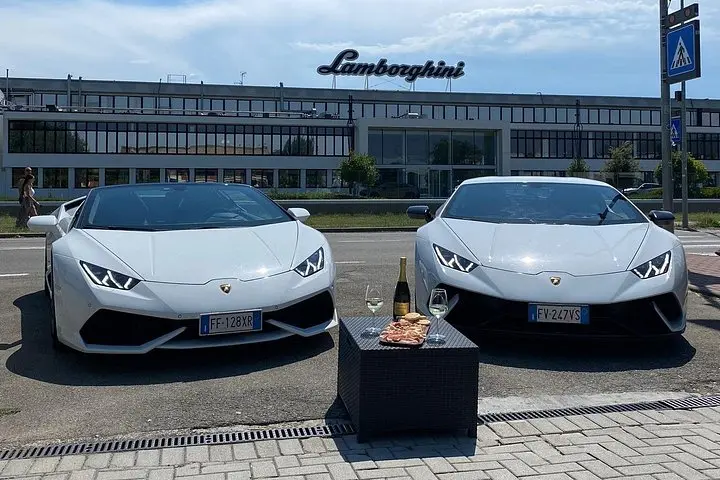
Practical guidance: plan for a 5–7 hour day with private transport; carry ID for entry and a charged camera with a quiet shutter. Factories enforce safety—closed shoes are required and pockets must be zipped. Lunch is included, usually with views over Lamborghini’s historic plant.
Timing and logistics matter: mornings avoid afternoon traffic between towns; ask about mobility accommodations if needed. Finally, treat the visit like a working site—observe, ask concise questions, and allow the machines and makers to tell their story.
Photography and video policies vary by manufacturer and by area; museums generally allow photos but assembly areas often restrict imaging—ask your guide on arrival.
Expect moderate walking and standing for museum displays and factory observation points; distances are short but tours include stairs and shop floors.
Yes—many factories permit children, but check age restrictions for specific areas and ensure they follow safety rules and wear appropriate footwear.
Yes—the operator arranges lunch and can usually accommodate dietary needs if informed in advance during booking.
Bullbar operates guided outdoor trips and adventures with an emphasis on safety, stewardship, and memorable experiences.
You step into a different kind of landscape—concrete halls humming with compressed air, carbon fiber panels glinting under shop lights, and the low, deliberate thrum of engines in final test. The day begins in Bologna and moves outward: Sant’Agata Bolognese’s Lamborghini compound, the artisan benches at Pagani, and Ducati’s assembly lines that have shaped racing history.
You step into a different kind of landscape—concrete halls humming with compressed air, carbon fiber panels glinting under shop lights, and the low, deliberate thrum of engines in final test. The day begins in Bologna and moves outward: Sant’Agata Bolognese’s Lamborghini compound, the artisan benches at Pagani, and Ducati’s assembly lines that have shaped racing history.
This corridor of Emilia‑Romagna—Italy’s Motor Valley—grew from 20th‑century industrial ambition and local metalworking traditions into a concentration of high‑performance engineering. Geology here is gentle: rolling Po Valley plains that made land cheap for factories and test tracks. Culturally, the region values craft, speed, and design; family‑run suppliers sit alongside global brands.
Expect guided access to museum exhibits and factory floors: classic Miura and Countach at Lamborghini, Zonda and Huayra prototypes at Pagani, and Ducati’s race machines and historic 916. Tours spotlight materials (aluminum, carbon fiber, magnesium), production stages, and quality testing—less spectacle, more mechanics up close.
Practical guidance: plan for a 5–7 hour day with private transport; carry ID for entry and a charged camera with a quiet shutter. Factories enforce safety—closed shoes are required and pockets must be zipped. Lunch is included, usually with views over Lamborghini’s historic plant.
Timing and logistics matter: mornings avoid afternoon traffic between towns; ask about mobility accommodations if needed. Finally, treat the visit like a working site—observe, ask concise questions, and allow the machines and makers to tell their story.