THE ADVENTURE COLLECTIVE® · Independent discovery and booking for outdoor travel

Ride a Minsk motorcycle from Hanoi’s edges to Bat Trang, a living pottery quarter on the Red River. This half-day backstreet tour combines village workshops, hands-on pottery time and a home-cooked lunch—ideal for travelers who want craft, culture and a short countryside escape.
Ride a Minsk motorcycle from Hanoi’s edges to Bat Trang, a living pottery quarter on the Red River. This half-day backstreet tour combines village workshops, hands-on pottery time and a home-cooked lunch—ideal for travelers who want craft, culture and a short countryside escape.
You peel away from Hanoi’s clatter on the back of a Minsk motorcycle, wind slicing through lanes of fruit stalls and dyke-top paths that run beside the Red River. The city thins, gardens of guava and mustard greens flank the narrow road, and a village of low, clay-colored roofs resolves ahead—the centuries-old Bat Trang ceramic quarter.
Verified experiences and guided adventures in the surrounding area.
Operated by Vietnam Backstreet Tours · Hanoi, Hanoi
You peel away from Hanoi’s clatter on the back of a Minsk motorcycle, wind slicing through lanes of fruit stalls and dyke-top paths that run beside the Red River. The city thins, gardens of guava and mustard greens flank the narrow road, and a village of low, clay-colored roofs resolves ahead—the centuries-old Bat Trang ceramic quarter.
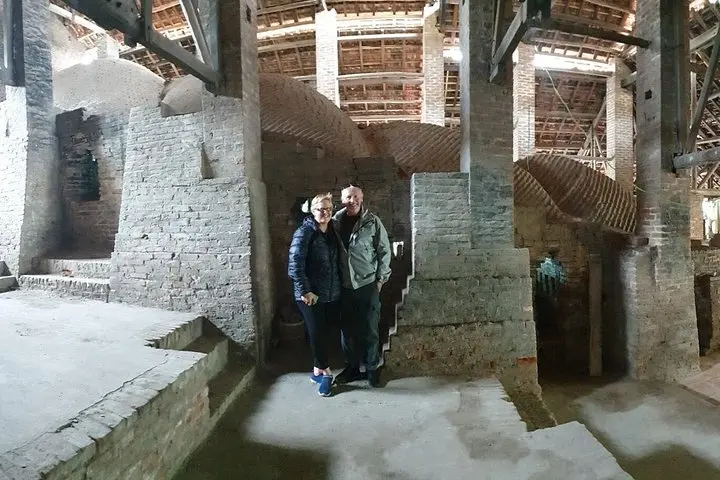
Bat Trang has made pottery since the 14th century, its clay tied to the alluvial soils of the Red River floodplain. Alleyways thread between kilns and family workshops where wheel-spun bowls and blue-and-white wares are formed, fired and glazed. The air carries the faint iron scent of wet clay and the dry tang of kiln smoke; artisans stop to explain shaping, stamping and decorating techniques that shift subtly from household to household.
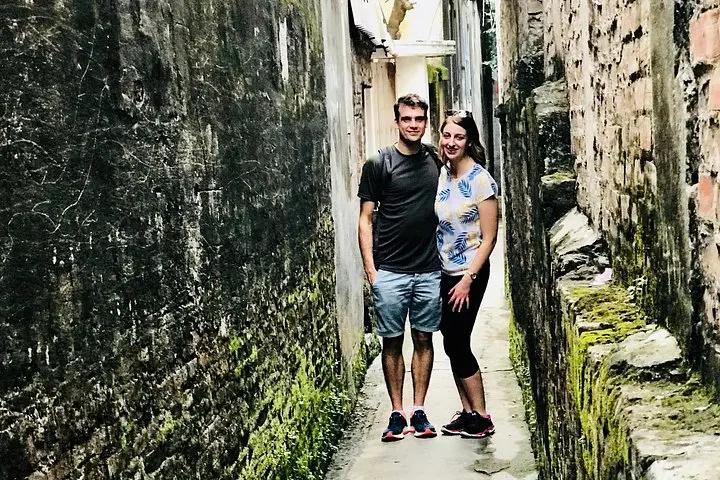
You’ll walk a compact maze of lanes, visit an active workshop and try shaping or painting a small cup under guidance, then cross into a family home for a homemade Hanoi-style lunch that contrasts countryside rhythms with city life.
Practical edge: the tour is a half-day, mostly low-impact on foot with short motorcycle transfers. Expect uneven village paths, scooters passing, and variable kiln temperatures if you step inside workshops. Bring sun protection, closed-toe shoes, and a small daypack—packaged ceramics can be fragile, so plan for secure wrapping or courier shipping for large purchases. Morning light is best for photos and cooler riding; afternoons can be humid. The trip offers direct contact with living craft traditions and an efficient, off-roadway glimpse of greater Hanoi’s agricultural fringe.
Yes—most operators include pickup from central Hanoi hotels; confirm your pickup point at booking and allow time for urban traffic.
Yes—the itinerary typically includes a hands-on session where you can shape or paint a small cup or bowl under instructor supervision.
Helmets are usually provided for passengers; check with the operator about infant seats or specific helmet sizes if needed.
Vegetarian and vegan options are commonly available—note any dietary requirements when you book so the host family can prepare accordingly.
Vietnam Backstreet Tours operates guided outdoor trips and adventures with an emphasis on safety, stewardship, and memorable experiences.
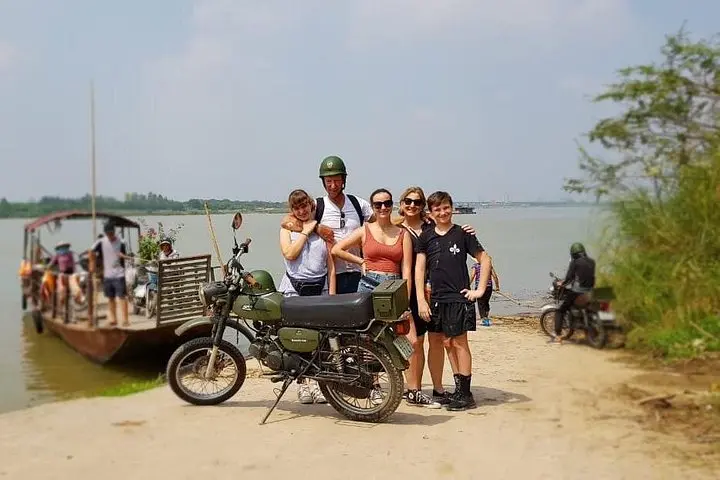

You peel away from Hanoi’s clatter on the back of a Minsk motorcycle, wind slicing through lanes of fruit stalls and dyke-top paths that run beside the Red River. The city thins, gardens of guava and mustard greens flank the narrow road, and a village of low, clay-colored roofs resolves ahead—the centuries-old Bat Trang ceramic quarter.
You peel away from Hanoi’s clatter on the back of a Minsk motorcycle, wind slicing through lanes of fruit stalls and dyke-top paths that run beside the Red River. The city thins, gardens of guava and mustard greens flank the narrow road, and a village of low, clay-colored roofs resolves ahead—the centuries-old Bat Trang ceramic quarter.
Bat Trang has made pottery since the 14th century, its clay tied to the alluvial soils of the Red River floodplain. Alleyways thread between kilns and family workshops where wheel-spun bowls and blue-and-white wares are formed, fired and glazed. The air carries the faint iron scent of wet clay and the dry tang of kiln smoke; artisans stop to explain shaping, stamping and decorating techniques that shift subtly from household to household.
You’ll walk a compact maze of lanes, visit an active workshop and try shaping or painting a small cup under guidance, then cross into a family home for a homemade Hanoi-style lunch that contrasts countryside rhythms with city life.
Practical edge: the tour is a half-day, mostly low-impact on foot with short motorcycle transfers. Expect uneven village paths, scooters passing, and variable kiln temperatures if you step inside workshops. Bring sun protection, closed-toe shoes, and a small daypack—packaged ceramics can be fragile, so plan for secure wrapping or courier shipping for large purchases. Morning light is best for photos and cooler riding; afternoons can be humid. The trip offers direct contact with living craft traditions and an efficient, off-roadway glimpse of greater Hanoi’s agricultural fringe.