THE ADVENTURE COLLECTIVE® · Independent discovery and booking for outdoor travel

Cruise across Lake Wanaka to Mou Waho Island, then take a two‑hour self-guided walk through a predator‑free reserve to a glacial tarn. This short boat-and-hike combo showcases conservation successes and sweeping alpine-lake views.
Cruise across Lake Wanaka to Mou Waho Island, then take a two‑hour self-guided walk through a predator‑free reserve to a glacial tarn. This short boat-and-hike combo showcases conservation successes and sweeping alpine-lake views.
A sharp wind from the Southern Alps skims Lake Wanaka as the 28-seat super taxi slips from Roys Bay. The skipper’s voice folds into the water’s hush, pointing out rocky headlands and the pale apron of glaciers that once carved the basin. Ahead, Mou Waho Island rises like a green knob, its slopes ringed by tussock and beech where a predator-free reserve gives native species room to roam.
Verified experiences and guided adventures in the surrounding area.
Operated by Cruise Lake Wanaka Ltd · Wanaka, Otago
A sharp wind from the Southern Alps skims Lake Wanaka as the 28-seat super taxi slips from Roys Bay. The skipper’s voice folds into the water’s hush, pointing out rocky headlands and the pale apron of glaciers that once carved the basin. Ahead, Mou Waho Island rises like a green knob, its slopes ringed by tussock and beech where a predator-free reserve gives native species room to roam.
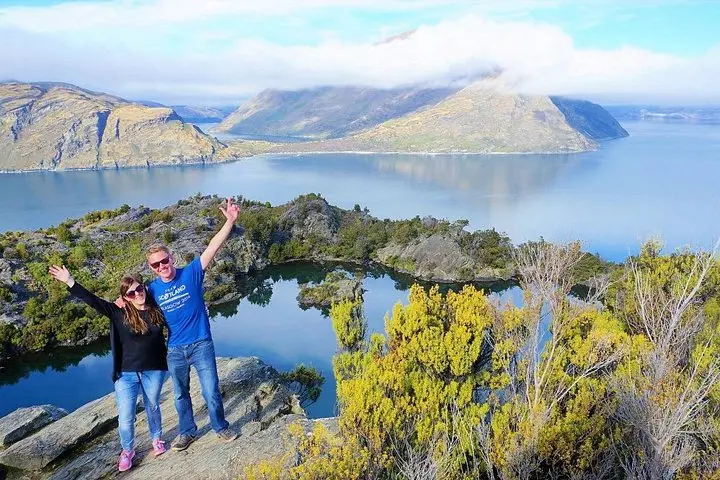
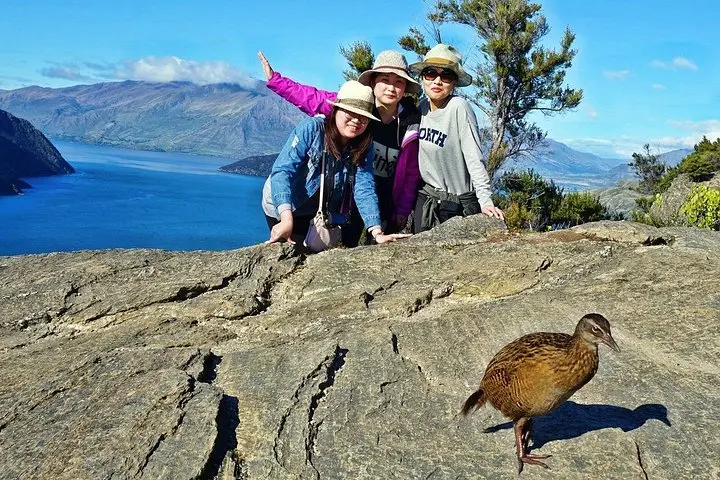
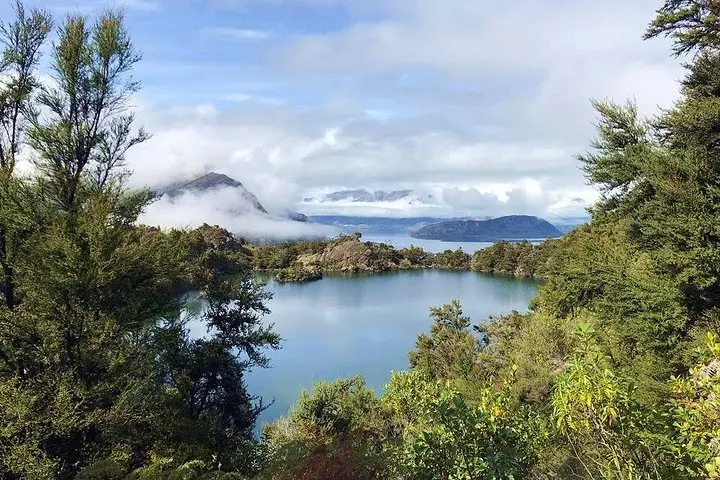
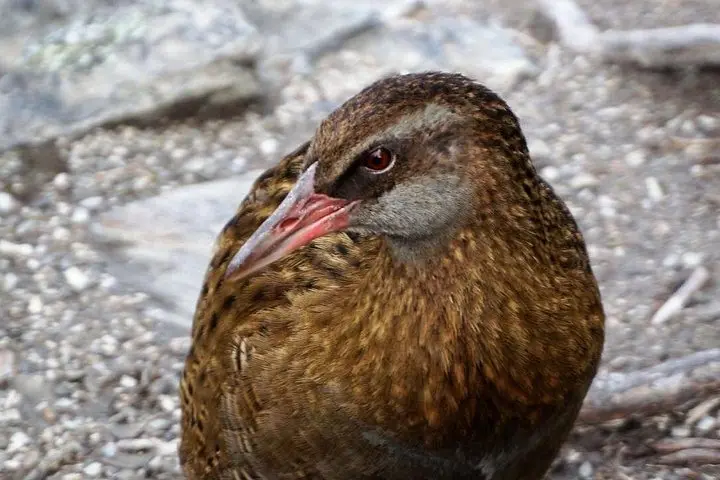
Mou Waho’s volcanic and glacial history is visible in rock outcrops and the perched lake at the summit — a lake on an island on a lake. The island also carries human stories: early 20th-century boat excursions and the small social escapes to nearby Ruby Island during prohibition-era parties punctuate local lore. Geologically, the area reflects Pleistocene sculpting; culturally, it reflects a strong Department of Conservation presence and community-led predator control that brought back species such as the Buff Weka.
Visitors disembark for a two-hour self-guided walk. Trails climb through mixed beech forest to open ridgelines and the tiny glacial tarn at the island’s crown. Expect uneven, rocky paths, short steep pitches and expansive lake views toward Treble Cone and Mount Aspiring’s ranges. Wildlife may be cautious but visible: flightless birds and skinks frequent quiet areas.
Practical note: bring sturdy shoes, windproof layers and water; the boat departs promptly from the Wanaka lakefront. The experience is best mornings when the wind is lighter and wildlife is more active. Respect signage — the island’s predator-free status depends on visitor discipline.
The self-guided portion is about two hours, covering mixed terrain and a climb to the perched glacial lake.
Yes — Department of Conservation park fees are included in the booking price.
No — the island trails are uneven and include steep sections; infants may be in carriers, but strollers are not suitable ashore.
You may encounter Buff Weka, native birds, geckos and insects like the Mountain Stone Weta; sightings are more likely in quieter areas.
Cruise Lake Wanaka Ltd operates guided outdoor trips and adventures with an emphasis on safety, stewardship, and memorable experiences.
A sharp wind from the Southern Alps skims Lake Wanaka as the 28-seat super taxi slips from Roys Bay. The skipper’s voice folds into the water’s hush, pointing out rocky headlands and the pale apron of glaciers that once carved the basin. Ahead, Mou Waho Island rises like a green knob, its slopes ringed by tussock and beech where a predator-free reserve gives native species room to roam.
A sharp wind from the Southern Alps skims Lake Wanaka as the 28-seat super taxi slips from Roys Bay. The skipper’s voice folds into the water’s hush, pointing out rocky headlands and the pale apron of glaciers that once carved the basin. Ahead, Mou Waho Island rises like a green knob, its slopes ringed by tussock and beech where a predator-free reserve gives native species room to roam.
Mou Waho’s volcanic and glacial history is visible in rock outcrops and the perched lake at the summit — a lake on an island on a lake. The island also carries human stories: early 20th-century boat excursions and the small social escapes to nearby Ruby Island during prohibition-era parties punctuate local lore. Geologically, the area reflects Pleistocene sculpting; culturally, it reflects a strong Department of Conservation presence and community-led predator control that brought back species such as the Buff Weka.
Visitors disembark for a two-hour self-guided walk. Trails climb through mixed beech forest to open ridgelines and the tiny glacial tarn at the island’s crown. Expect uneven, rocky paths, short steep pitches and expansive lake views toward Treble Cone and Mount Aspiring’s ranges. Wildlife may be cautious but visible: flightless birds and skinks frequent quiet areas.
Practical note: bring sturdy shoes, windproof layers and water; the boat departs promptly from the Wanaka lakefront. The experience is best mornings when the wind is lighter and wildlife is more active. Respect signage — the island’s predator-free status depends on visitor discipline.