THE ADVENTURE COLLECTIVE® · Independent discovery and booking for outdoor travel

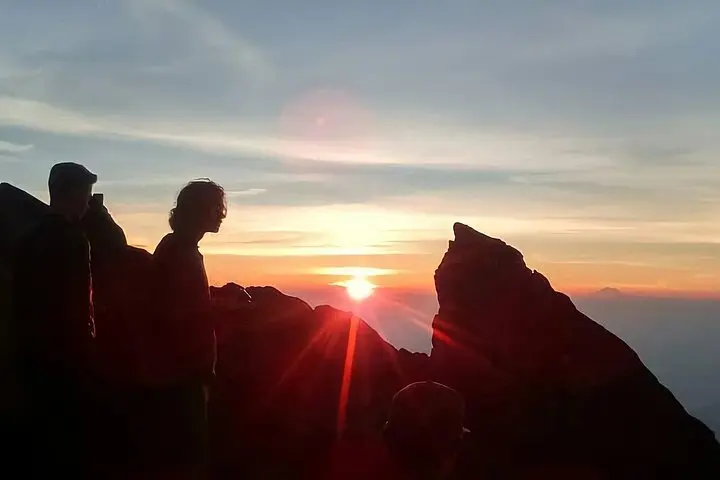
A demanding night ascent to Mount Agung rewards early starters with a roof-of-Bali sunrise over Mount Batur and distant Rinjani. This trek blends volcanic geology, Balinese ritual at Besakih, and a full-day physical challenge—plan for loose scree, early starts, and a local guide.
A demanding night ascent to Mount Agung rewards early starters with a roof-of-Bali sunrise over Mount Batur and distant Rinjani. This trek blends volcanic geology, Balinese ritual at Besakih, and a full-day physical challenge—plan for loose scree, early starts, and a local guide.
You step away from the glow of Besakih temple at night and the trail swallows the village light. Headlamp cones bounce off sharp volcanic rock and the forest breathes around you; the mountain seems to pull you upward, slow and insistent.
Verified experiences and guided adventures in the surrounding area.
Operated by Bali Trip Adventure · Amlapura, Bali
You step away from the glow of Besakih temple at night and the trail swallows the village light. Headlamp cones bounce off sharp volcanic rock and the forest breathes around you; the mountain seems to pull you upward, slow and insistent.
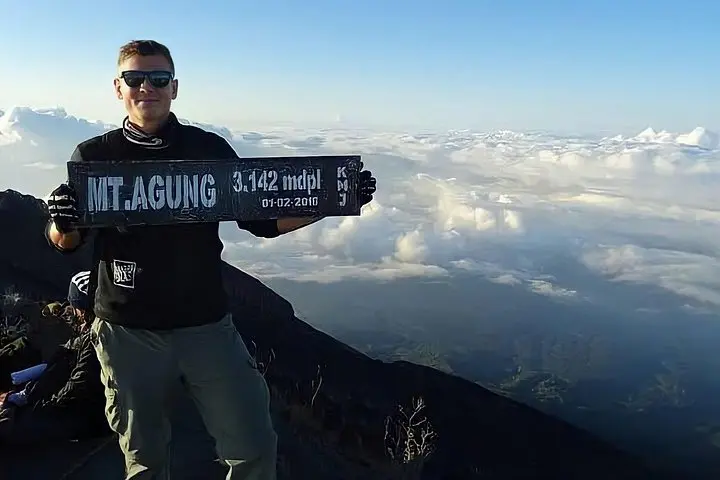
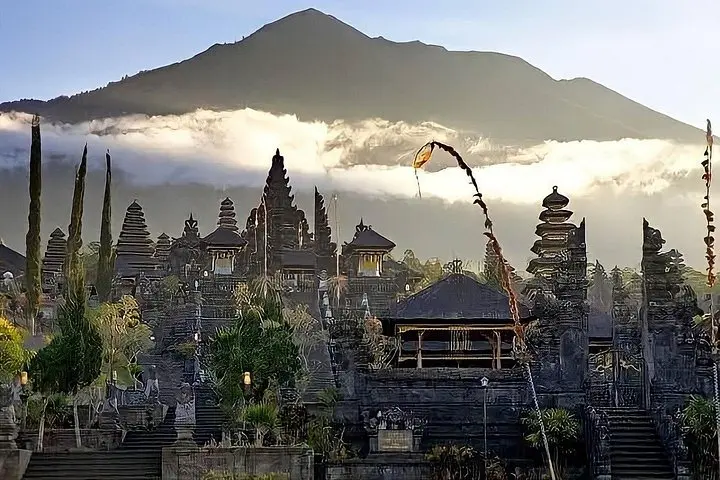
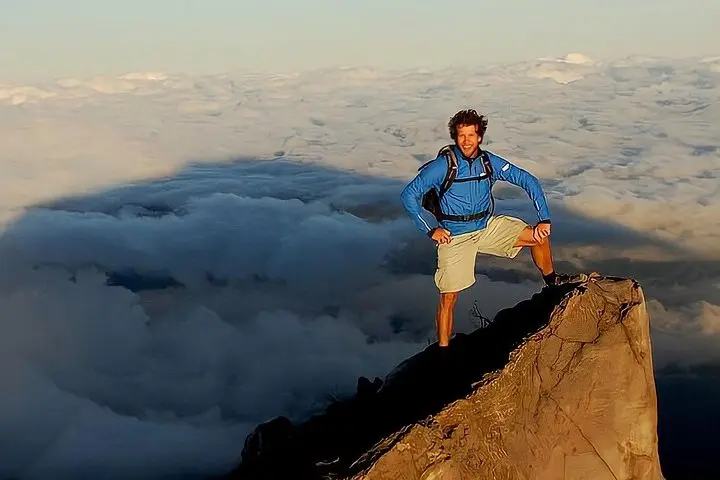
Mount Agung (3,031 m) is Bali’s highest peak and a living volcano whose eruptions and lahars have carved steep ridgelines and fertile valleys. Besakih, the island’s largest Hindu complex, occupies its lower slopes and has been a focal point for Balinese ritual life for centuries—climbing here is as much cultural as physical. From the summit, on a clear morning, the skyline opens to Mount Abang, Lake Batur and, on the clearest days, even Lombok’s Rinjani far to the east.
The ascent is long and steep: expect loose volcanic scree, forested sections, and exposed ridge walking in the final stages. Most groups start after dark to reach the summit around sunrise; a local guide is standard and helpful with route-finding and cultural context. This itinerary often includes a soak in a natural hot spring on the descent and a simple breakfast brought by the guide.
Practical edge: carry a reliable headlamp with spare batteries, 2–3 liters of water, warm layers for summit wind, and sturdy boots with good ankle support. Altitude and continuous steep climbing demand strong cardiovascular fitness and experience on loose terrain. Respect temple areas, follow your guide’s instructions on sacred sites, and allow extra time for variable weather—visibility can change quickly at dawn.
Mount Agung is about 3,031 m (9,944 ft); the rapid ascent can affect sensitive hikers—know your limits, acclimatize when possible, and descend if you feel unwell.
Groups typically depart late evening (local pickup often around 21:00) to reach the summit for sunrise; total outing time is usually 15–17 hours including transfers and breaks.
A knowledgeable local guide is strongly recommended for safety, navigation and cultural etiquette; some routes require park or temple access fees—confirm with your operator.
Expect mixed terrain: forest paths, steep dirt, and loose volcanic scree on upper slopes—good boots and careful footing are essential.
Bali Trip Adventure operates guided outdoor trips and adventures with an emphasis on safety, stewardship, and memorable experiences.
You step away from the glow of Besakih temple at night and the trail swallows the village light. Headlamp cones bounce off sharp volcanic rock and the forest breathes around you; the mountain seems to pull you upward, slow and insistent.
You step away from the glow of Besakih temple at night and the trail swallows the village light. Headlamp cones bounce off sharp volcanic rock and the forest breathes around you; the mountain seems to pull you upward, slow and insistent.
Mount Agung (3,031 m) is Bali’s highest peak and a living volcano whose eruptions and lahars have carved steep ridgelines and fertile valleys. Besakih, the island’s largest Hindu complex, occupies its lower slopes and has been a focal point for Balinese ritual life for centuries—climbing here is as much cultural as physical. From the summit, on a clear morning, the skyline opens to Mount Abang, Lake Batur and, on the clearest days, even Lombok’s Rinjani far to the east.
The ascent is long and steep: expect loose volcanic scree, forested sections, and exposed ridge walking in the final stages. Most groups start after dark to reach the summit around sunrise; a local guide is standard and helpful with route-finding and cultural context. This itinerary often includes a soak in a natural hot spring on the descent and a simple breakfast brought by the guide.
Practical edge: carry a reliable headlamp with spare batteries, 2–3 liters of water, warm layers for summit wind, and sturdy boots with good ankle support. Altitude and continuous steep climbing demand strong cardiovascular fitness and experience on loose terrain. Respect temple areas, follow your guide’s instructions on sacred sites, and allow extra time for variable weather—visibility can change quickly at dawn.