THE ADVENTURE COLLECTIVE® · Independent discovery and booking for outdoor travel

Climb Mount Agung before dawn with a private guide to reach the summit for sunrise over Bali and Lombok. Expect steep, often loose terrain, a predawn start, and panoramic volcanic views rewarded by a hot breakfast at the crater rim.
Climb Mount Agung before dawn with a private guide to reach the summit for sunrise over Bali and Lombok. Expect steep, often loose terrain, a predawn start, and panoramic volcanic views rewarded by a hot breakfast at the crater rim.
A small convoy of headlamps threads a dark path up Mount Agung, the volcano’s profile a low, watchful shape against the night. Guides crack quiet jokes to keep the pace steady while the jungle exhales mist into the beam of each torch. Step by step the trail shifts from packed soil to loose volcanic scree; the summit finally opens as a cold, wind-scoured lip where the sky begins to bruise from black to deep indigo.
Verified experiences and guided adventures in the surrounding area.
Operated by Mount Agung Sunrise Trekking · Rendang, Bali
A small convoy of headlamps threads a dark path up Mount Agung, the volcano’s profile a low, watchful shape against the night. Guides crack quiet jokes to keep the pace steady while the jungle exhales mist into the beam of each torch. Step by step the trail shifts from packed soil to loose volcanic scree; the summit finally opens as a cold, wind-scoured lip where the sky begins to bruise from black to deep indigo.
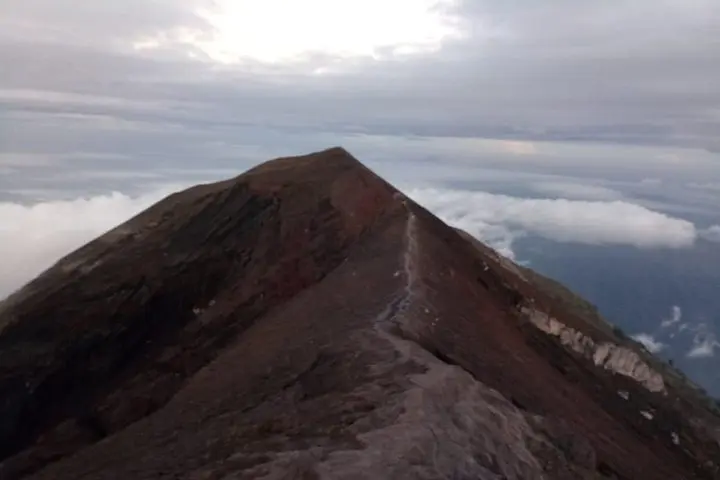
Geologically, Mount Agung is Bali’s highest peak and an active composite volcano that commands the eastern skyline. The route often skirts old lava flows and petrified ash; nearby Besakih Temple—the island’s largest Hindu complex—anchors the climb in cultural significance. Locals treat the mountain with reverence: the ascent is both a physical challenge and a visit to a sacred landscape.
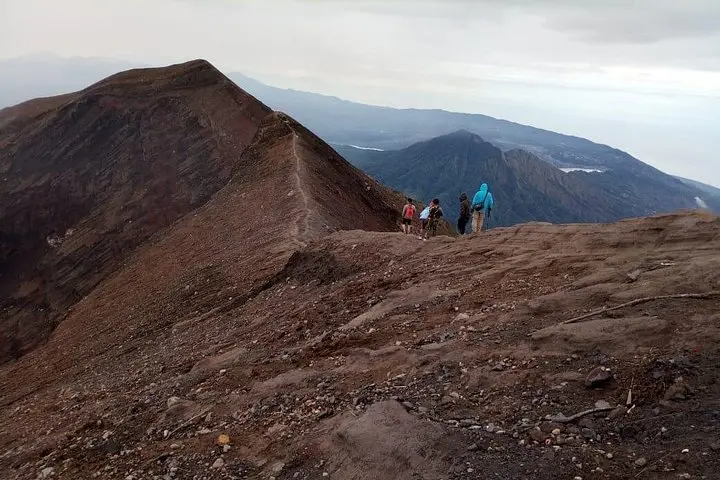
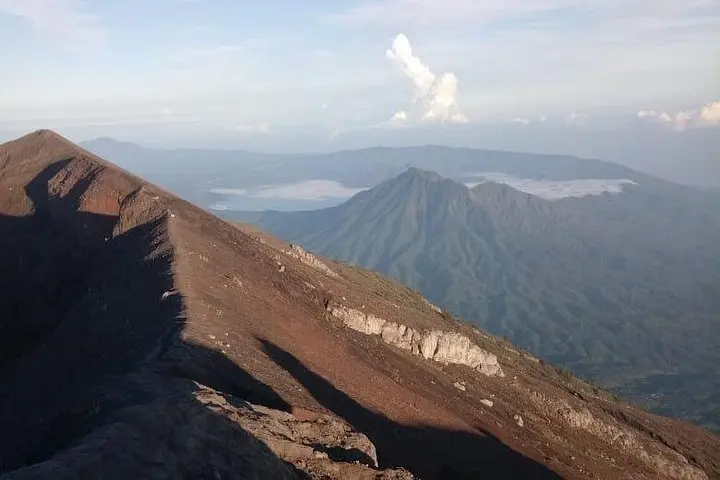
Expect steep stair-like sections, occasional slippery scree after rain, and a dawn that rewards effort with views over Bali toward Lombok’s Rinjani on clear days. The climb is done in darkness to reach the rim for sunrise; breakfast is usually served at the summit while the sky unfolds. Guides provide poles, torches, and local knowledge of safer lines on loose ground.
Practical guidance: start hydrated, layer for a rapid temperature change, and use a reliable headlamp with spare batteries. Wear grippy boots and be ready for sections that demand steady footing and short, powerful bursts of effort. Altitude is modest but the steep, uneven trail requires good balance and cardiovascular fitness. Aim to book a private guide, confirm pickup logistics from Ubud or nearby towns, and plan for a full-day excursion including transfers.
Most departures are around midnight to 1:00 AM so you reach the summit in time for sunrise; confirm exact pickup time with the operator.
The route is suitable for hikers with moderate-to-good fitness, but loose scree and steep sections make it challenging for first-time hikers without prior experience.
Local guides are required and included in private tours; they handle navigation, local customs, and safety. No special permit is typically needed for day climbs arranged through operators.
Operators provide snacks and a summit breakfast plus water during the hike, but carry an extra 1–2 liters and personal energy snacks for longer exertion or to your preference.
Mount Agung Sunrise Trekking operates guided outdoor trips and adventures with an emphasis on safety, stewardship, and memorable experiences.
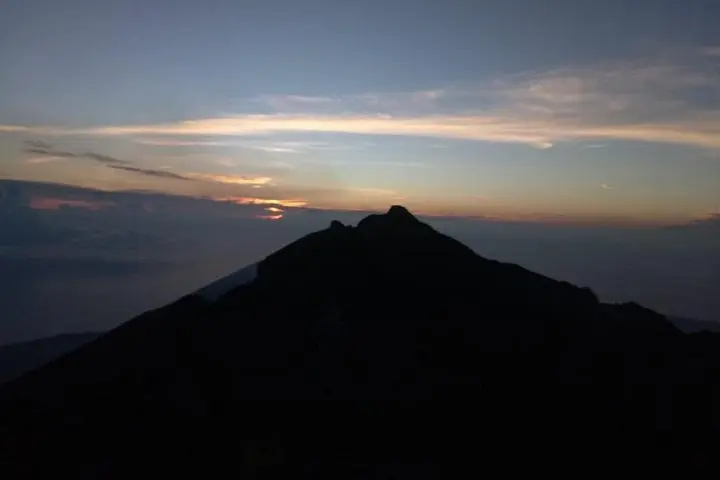
A small convoy of headlamps threads a dark path up Mount Agung, the volcano’s profile a low, watchful shape against the night. Guides crack quiet jokes to keep the pace steady while the jungle exhales mist into the beam of each torch. Step by step the trail shifts from packed soil to loose volcanic scree; the summit finally opens as a cold, wind-scoured lip where the sky begins to bruise from black to deep indigo.
A small convoy of headlamps threads a dark path up Mount Agung, the volcano’s profile a low, watchful shape against the night. Guides crack quiet jokes to keep the pace steady while the jungle exhales mist into the beam of each torch. Step by step the trail shifts from packed soil to loose volcanic scree; the summit finally opens as a cold, wind-scoured lip where the sky begins to bruise from black to deep indigo.
Geologically, Mount Agung is Bali’s highest peak and an active composite volcano that commands the eastern skyline. The route often skirts old lava flows and petrified ash; nearby Besakih Temple—the island’s largest Hindu complex—anchors the climb in cultural significance. Locals treat the mountain with reverence: the ascent is both a physical challenge and a visit to a sacred landscape.
Expect steep stair-like sections, occasional slippery scree after rain, and a dawn that rewards effort with views over Bali toward Lombok’s Rinjani on clear days. The climb is done in darkness to reach the rim for sunrise; breakfast is usually served at the summit while the sky unfolds. Guides provide poles, torches, and local knowledge of safer lines on loose ground.
Practical guidance: start hydrated, layer for a rapid temperature change, and use a reliable headlamp with spare batteries. Wear grippy boots and be ready for sections that demand steady footing and short, powerful bursts of effort. Altitude is modest but the steep, uneven trail requires good balance and cardiovascular fitness. Aim to book a private guide, confirm pickup logistics from Ubud or nearby towns, and plan for a full-day excursion including transfers.