THE ADVENTURE COLLECTIVE® · Independent discovery and booking for outdoor travel

A full-day private hike up Mount Batilamu in Koroyanitu Heritage Park combines steady uphill trekking with village hospitality. Expect 10–12 km of mixed terrain, native forest, a waterfall loop and a home-cooked Fijian lunch.
A full-day private hike up Mount Batilamu in Koroyanitu Heritage Park combines steady uphill trekking with village hospitality. Expect 10–12 km of mixed terrain, native forest, a waterfall loop and a home-cooked Fijian lunch.
The morning opens on a narrow Fiji road as your van climbs out of the coastal heat toward Abaca Village; a ribbon of rainforest rises up and the mountain seems to watch you approach. By the time you step onto the trail the air is cooler, leaves drip from last night’s humidity, and the ridge ahead dares you upward.
Verified experiences and guided adventures in the surrounding area.
Operated by Toursbylocalsfijiwithpenidovi · Abaca Village, Western Division
The morning opens on a narrow Fiji road as your van climbs out of the coastal heat toward Abaca Village; a ribbon of rainforest rises up and the mountain seems to watch you approach. By the time you step onto the trail the air is cooler, leaves drip from last night’s humidity, and the ridge ahead dares you upward.
Mount Batilamu sits inside Koroyanitu Heritage Park, a patch of native forest on Viti Levu’s western slopes. Geologically the area is compact volcanic terrain—steep ridgelines, old lava flows hidden beneath rich tropical soil—and the hike alternates sunlit clearings with shaded lahar gullies. The route climbs roughly 400–700 m depending on approach, with steep sections and a loop that finishes at a moderate waterfall where villagers still collect water and tend small plots.
Culturally the trail threads village life: Abaca’s hosts prepare a Fijian lunch and share local stories, giving context to the park’s community-managed conservation ethos. Expect native birds and occasional skittering lizards; the landscape is less manicured trail and more active mountain.
Practically: this is a full-day, 10–12 km outing with 2–3 hours of uphill hiking each way and a total outing of about 8–9 hours including drive and village time. Wear grippy hiking shoes, bring 1.5–2 L water, a lightweight rain shell and sun protection, and budget extra time for photo stops. Guides are local and the pace suits moderately fit hikers prepared for steady climbs and muddy, rooty terrain.
Expect 10–12 km total with around 2–3 hours uphill each way; the full experience including drive, village lunch and transfers runs about 8–9 hours.
The tour is private and flexible, but the climb is sustained and uneven; children should be energetic and experienced hikers, and those with limited mobility are not recommended.
Tours may be canceled in heavy rain for safety; light showers are common and the guide usually proceeds with caution—bring a rain shell.
The operator includes private transport and lunch; confirm with the provider whether any local park fees or community contributions are covered in your booking.
Toursbylocalsfijiwithpenidovi operates guided outdoor trips and adventures with an emphasis on safety, stewardship, and memorable experiences.
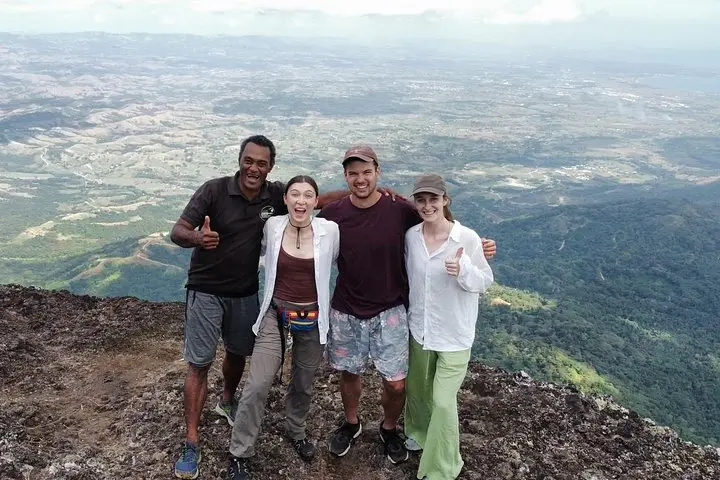
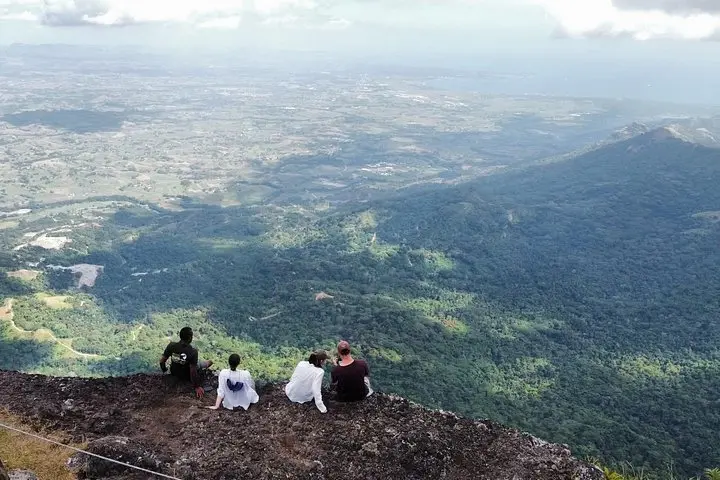
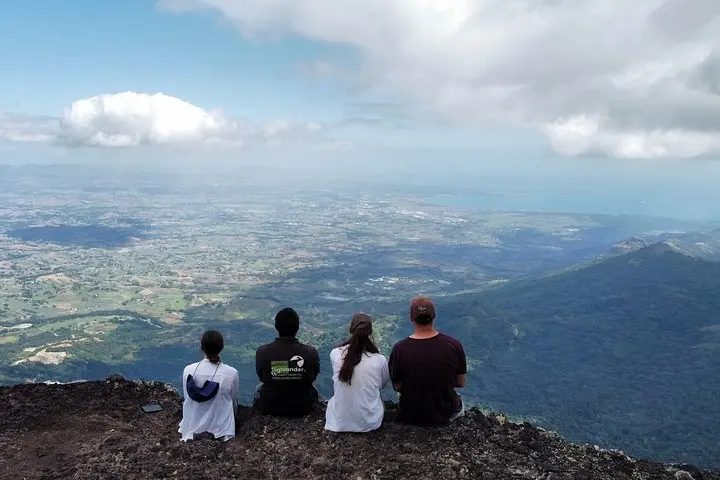
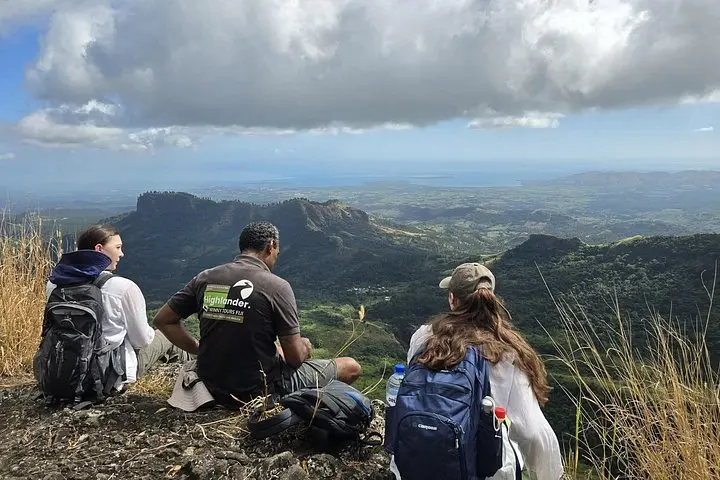
The morning opens on a narrow Fiji road as your van climbs out of the coastal heat toward Abaca Village; a ribbon of rainforest rises up and the mountain seems to watch you approach. By the time you step onto the trail the air is cooler, leaves drip from last night’s humidity, and the ridge ahead dares you upward.
The morning opens on a narrow Fiji road as your van climbs out of the coastal heat toward Abaca Village; a ribbon of rainforest rises up and the mountain seems to watch you approach. By the time you step onto the trail the air is cooler, leaves drip from last night’s humidity, and the ridge ahead dares you upward.
Mount Batilamu sits inside Koroyanitu Heritage Park, a patch of native forest on Viti Levu’s western slopes. Geologically the area is compact volcanic terrain—steep ridgelines, old lava flows hidden beneath rich tropical soil—and the hike alternates sunlit clearings with shaded lahar gullies. The route climbs roughly 400–700 m depending on approach, with steep sections and a loop that finishes at a moderate waterfall where villagers still collect water and tend small plots.
Culturally the trail threads village life: Abaca’s hosts prepare a Fijian lunch and share local stories, giving context to the park’s community-managed conservation ethos. Expect native birds and occasional skittering lizards; the landscape is less manicured trail and more active mountain.
Practically: this is a full-day, 10–12 km outing with 2–3 hours of uphill hiking each way and a total outing of about 8–9 hours including drive and village time. Wear grippy hiking shoes, bring 1.5–2 L water, a lightweight rain shell and sun protection, and budget extra time for photo stops. Guides are local and the pace suits moderately fit hikers prepared for steady climbs and muddy, rooty terrain.