THE ADVENTURE COLLECTIVE® · Independent discovery and booking for outdoor travel

Climb Mount Batur before dawn to watch the sunrise spill over the caldera, enjoy a simple summit breakfast, then cool off beneath a hidden Bali waterfall. This private full-day trip mixes volcanic landscape, local culture, and an active outdoors finish.
Climb Mount Batur before dawn to watch the sunrise spill over the caldera, enjoy a simple summit breakfast, then cool off beneath a hidden Bali waterfall. This private full-day trip mixes volcanic landscape, local culture, and an active outdoors finish.
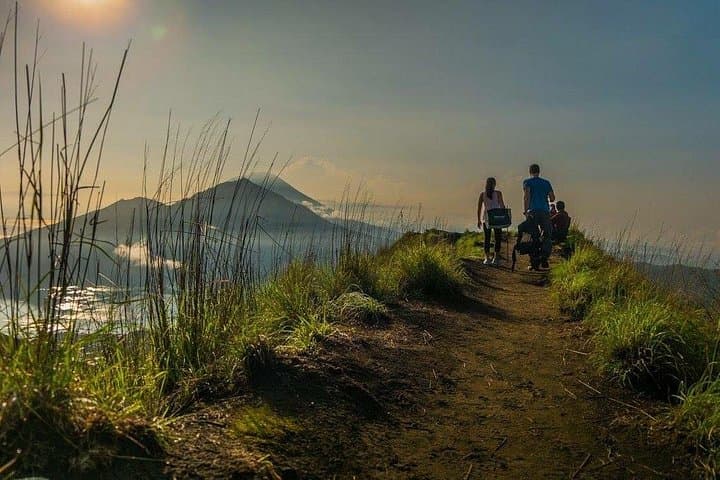
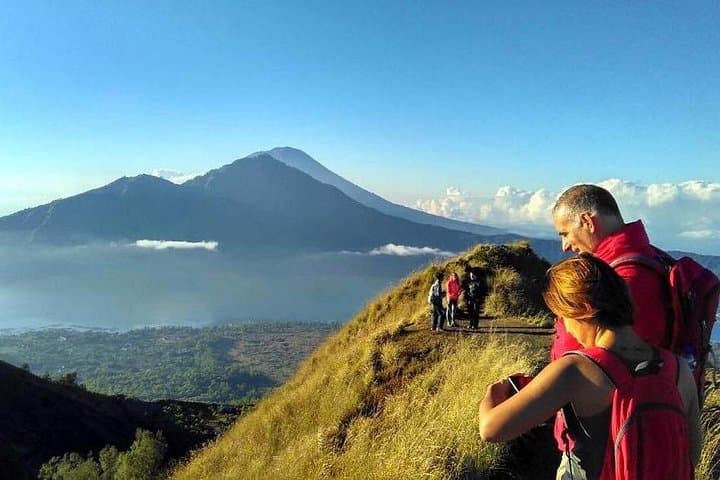
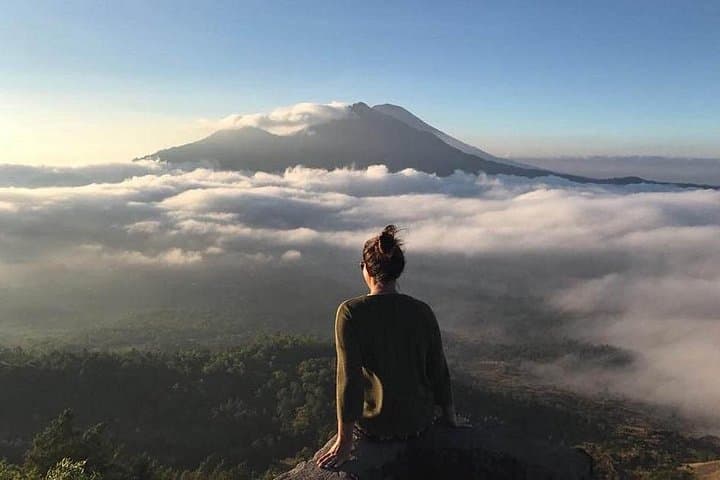
Before dawn a line of headlamps crawls across a black slope, like fireflies negotiating a giant’s spine. The guides move with calm urgency, and the air carries the sharp, metallic scent of volcanic soil. By the time the trail eases onto the crater rim, the sky has begun to pale; a molten band of orange lifts above Lake Batur and the caldera spreads below, steam and cloud trading places with light. Breakfast is plain and warming—coffee, boiled eggs—eaten against a view that feels both immediate and ancient.
Verified experiences and guided adventures in the surrounding area.
Operated by Your bali trekking tour · Kintamani, Bali
Before dawn a line of headlamps crawls across a black slope, like fireflies negotiating a giant’s spine. The guides move with calm urgency, and the air carries the sharp, metallic scent of volcanic soil. By the time the trail eases onto the crater rim, the sky has begun to pale; a molten band of orange lifts above Lake Batur and the caldera spreads below, steam and cloud trading places with light. Breakfast is plain and warming—coffee, boiled eggs—eaten against a view that feels both immediate and ancient.
Mount Batur is one of Bali’s most accessible active volcanoes, a broad caldera carved by an eruption around 29,300 years ago and reshaped many times since. The present peak rises to about 1,717 meters and its slopes are a patchwork of lava flows, black pumice, and cultivated terraces. Locals consider the mountain sacred; Balinese offerings and small shrines dot the route and the surrounding villages, tying a living culture to a restless geological history.
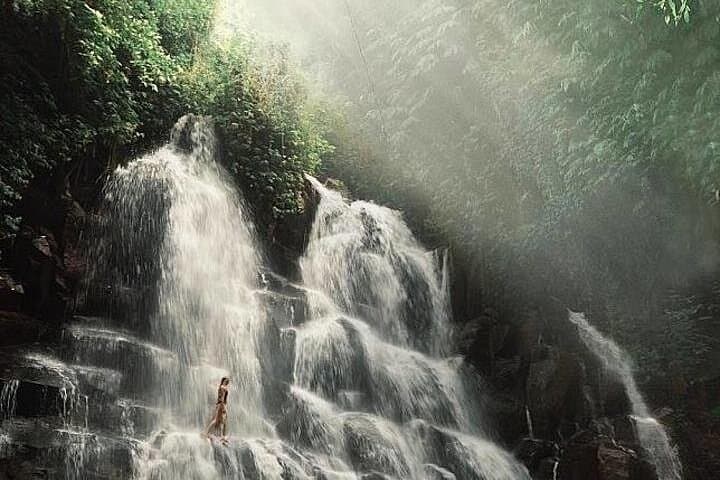
The hike itself is honest work: roughly 4–6 km round trip with about 500–700 meters of elevation gain depending on the meeting point, typically climbed in 1.5–2 hours on the ascent and an hour down. The trail alternates loose volcanic scree, carved steps, and steeper switchbacks where boots grip against fine cinder. On descent the landscape loosens—paddy fields reappear, and the sound of water returns. The tour pairs the summit with a dip under a nearby hidden waterfall—options often include Kanto Lampo or Tibumana—where a cool plunge rinses away the overnight chill.
Practical edge: tours begin very early (pickup often between 1:30–2:30am from Bali’s main zones), so plan for early sleep, electrolyte-rich hydration, and a small daypack. Guides know the line of best ascent and will pace groups so sunrise lands at the summit. Weather can flip quickly; expect strong sun after dawn and chilly winds at the rim.
For photographers, the rim offers layered compositions—foreground lichen and rock, midground caldera and lake, and a vast sky. For culture-minded travelers, stop by Toya Bungkah hot springs afterward or visit local farms on the route down to see Bali’s working landscape.
This private, full-day outing typically includes hotel pickup, bottled water, guide/driver service, and a simple summit breakfast. It’s suited to travelers with a moderate fitness base and a taste for an early alarm and big rewards: a sunrise that literally rewrites the island each morning it appears.
Expect about 1.5–2 hours to ascend and roughly 1 hour to descend; total walking distance is typically 4–6 km round trip depending on the trailhead used.
Travelers with basic fitness who can manage uneven steps and steep sections will do fine; guides keep a steady pace and the tour is privately guided.
Pickup times vary by area—common windows are 1:30am from southern hubs (Nusa Dua, Kuta), 2:00am Denpasar/Sanur, and 2:30am from Ubud/Kintamani.
Local guides usually arrange access; a small park fee or entrance charge is common and is handled as part of the tour logistics.
Yes—most waterfalls on the itinerary have pools suitable for swimming, though water depth and current vary after heavy rain; follow your guide’s advice.
Basic facilities are available near trailheads and at the summit area; expect simple, often squat-style toilets at stops.
Your bali trekking tour operates guided outdoor trips and adventures with an emphasis on safety, stewardship, and memorable experiences.
Before dawn a line of headlamps crawls across a black slope, like fireflies negotiating a giant’s spine. The guides move with calm urgency, and the air carries the sharp, metallic scent of volcanic soil. By the time the trail eases onto the crater rim, the sky has begun to pale; a molten band of orange lifts above Lake Batur and the caldera spreads below, steam and cloud trading places with light. Breakfast is plain and warming—coffee, boiled eggs—eaten against a view that feels both immediate and ancient.
Before dawn a line of headlamps crawls across a black slope, like fireflies negotiating a giant’s spine. The guides move with calm urgency, and the air carries the sharp, metallic scent of volcanic soil. By the time the trail eases onto the crater rim, the sky has begun to pale; a molten band of orange lifts above Lake Batur and the caldera spreads below, steam and cloud trading places with light. Breakfast is plain and warming—coffee, boiled eggs—eaten against a view that feels both immediate and ancient.
Mount Batur is one of Bali’s most accessible active volcanoes, a broad caldera carved by an eruption around 29,300 years ago and reshaped many times since. The present peak rises to about 1,717 meters and its slopes are a patchwork of lava flows, black pumice, and cultivated terraces. Locals consider the mountain sacred; Balinese offerings and small shrines dot the route and the surrounding villages, tying a living culture to a restless geological history.
The hike itself is honest work: roughly 4–6 km round trip with about 500–700 meters of elevation gain depending on the meeting point, typically climbed in 1.5–2 hours on the ascent and an hour down. The trail alternates loose volcanic scree, carved steps, and steeper switchbacks where boots grip against fine cinder. On descent the landscape loosens—paddy fields reappear, and the sound of water returns. The tour pairs the summit with a dip under a nearby hidden waterfall—options often include Kanto Lampo or Tibumana—where a cool plunge rinses away the overnight chill.
Practical edge: tours begin very early (pickup often between 1:30–2:30am from Bali’s main zones), so plan for early sleep, electrolyte-rich hydration, and a small daypack. Guides know the line of best ascent and will pace groups so sunrise lands at the summit. Weather can flip quickly; expect strong sun after dawn and chilly winds at the rim.
For photographers, the rim offers layered compositions—foreground lichen and rock, midground caldera and lake, and a vast sky. For culture-minded travelers, stop by Toya Bungkah hot springs afterward or visit local farms on the route down to see Bali’s working landscape.
This private, full-day outing typically includes hotel pickup, bottled water, guide/driver service, and a simple summit breakfast. It’s suited to travelers with a moderate fitness base and a taste for an early alarm and big rewards: a sunrise that literally rewrites the island each morning it appears.