THE ADVENTURE COLLECTIVE® · Independent discovery and booking for outdoor travel

Climb Mount Batur before dawn to watch sunlight wash the clouds away, eat breakfast cooked by volcanic steam, then ease sore muscles in natural hot springs by Lake Batur. This classic Bali hike pairs dramatic geology with local culture and a practical, rewarding finish.
Climb Mount Batur before dawn to watch sunlight wash the clouds away, eat breakfast cooked by volcanic steam, then ease sore muscles in natural hot springs by Lake Batur. This classic Bali hike pairs dramatic geology with local culture and a practical, rewarding finish.
Before dawn the trail becomes a thread of headlamps climbing through black volcanic sand and low eucalyptus. The air is thin and clean; each step brings you higher until the horizon lightens and the sun pries color out of the cloud deck below. From the rim of Mount Batur the crater lip frames Lake Batur and a sweep of Bali’s central highlands — steam rising from fumaroles while guides set up pans to cook breakfast with volcanic heat.
Verified experiences and guided adventures in the surrounding area.
Operated by Ubud Drivers Bali · Kintamani, Bali
Before dawn the trail becomes a thread of headlamps climbing through black volcanic sand and low eucalyptus. The air is thin and clean; each step brings you higher until the horizon lightens and the sun pries color out of the cloud deck below. From the rim of Mount Batur the crater lip frames Lake Batur and a sweep of Bali’s central highlands — steam rising from fumaroles while guides set up pans to cook breakfast with volcanic heat.
Mount Batur sits inside a large caldera formed by massive eruptions over millennia; its 1,717 m summit is geologically young and still active, shaping local agriculture, water sources and temple rituals. The route threads past lava fields, occasional banyan trees and small shrines where villagers make offerings — a reminder this is both a natural and cultural landscape.
Expect a steep, 2–3 hour roundtrip hike on loose ash and rocky steps, about 5–6 km roundtrip with 500–700 m elevation gain depending on the trailhead. Trails are well-marked but can be slippery; sunrise crowds add a steady flow. After descending, many tours include a soak at nearby hot springs that tap geothermally heated water and look over Lake Batur.
Practical tips: start very early to avoid heat and crowds, bring a headlamp, layered clothing for chilly summit winds, sturdy shoes with good grip and cash for entrance fees and tips. Respect temple sites and local guides, pack out trash, and allow time to warm up after the soak before returning to your hotel — the drive back to Ubud or Seminyak can be an hour or more.
Typical hikes are 2–3 hours roundtrip on a 5–6 km route, but total tour time including transport and hot springs is usually 6–8 hours.
Many beginner hikers complete it with a guide, but you should have basic fitness and be able to manage steep, uneven terrain for up to two hours.
Bring a swimsuit, flip-flops and a towel; changing facilities vary by location so a cover-up and dry bag are helpful.
Guides are not mandatory but are recommended for safety, route-finding in the dark and interpretation of local sites and geology.
Ubud Drivers Bali operates guided outdoor trips and adventures with an emphasis on safety, stewardship, and memorable experiences.
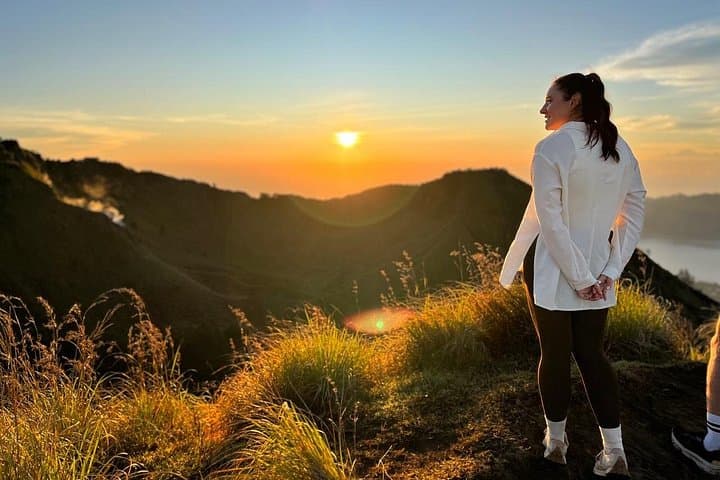
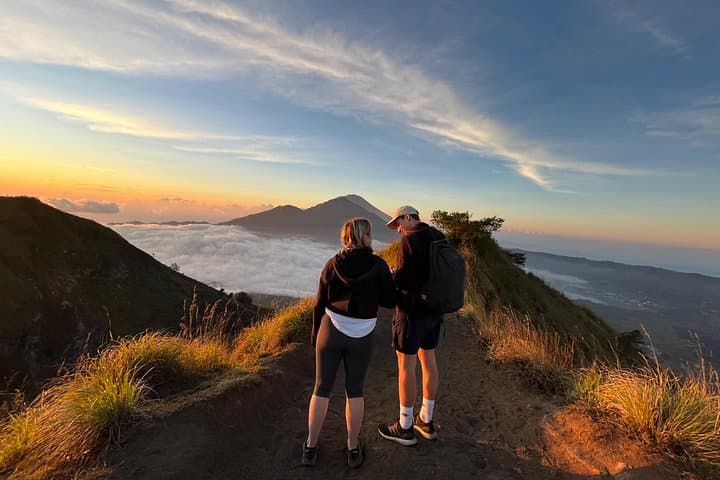
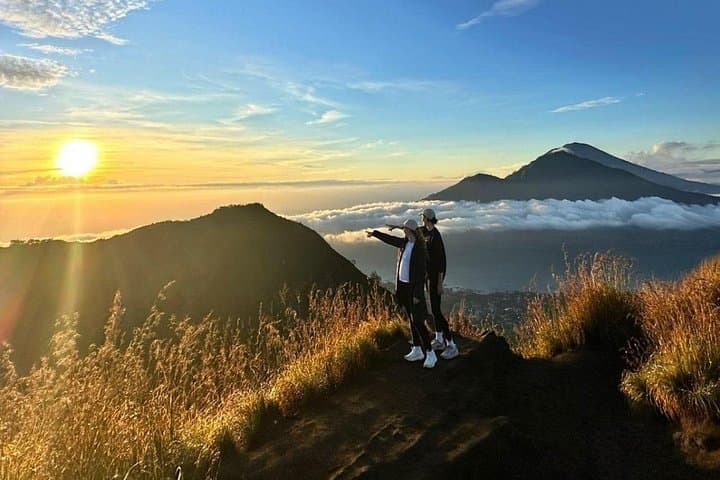
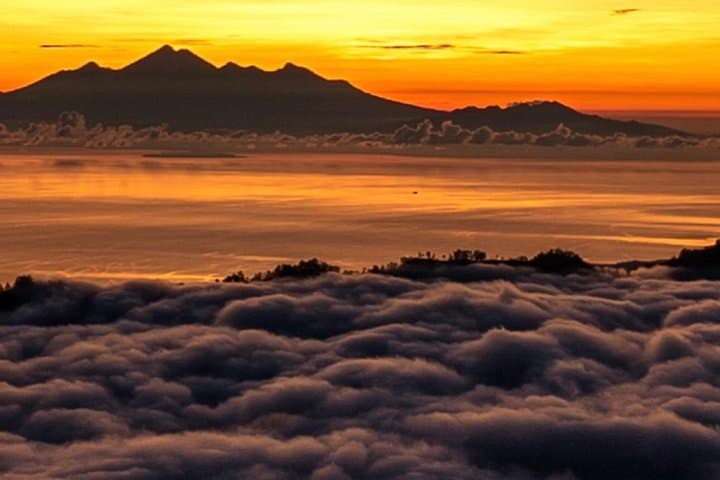
Before dawn the trail becomes a thread of headlamps climbing through black volcanic sand and low eucalyptus. The air is thin and clean; each step brings you higher until the horizon lightens and the sun pries color out of the cloud deck below. From the rim of Mount Batur the crater lip frames Lake Batur and a sweep of Bali’s central highlands — steam rising from fumaroles while guides set up pans to cook breakfast with volcanic heat.
Before dawn the trail becomes a thread of headlamps climbing through black volcanic sand and low eucalyptus. The air is thin and clean; each step brings you higher until the horizon lightens and the sun pries color out of the cloud deck below. From the rim of Mount Batur the crater lip frames Lake Batur and a sweep of Bali’s central highlands — steam rising from fumaroles while guides set up pans to cook breakfast with volcanic heat.
Mount Batur sits inside a large caldera formed by massive eruptions over millennia; its 1,717 m summit is geologically young and still active, shaping local agriculture, water sources and temple rituals. The route threads past lava fields, occasional banyan trees and small shrines where villagers make offerings — a reminder this is both a natural and cultural landscape.
Expect a steep, 2–3 hour roundtrip hike on loose ash and rocky steps, about 5–6 km roundtrip with 500–700 m elevation gain depending on the trailhead. Trails are well-marked but can be slippery; sunrise crowds add a steady flow. After descending, many tours include a soak at nearby hot springs that tap geothermally heated water and look over Lake Batur.
Practical tips: start very early to avoid heat and crowds, bring a headlamp, layered clothing for chilly summit winds, sturdy shoes with good grip and cash for entrance fees and tips. Respect temple sites and local guides, pack out trash, and allow time to warm up after the soak before returning to your hotel — the drive back to Ubud or Seminyak can be an hour or more.