THE ADVENTURE COLLECTIVE® · Independent discovery and booking for outdoor travel

Climb before dawn to watch sunrise from Mount Batur’s rim, then enjoy a volcanic-steamed breakfast while the valley unfolds below. This guided, all-inclusive trek offers manageable terrain, local insight, and a dramatic payoff at the summit.
Climb before dawn to watch sunrise from Mount Batur’s rim, then enjoy a volcanic-steamed breakfast while the valley unfolds below. This guided, all-inclusive trek offers manageable terrain, local insight, and a dramatic payoff at the summit.
A headlamp beam splits the pre-dawn dark as a small group threads a volcanic trail toward Mount Batur's rim. Cool air sharpens each breath; footsteps kick up volcanic grit. By the time the horizon lightens, the crater spills steam and the sun lifts over a serrated line of mountains and Lake Batur below — an immediate, physical answer to why people climb at 3 a.m.
Verified experiences and guided adventures in the surrounding area.
Operated by Jero Bali Trekking Tour · Kintamani, Bali
A headlamp beam splits the pre-dawn dark as a small group threads a volcanic trail toward Mount Batur's rim. Cool air sharpens each breath; footsteps kick up volcanic grit. By the time the horizon lightens, the crater spills steam and the sun lifts over a serrated line of mountains and Lake Batur below — an immediate, physical answer to why people climb at 3 a.m.
Geology is loud here: Batur sits inside a larger caldera with a history of eruptions and ongoing geothermal activity. The slopes are young lava and ash, with black rock and loose scree underfoot; morning steam and the smell of warmed earth hint at subterranean heat. Culturally, Kintamani is part of Bali’s living landscape — temples on the rim and local communities that serve coffee and simple breakfasts to visitors.
Expect a steep, compact climb: roughly 3 km one-way with ~600–800 m elevation gain depending on start point, usually 1–2 hours up and 45–90 minutes down on uneven, rocky trail. Guides lead groups of up to 15, provide a simple breakfast cooked with volcanic steam, and manage timing so you reach the summit for sunrise.
Practical edge: wear sturdy boots with good grip, bring a reliable headlamp and 1–2 liters of water, and layer for a chilly summit that warms quickly after sunrise. The path can be slippery in the wet season; plan extra time for descent. Respect local shrines, stay with your guide, and pack out trash — the ridge is fragile and the views are earned.
Typical trekking time is 1–2 hours up and 45–90 minutes down over roughly 3 km one-way with about 600–800 m elevation gain; difficulty is moderate but can feel steep in places.
Yes — tours include an English-speaking trekking guide and a simple volcanic-steamed breakfast at the summit (banana sandwich, egg, fruit, hot drink).
Wear hiking boots, layered clothing for chilly mornings, a headlamp, at least 1 liter of water, and a light rain jacket during the wet season.
The trek is suitable for most ages with reasonable fitness; it’s not recommended for pregnant travelers or those with serious cardiovascular or spinal issues.
Jero Bali Trekking Tour operates guided outdoor trips and adventures with an emphasis on safety, stewardship, and memorable experiences.
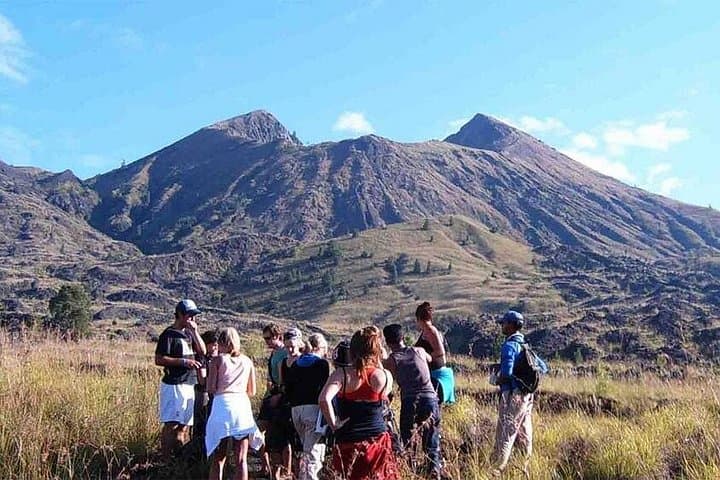
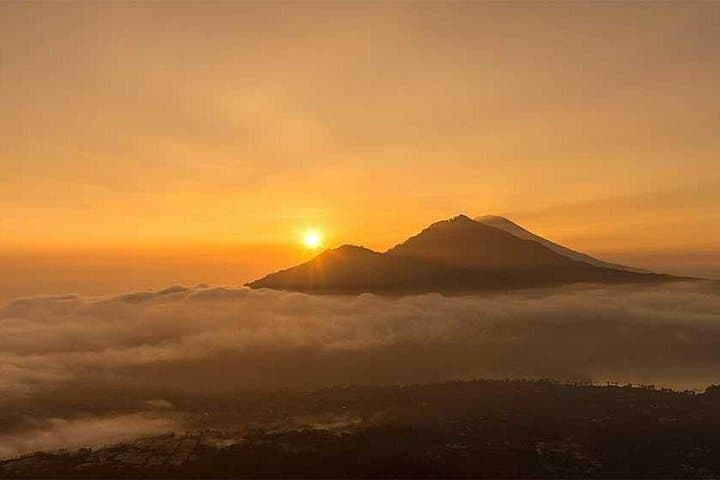
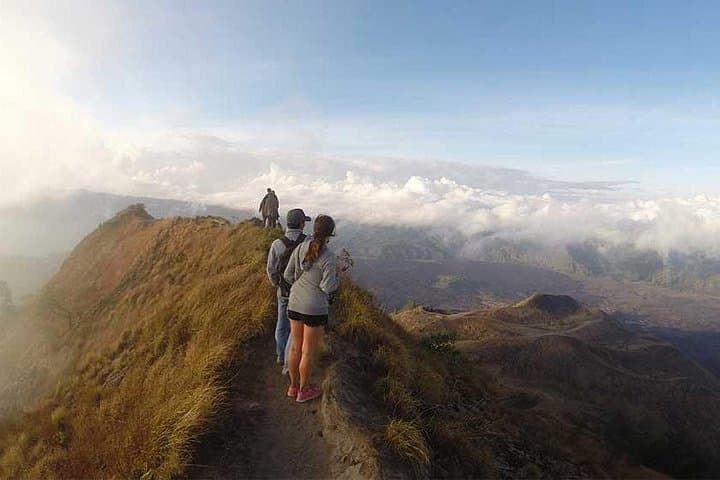
A headlamp beam splits the pre-dawn dark as a small group threads a volcanic trail toward Mount Batur's rim. Cool air sharpens each breath; footsteps kick up volcanic grit. By the time the horizon lightens, the crater spills steam and the sun lifts over a serrated line of mountains and Lake Batur below — an immediate, physical answer to why people climb at 3 a.m.
A headlamp beam splits the pre-dawn dark as a small group threads a volcanic trail toward Mount Batur's rim. Cool air sharpens each breath; footsteps kick up volcanic grit. By the time the horizon lightens, the crater spills steam and the sun lifts over a serrated line of mountains and Lake Batur below — an immediate, physical answer to why people climb at 3 a.m.
Geology is loud here: Batur sits inside a larger caldera with a history of eruptions and ongoing geothermal activity. The slopes are young lava and ash, with black rock and loose scree underfoot; morning steam and the smell of warmed earth hint at subterranean heat. Culturally, Kintamani is part of Bali’s living landscape — temples on the rim and local communities that serve coffee and simple breakfasts to visitors.
Expect a steep, compact climb: roughly 3 km one-way with ~600–800 m elevation gain depending on start point, usually 1–2 hours up and 45–90 minutes down on uneven, rocky trail. Guides lead groups of up to 15, provide a simple breakfast cooked with volcanic steam, and manage timing so you reach the summit for sunrise.
Practical edge: wear sturdy boots with good grip, bring a reliable headlamp and 1–2 liters of water, and layer for a chilly summit that warms quickly after sunrise. The path can be slippery in the wet season; plan extra time for descent. Respect local shrines, stay with your guide, and pack out trash — the ridge is fragile and the views are earned.