THE ADVENTURE COLLECTIVE® · Independent discovery and booking for outdoor travel

Climb Mount Batur before dawn for a dramatic sunrise over the caldera, then warm up with Balinese coffee. This guided trek combines volcanic scenery, manageable scrambling, and a post‑hike visit to a local coffee plantation.
Climb Mount Batur before dawn for a dramatic sunrise over the caldera, then warm up with Balinese coffee. This guided trek combines volcanic scenery, manageable scrambling, and a post‑hike visit to a local coffee plantation.
You step out of the van before dawn, the air sharp with altitude and the sky a deep indigo pierced by stars. Footsteps crunch on volcanic scree as your guide sets a steady pace; the dark caldera ahead breathes steam and expectations. By the time the horizon lightens, the summit rewards you with a sky that shifts from cobalt to molten orange while the crater lake mirrors the new day.
Verified experiences and guided adventures in the surrounding area.
Operated by Krisna Bali Trekking Tour · Kintamani, Bali
You step out of the van before dawn, the air sharp with altitude and the sky a deep indigo pierced by stars. Footsteps crunch on volcanic scree as your guide sets a steady pace; the dark caldera ahead breathes steam and expectations. By the time the horizon lightens, the summit rewards you with a sky that shifts from cobalt to molten orange while the crater lake mirrors the new day.
Mount Batur sits inside a larger caldera formed by ancient collapses and more recent eruptions; its geology is raw — black lava fields, pumice ridges and a steaming rim shaped in the last century. The area has long been part of Balinese agricultural life, with villages like Toya Bungkah drawing water from geothermal springs and farms fed by volcanic soil. Cultural life is visible in small shrines on the trail and coffee farms that support local families.
Practically, expect steep, loose sections and a mix of packed earth and volcanic gravel; the standard guided itinerary uses a pre-dawn start, 60–90 minutes to the summit for average hikers, a short crater loop, then descent. Hydrate before you leave, layer for cold at the top (it can be 0–10°C), and bring a headlamp and solid footwear for the scree. After the hike, most tours stop at a coffee plantation in Kintamani — a good place to warm up and try local brews like kopi luwak.
This is a high-value, moderate-altitude hike: minimal technical skill required, but respect for terrain and weather makes for a safe, unforgettable sunrise.
Expect roughly 60–90 minutes ascending depending on fitness and pace, with an additional crater loop and descent totaling about 2–3 hours on foot.
No technical climbing skills are needed, but you should be comfortable on uneven, steep terrain and have a moderate fitness level.
Wear layered clothing, grippy footwear, a headlamp, at least 1 liter of water, and a light snack; a small windproof jacket is recommended for the summit.
Tours can be canceled or postponed for safety; visibility affects the sunrise view but guides often still run the trek for the experience and geothermal scenery.
Krisna Bali Trekking Tour operates guided outdoor trips and adventures with an emphasis on safety, stewardship, and memorable experiences.
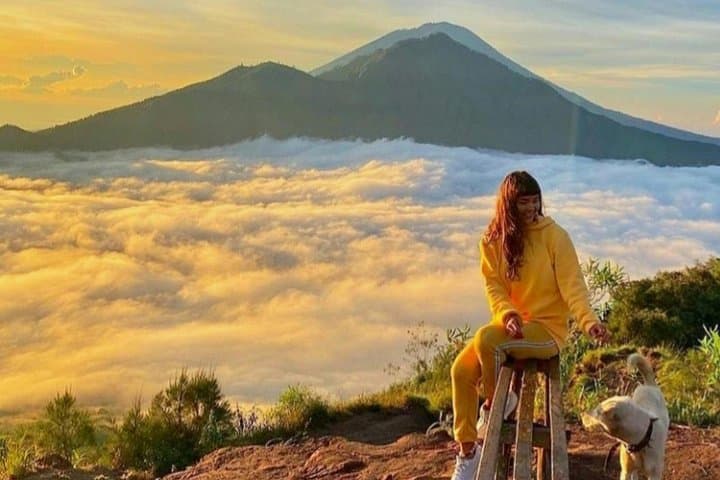
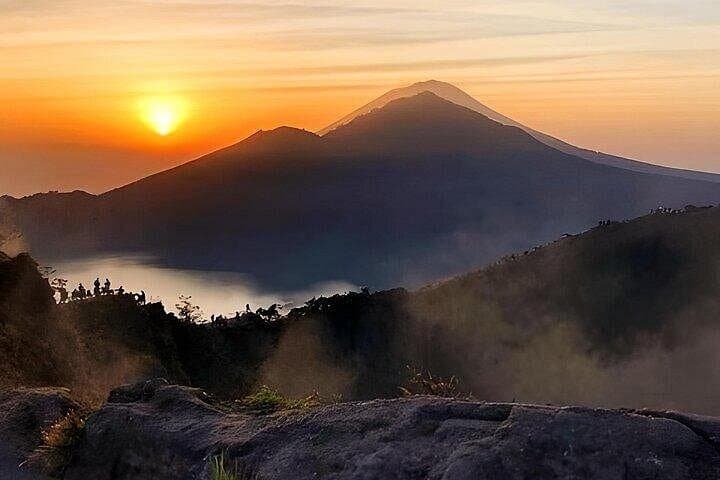
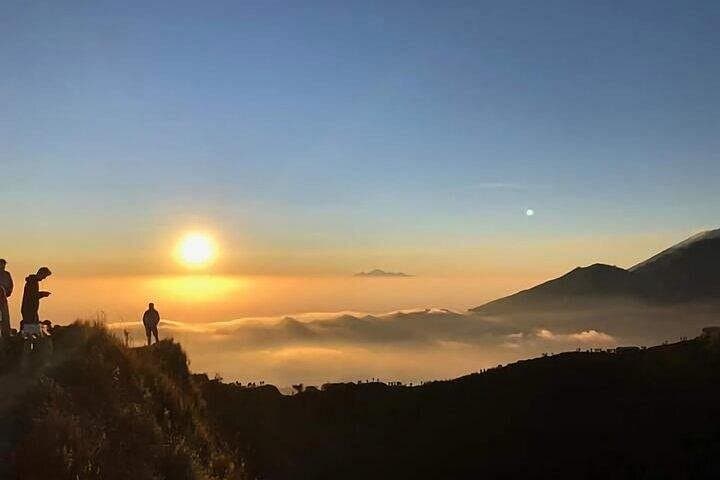
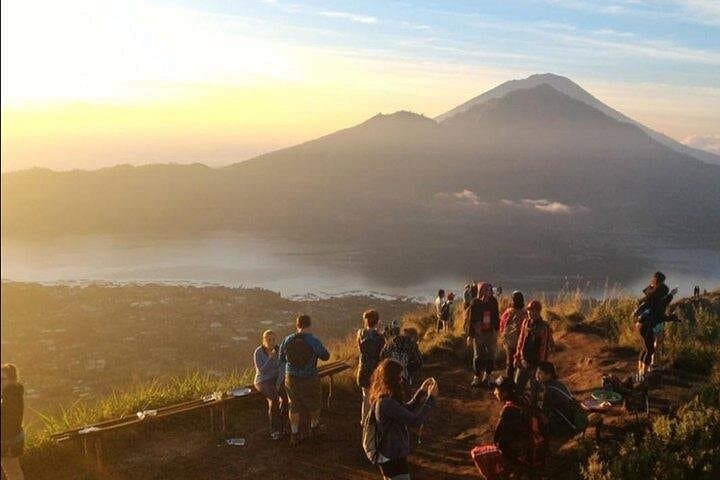
You step out of the van before dawn, the air sharp with altitude and the sky a deep indigo pierced by stars. Footsteps crunch on volcanic scree as your guide sets a steady pace; the dark caldera ahead breathes steam and expectations. By the time the horizon lightens, the summit rewards you with a sky that shifts from cobalt to molten orange while the crater lake mirrors the new day.
You step out of the van before dawn, the air sharp with altitude and the sky a deep indigo pierced by stars. Footsteps crunch on volcanic scree as your guide sets a steady pace; the dark caldera ahead breathes steam and expectations. By the time the horizon lightens, the summit rewards you with a sky that shifts from cobalt to molten orange while the crater lake mirrors the new day.
Mount Batur sits inside a larger caldera formed by ancient collapses and more recent eruptions; its geology is raw — black lava fields, pumice ridges and a steaming rim shaped in the last century. The area has long been part of Balinese agricultural life, with villages like Toya Bungkah drawing water from geothermal springs and farms fed by volcanic soil. Cultural life is visible in small shrines on the trail and coffee farms that support local families.
Practically, expect steep, loose sections and a mix of packed earth and volcanic gravel; the standard guided itinerary uses a pre-dawn start, 60–90 minutes to the summit for average hikers, a short crater loop, then descent. Hydrate before you leave, layer for cold at the top (it can be 0–10°C), and bring a headlamp and solid footwear for the scree. After the hike, most tours stop at a coffee plantation in Kintamani — a good place to warm up and try local brews like kopi luwak.
This is a high-value, moderate-altitude hike: minimal technical skill required, but respect for terrain and weather makes for a safe, unforgettable sunrise.