THE ADVENTURE COLLECTIVE® · Independent discovery and booking for outdoor travel

Summit Mount Batur before dawn for a compact sunrise trek across one of the world’s most dramatic calderas. Expect a moderately steep, 4–5 hour guided outing with hot breakfast at the rim and views toward Mount Agung.
Summit Mount Batur before dawn for a compact sunrise trek across one of the world’s most dramatic calderas. Expect a moderately steep, 4–5 hour guided outing with hot breakfast at the rim and views toward Mount Agung.
The hike begins in the dark, headlamps picking out the narrow track as the caldera breathes steam and night birds fall silent. By the time you crest the final ridge, the horizon is a slow, exacting alarm—gold spreading across Lake Batur while Mount Agung rises like a distant silhouette. The top is raw rock, cool air, and a view that rewards steady feet and an early start.
Verified experiences and guided adventures in the surrounding area.
Operated by Bali Instagram Tour · Kintamani, Bali
The hike begins in the dark, headlamps picking out the narrow track as the caldera breathes steam and night birds fall silent. By the time you crest the final ridge, the horizon is a slow, exacting alarm—gold spreading across Lake Batur while Mount Agung rises like a distant silhouette. The top is raw rock, cool air, and a view that rewards steady feet and an early start.
Geology here is obvious: you’re walking the edge of a 13.8 × 10 km caldera declared a UNESCO Global Geopark in 2012, with a central cone punctuated by three summit craters and a parasitic cone called Butus. The volcano’s slopes are worked farmland and hot springs; villages around Kintamani carry a long tradition of rice terraces, coffee farming, and daily offerings that punctuate the trailhead with local color.
Expect roughly 700 m of relative rise from the surrounding terrain to the crater rim; guides typically run a 1.5–2 hour ascent, a sunrise wait with breakfast, then descent—about a 4–5 hour outing total. Trail terrain alternates loose volcanic scree, compact dirt, and stepped sections; proper footwear and a headlamp matter more than speed. Start at the basecamp around 03:30, bring water and a wind layer for pre-dawn chill, and move deliberately on the steep sections where volcanic sand shifts underfoot.
Guided groups keep the route efficient and respectful of local sites; pack out waste, listen to your guide about sensitive areas, and be ready for sudden weather shifts—Bali’s highlands can fog in quickly. The payoff is simple and direct: sunrise above a living caldera, coffee steaming in your hands, and a clear view across Bali’s spine to Agung.
Most operators ask you to be at the Batur basecamp around 03:30 for a 04:00 start so you reach the summit before sunrise.
The hike is moderate: steep in places with loose volcanic scree, typically 1.5–2 hours up and about an hour down for an average hiker.
Yes—standard tours include a simple breakfast and hot drinks served at the summit after sunrise.
This trek is not recommended for people with spinal or heart problems or for pregnant travelers; small children may find the early start and rough terrain difficult.
Bali Instagram Tour operates guided outdoor trips and adventures with an emphasis on safety, stewardship, and memorable experiences.
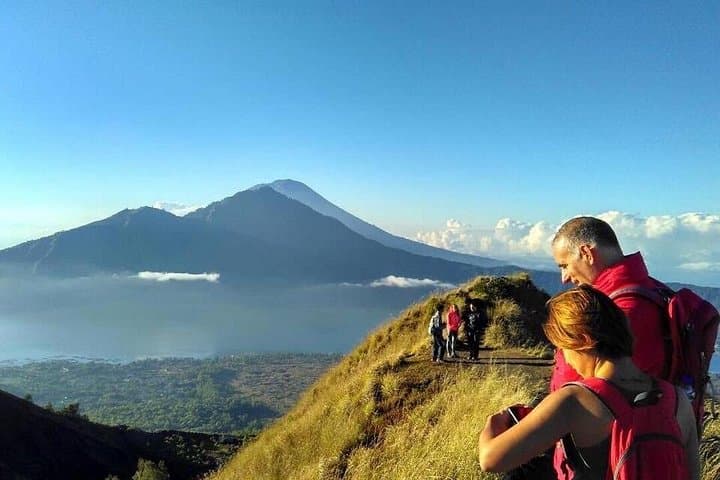

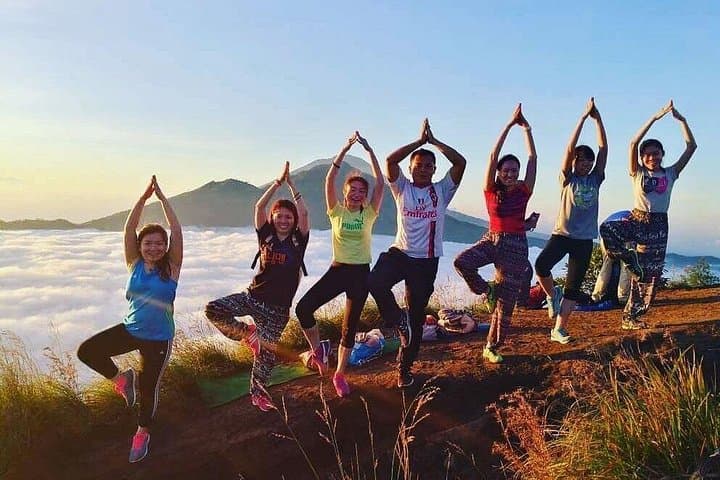

The hike begins in the dark, headlamps picking out the narrow track as the caldera breathes steam and night birds fall silent. By the time you crest the final ridge, the horizon is a slow, exacting alarm—gold spreading across Lake Batur while Mount Agung rises like a distant silhouette. The top is raw rock, cool air, and a view that rewards steady feet and an early start.
The hike begins in the dark, headlamps picking out the narrow track as the caldera breathes steam and night birds fall silent. By the time you crest the final ridge, the horizon is a slow, exacting alarm—gold spreading across Lake Batur while Mount Agung rises like a distant silhouette. The top is raw rock, cool air, and a view that rewards steady feet and an early start.
Geology here is obvious: you’re walking the edge of a 13.8 × 10 km caldera declared a UNESCO Global Geopark in 2012, with a central cone punctuated by three summit craters and a parasitic cone called Butus. The volcano’s slopes are worked farmland and hot springs; villages around Kintamani carry a long tradition of rice terraces, coffee farming, and daily offerings that punctuate the trailhead with local color.
Expect roughly 700 m of relative rise from the surrounding terrain to the crater rim; guides typically run a 1.5–2 hour ascent, a sunrise wait with breakfast, then descent—about a 4–5 hour outing total. Trail terrain alternates loose volcanic scree, compact dirt, and stepped sections; proper footwear and a headlamp matter more than speed. Start at the basecamp around 03:30, bring water and a wind layer for pre-dawn chill, and move deliberately on the steep sections where volcanic sand shifts underfoot.
Guided groups keep the route efficient and respectful of local sites; pack out waste, listen to your guide about sensitive areas, and be ready for sudden weather shifts—Bali’s highlands can fog in quickly. The payoff is simple and direct: sunrise above a living caldera, coffee steaming in your hands, and a clear view across Bali’s spine to Agung.