THE ADVENTURE COLLECTIVE® · Independent discovery and booking for outdoor travel

Leave before dawn to hike Mount Batur’s active caldera and watch the sky change over lake and volcanic steam. This guided sunrise trek mixes a brisk ascent, summit breakfast, and sweeping highland views—ideal for moderately fit travelers planning an early start.
Leave before dawn to hike Mount Batur’s active caldera and watch the sky change over lake and volcanic steam. This guided sunrise trek mixes a brisk ascent, summit breakfast, and sweeping highland views—ideal for moderately fit travelers planning an early start.
Darkness is part of the ticket: you leave before dawn, flashlights cutting narrow cones through a cool highland air. The path climbs steadily, volcanic scree crunching beneath boots, and above you the Milky Way watches as guides trace the ridgeline toward the summit.
Verified experiences and guided adventures in the surrounding area.
Operated by Bali Trekking Tour · Kintamani, Bali
Darkness is part of the ticket: you leave before dawn, flashlights cutting narrow cones through a cool highland air. The path climbs steadily, volcanic scree crunching beneath boots, and above you the Milky Way watches as guides trace the ridgeline toward the summit.
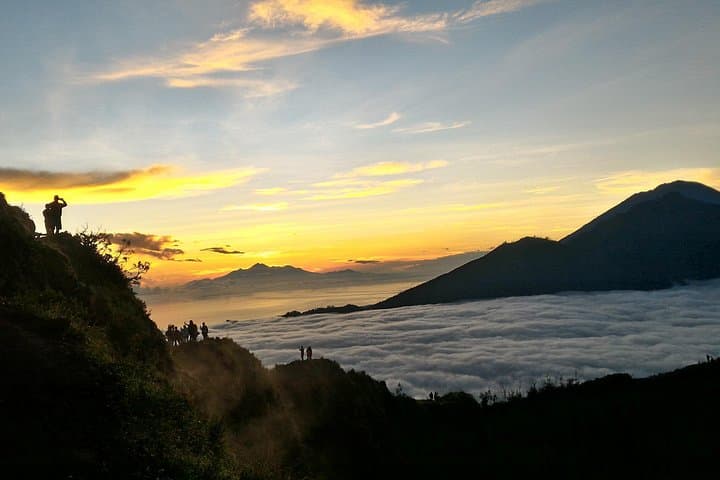
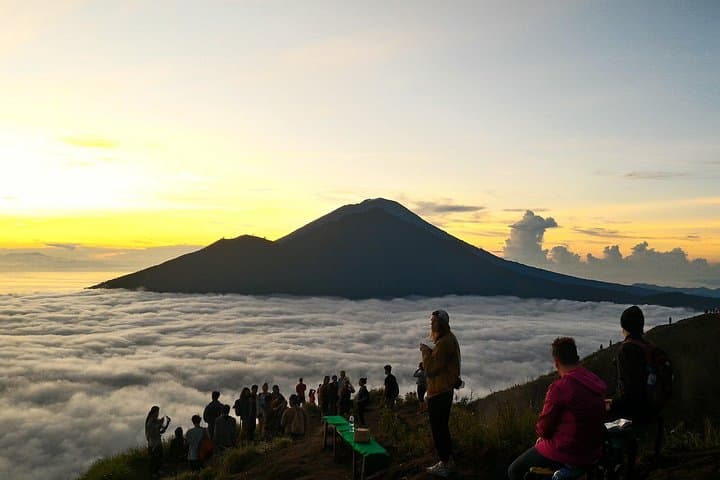
Mount Batur is an active stratovolcano rising from a vast caldera on Bali’s northeastern flank. Its 1,700‑m peak overlooks a steaming crater, a blue lake in the caldera floor, and views that include Mount Agung on clear mornings. Local communities revere the mountain and nearby temples like Pura Ulun Danu Batur mark the area’s cultural links to water, rice, and ritual. Centuries of eruptions sculpted the jagged rim and left hot fumaroles that cooks use to steam eggs and bananas for an alpine breakfast.
In practical terms expect a 1–2 hour ascent on unpaved, often loose trail with roughly 500–700 m of elevation gain depending on the start point; the full tour with transfers runs about 8–10 hours. Dress in layers—night chill can be sharp—carry a headlamp, water, and sturdy footwear for loose volcanic rock. Guides commonly provide trekking poles, a simple hot breakfast on the summit, and shorter cultural stops on the return like coffee plantations or Tirta Empul.
Time your trip for the dry season (May–September) for best visibility and earlier trail conditions. Move deliberately on the ridge sections, respect sacred sites, and pack out trash—this fragile caldera remains both a scenic highlight and working landscape for communities around Kintamani.
Expect about 1–2 hours to the summit depending on fitness and pace; guides allow breaks and adjust pace for groups.
Moderately fit beginners can do it with a guide; the trail is steep in places and has loose volcanic rock, so take it steady and use poles if needed.
You may see fumaroles and steam near the crater—guides avoid hazardous vents and tours operate within safe areas; those with respiratory or heart issues should avoid the trek.
Most guided sunrise tours include summit breakfast items, entrance fees, and air‑conditioned pickup/return—confirm specifics with your operator at booking.
Bali Trekking Tour operates guided outdoor trips and adventures with an emphasis on safety, stewardship, and memorable experiences.
Darkness is part of the ticket: you leave before dawn, flashlights cutting narrow cones through a cool highland air. The path climbs steadily, volcanic scree crunching beneath boots, and above you the Milky Way watches as guides trace the ridgeline toward the summit.
Darkness is part of the ticket: you leave before dawn, flashlights cutting narrow cones through a cool highland air. The path climbs steadily, volcanic scree crunching beneath boots, and above you the Milky Way watches as guides trace the ridgeline toward the summit.
Mount Batur is an active stratovolcano rising from a vast caldera on Bali’s northeastern flank. Its 1,700‑m peak overlooks a steaming crater, a blue lake in the caldera floor, and views that include Mount Agung on clear mornings. Local communities revere the mountain and nearby temples like Pura Ulun Danu Batur mark the area’s cultural links to water, rice, and ritual. Centuries of eruptions sculpted the jagged rim and left hot fumaroles that cooks use to steam eggs and bananas for an alpine breakfast.
In practical terms expect a 1–2 hour ascent on unpaved, often loose trail with roughly 500–700 m of elevation gain depending on the start point; the full tour with transfers runs about 8–10 hours. Dress in layers—night chill can be sharp—carry a headlamp, water, and sturdy footwear for loose volcanic rock. Guides commonly provide trekking poles, a simple hot breakfast on the summit, and shorter cultural stops on the return like coffee plantations or Tirta Empul.
Time your trip for the dry season (May–September) for best visibility and earlier trail conditions. Move deliberately on the ridge sections, respect sacred sites, and pack out trash—this fragile caldera remains both a scenic highlight and working landscape for communities around Kintamani.