THE ADVENTURE COLLECTIVE® · Independent discovery and booking for outdoor travel

Climb Mount Batur before sunrise, taste breakfast steamed by volcanic heat, then sink into natural hot springs — a compact, sensory day that pairs highland vistas with geothermal recovery. Read on for route details and practical tips to plan your trek.
Climb Mount Batur before sunrise, taste breakfast steamed by volcanic heat, then sink into natural hot springs — a compact, sensory day that pairs highland vistas with geothermal recovery. Read on for route details and practical tips to plan your trek.
Before dawn the ridge reads like a silhouette map: a dark bowl of caldera, a ribbon of lights from Kintamani below and the raw cone of Mount Batur cutting into the sky. Small groups gather under headlamps, breath visible in the cool highland air, then begin the steady climb toward a sunrise that erupts over Lake Batur.
Verified experiences and guided adventures in the surrounding area.
Operated by Bali Trekking Exploration · Kintamani, Bali
Before dawn the ridge reads like a silhouette map: a dark bowl of caldera, a ribbon of lights from Kintamani below and the raw cone of Mount Batur cutting into the sky. Small groups gather under headlamps, breath visible in the cool highland air, then begin the steady climb toward a sunrise that erupts over Lake Batur.
Geology here is immediate — Batur is an active stratovolcano that sits inside a larger caldera formed by older, larger eruptions; steam vents and volcanic soil shape both the route and local agriculture. The climb threads volcanic scree, stone steps and terraces tended by Balinese farmers. Culturally, the mountain is part of daily life and ritual; local guides often point out shrines and explain how villagers cook using volcanic steam.
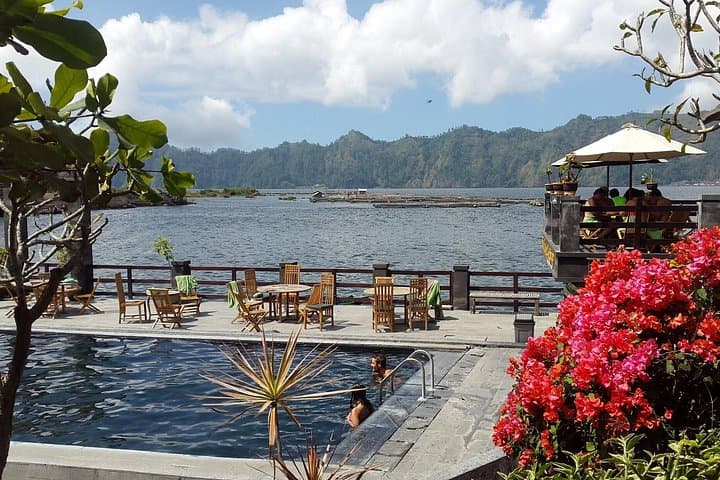
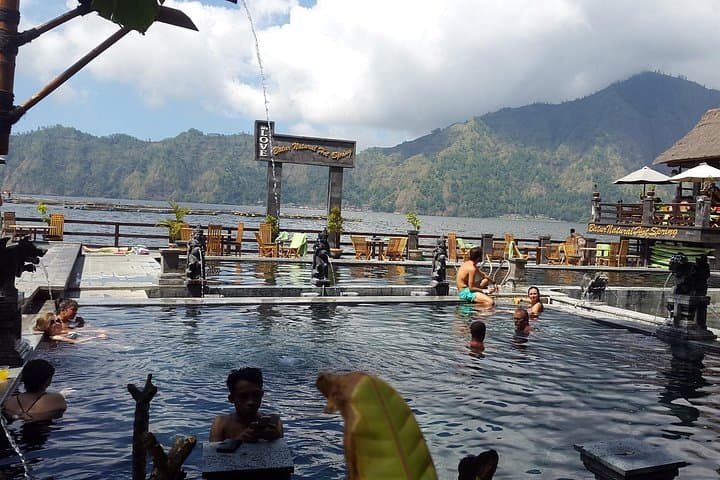
Expect a moderately steep ascent of roughly 2–3 km with about 600–800 m of elevation gain (round-trip hiking time often 2–3 hours), followed by transport to nearby hot springs for a soak. Breakfast—often eggs steamed in volcanic vents—is included and tastes of the place.
Practical guidance: start times are very early (pickups commonly around 2:00–3:00 a.m.), wear sturdy shoes for loose volcanic rock, carry layers for cold summit winds and sun protection for the descent. Bring a swimsuit and towel if you plan to use the hot springs, and small change for local purchases. If you have spinal, heart or pregnancy concerns, choose another activity; guides provide flashlights and escort groups on well-trodden lines. The reward is elemental: sunlight spilling across a smoking landscape, then warm mineral water easing tired legs.
Pickups are typically between 2:00 and 3:00 a.m. to reach the trailhead before sunrise; expect a full-day commitment including transport and hot springs.
The route is non-technical but steep and on loose volcanic rock; beginners with moderate fitness can do it with a licensed guide and steady pacing.
Hot springs admission is offered as part of the tour option—bring swimwear and confirm inclusion when booking.
Not recommended for travelers with spinal, pregnancy, or serious heart conditions; disclose health issues when booking and follow your guide's instructions.
Bali Trekking Exploration operates guided outdoor trips and adventures with an emphasis on safety, stewardship, and memorable experiences.
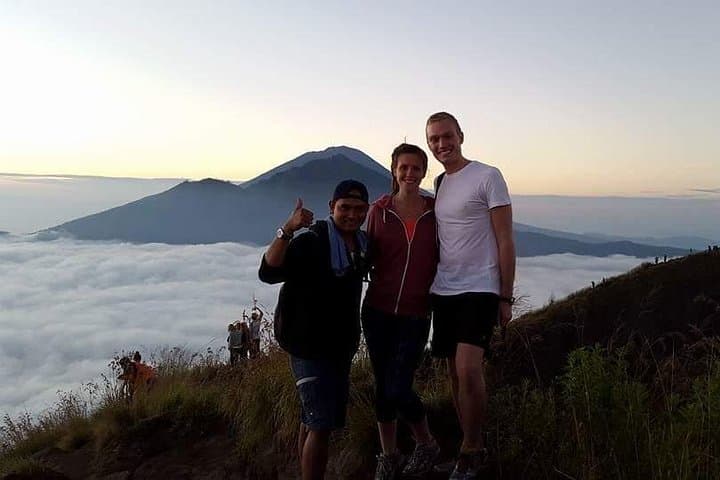
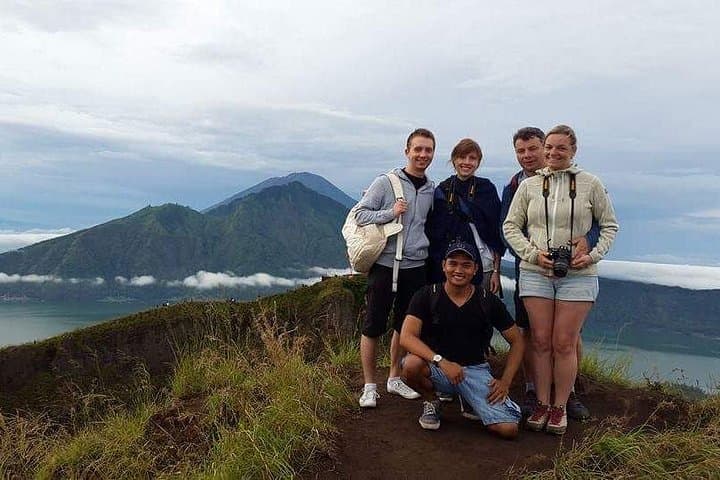
Before dawn the ridge reads like a silhouette map: a dark bowl of caldera, a ribbon of lights from Kintamani below and the raw cone of Mount Batur cutting into the sky. Small groups gather under headlamps, breath visible in the cool highland air, then begin the steady climb toward a sunrise that erupts over Lake Batur.
Before dawn the ridge reads like a silhouette map: a dark bowl of caldera, a ribbon of lights from Kintamani below and the raw cone of Mount Batur cutting into the sky. Small groups gather under headlamps, breath visible in the cool highland air, then begin the steady climb toward a sunrise that erupts over Lake Batur.
Geology here is immediate — Batur is an active stratovolcano that sits inside a larger caldera formed by older, larger eruptions; steam vents and volcanic soil shape both the route and local agriculture. The climb threads volcanic scree, stone steps and terraces tended by Balinese farmers. Culturally, the mountain is part of daily life and ritual; local guides often point out shrines and explain how villagers cook using volcanic steam.
Expect a moderately steep ascent of roughly 2–3 km with about 600–800 m of elevation gain (round-trip hiking time often 2–3 hours), followed by transport to nearby hot springs for a soak. Breakfast—often eggs steamed in volcanic vents—is included and tastes of the place.
Practical guidance: start times are very early (pickups commonly around 2:00–3:00 a.m.), wear sturdy shoes for loose volcanic rock, carry layers for cold summit winds and sun protection for the descent. Bring a swimsuit and towel if you plan to use the hot springs, and small change for local purchases. If you have spinal, heart or pregnancy concerns, choose another activity; guides provide flashlights and escort groups on well-trodden lines. The reward is elemental: sunlight spilling across a smoking landscape, then warm mineral water easing tired legs.