THE ADVENTURE COLLECTIVE® · Independent discovery and booking for outdoor travel

Climb Mount Batur before dawn to watch the caldera wake: volcanic ridgelines, panoramic lake-and-ocean views and a hot-spring soak to finish. This practical guide explains what to expect, how to prepare, and local insights that make the trek worth the early start.
Climb Mount Batur before dawn to watch the caldera wake: volcanic ridgelines, panoramic lake-and-ocean views and a hot-spring soak to finish. This practical guide explains what to expect, how to prepare, and local insights that make the trek worth the early start.
You start before dawn, headlamp cutting through cool highland air as other climbers trace a narrow volcanic ridge. The sky eases from ink to indigo, then a smear of orange reveals the silhouette of Mount Agung across the Batur caldera while steam rises from the lake below. The trail underfoot is a mix of volcanic sand and rocky steps; each switchback opens a wider view — lake, ocean, occasional glimpse of Lombok’s Rinjani — until the summit gives its full panorama.
Verified experiences and guided adventures in the surrounding area.
Operated by Bali Trip Experience · Kintamani, Bali
You start before dawn, headlamp cutting through cool highland air as other climbers trace a narrow volcanic ridge. The sky eases from ink to indigo, then a smear of orange reveals the silhouette of Mount Agung across the Batur caldera while steam rises from the lake below. The trail underfoot is a mix of volcanic sand and rocky steps; each switchback opens a wider view — lake, ocean, occasional glimpse of Lombok’s Rinjani — until the summit gives its full panorama.
Geology here is loud: Batur is an active volcano inside a larger caldera rim, carved by massive eruptions and ongoing lava flows. Locally the highlands around Kintamani support coffee and spice farms; many treks finish at small agro-tourism stops where Balinese coffee and the famed kopi luwak are processed by hand.
Expect a brisk, early start (often 2–4 a.m.), roughly 4–6 km round-trip and about 300–700 m of elevation gain depending on the trailhead. The terrain shifts between packed volcanic sand, loose scree and sharper rock, so steady footing matters. Sunrise means rapid temperature swings: a light insulated layer for the summit and a wind shell for descent is practical.
The reward is both visual and restorative — after the hike most groups soak in nearby natural hot springs to ease muscles and rinse dust. Plan for transport time from Ubud or Kuta, arrange a guided hike for safety on narrow dawn trails, and carry water, a headlamp and a compact first-aid kit. Leave no trace: the caldera’s fragile soils and local water sources benefit when visitors pack out waste and respect farm plots.
The trek is considered moderate: steep sections and loose volcanic sand challenge footing, but no technical climbing skills are required.
Most tours include a hot spring stop after the trek; check your booking details for the specific facility and entrance fees.
Local guides are strongly recommended for early-morning navigation, safety and cultural context—many operators provide guides as part of the tour.
Pickups are typically around 1–3 a.m., depending on your accommodation and the sunrise time that day; confirm exact pickup when you book.
Bali Trip Experience operates guided outdoor trips and adventures with an emphasis on safety, stewardship, and memorable experiences.
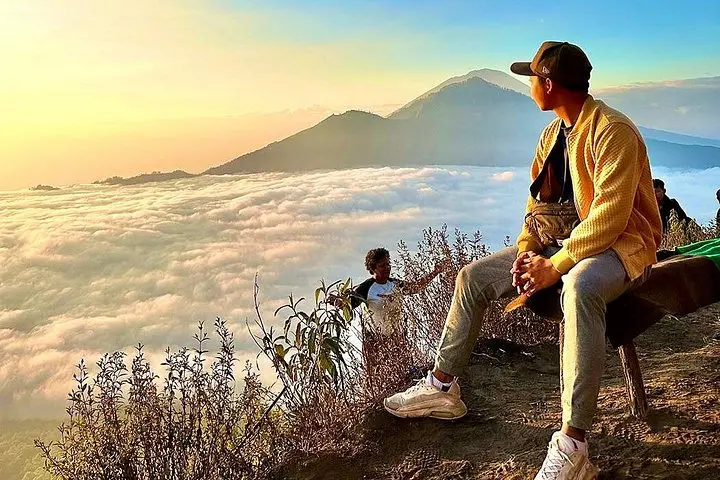
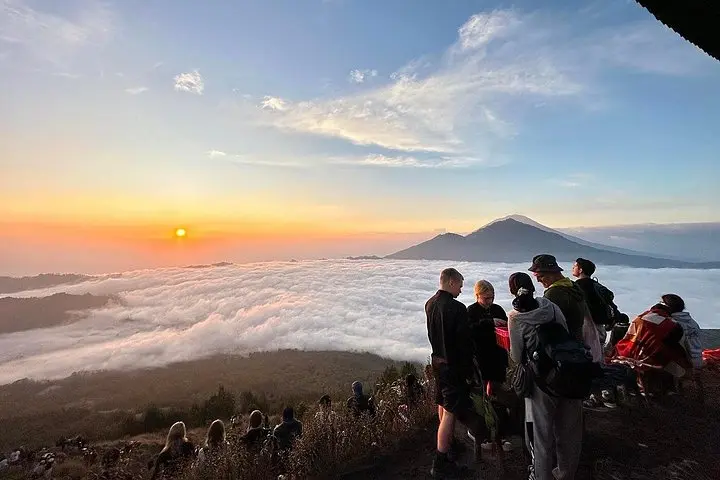
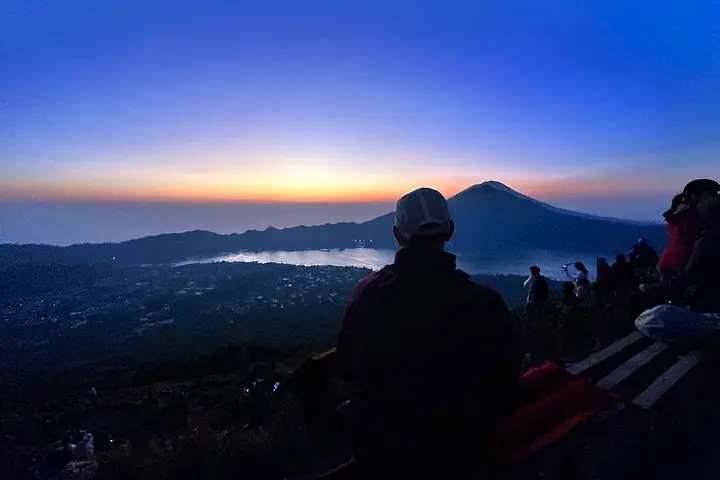
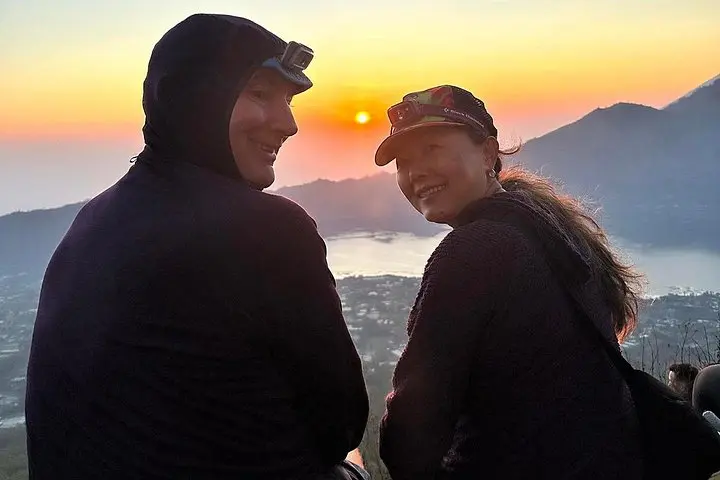
You start before dawn, headlamp cutting through cool highland air as other climbers trace a narrow volcanic ridge. The sky eases from ink to indigo, then a smear of orange reveals the silhouette of Mount Agung across the Batur caldera while steam rises from the lake below. The trail underfoot is a mix of volcanic sand and rocky steps; each switchback opens a wider view — lake, ocean, occasional glimpse of Lombok’s Rinjani — until the summit gives its full panorama.
You start before dawn, headlamp cutting through cool highland air as other climbers trace a narrow volcanic ridge. The sky eases from ink to indigo, then a smear of orange reveals the silhouette of Mount Agung across the Batur caldera while steam rises from the lake below. The trail underfoot is a mix of volcanic sand and rocky steps; each switchback opens a wider view — lake, ocean, occasional glimpse of Lombok’s Rinjani — until the summit gives its full panorama.
Geology here is loud: Batur is an active volcano inside a larger caldera rim, carved by massive eruptions and ongoing lava flows. Locally the highlands around Kintamani support coffee and spice farms; many treks finish at small agro-tourism stops where Balinese coffee and the famed kopi luwak are processed by hand.
Expect a brisk, early start (often 2–4 a.m.), roughly 4–6 km round-trip and about 300–700 m of elevation gain depending on the trailhead. The terrain shifts between packed volcanic sand, loose scree and sharper rock, so steady footing matters. Sunrise means rapid temperature swings: a light insulated layer for the summit and a wind shell for descent is practical.
The reward is both visual and restorative — after the hike most groups soak in nearby natural hot springs to ease muscles and rinse dust. Plan for transport time from Ubud or Kuta, arrange a guided hike for safety on narrow dawn trails, and carry water, a headlamp and a compact first-aid kit. Leave no trace: the caldera’s fragile soils and local water sources benefit when visitors pack out waste and respect farm plots.