THE ADVENTURE COLLECTIVE® · Independent discovery and booking for outdoor travel

Skip the pre-dawn alarm and watch daylight pull away from Bali on an evening ascent of Mount Batur. This sunset trek delivers volcanic terrain, steam-cooked eggs, and wide views of Lake Batur and Mount Agung with fewer crowds than the sunrise route.
Skip the pre-dawn alarm and watch daylight pull away from Bali on an evening ascent of Mount Batur. This sunset trek delivers volcanic terrain, steam-cooked eggs, and wide views of Lake Batur and Mount Agung with fewer crowds than the sunrise route.
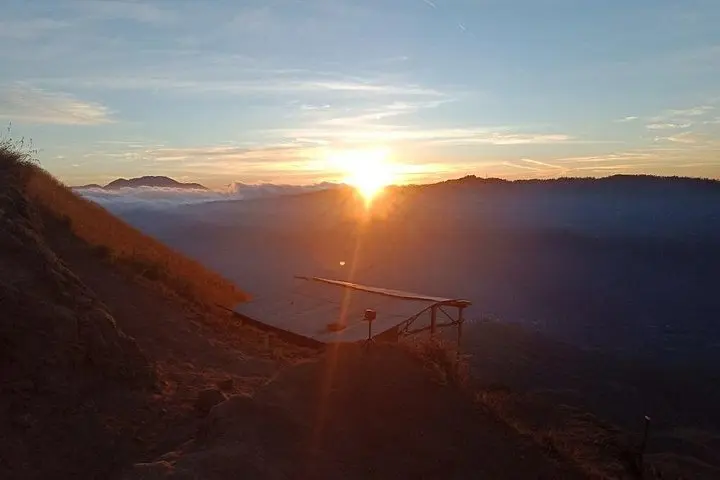
The trail opens under a wide Balinese sky as the last heat of the day loosens its grip and the volcano’s rim sharpens into silhouette.
Verified experiences and guided adventures in the surrounding area.
Operated by Mount Batur Sunset Trekking · Kintamani, Bali
The trail opens under a wide Balinese sky as the last heat of the day loosens its grip and the volcano’s rim sharpens into silhouette.
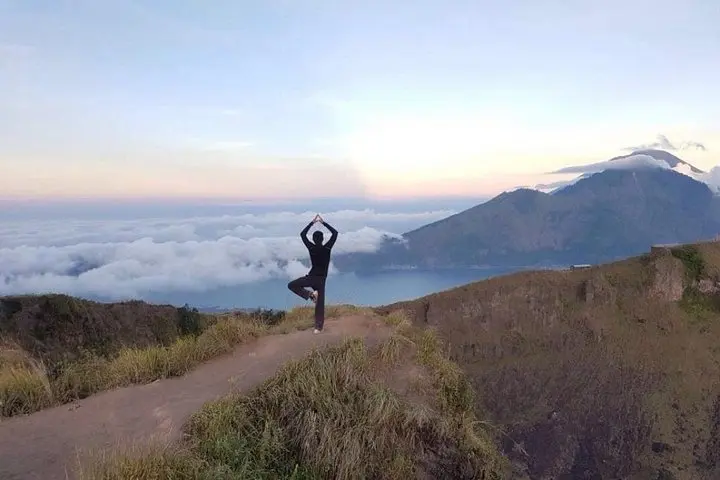
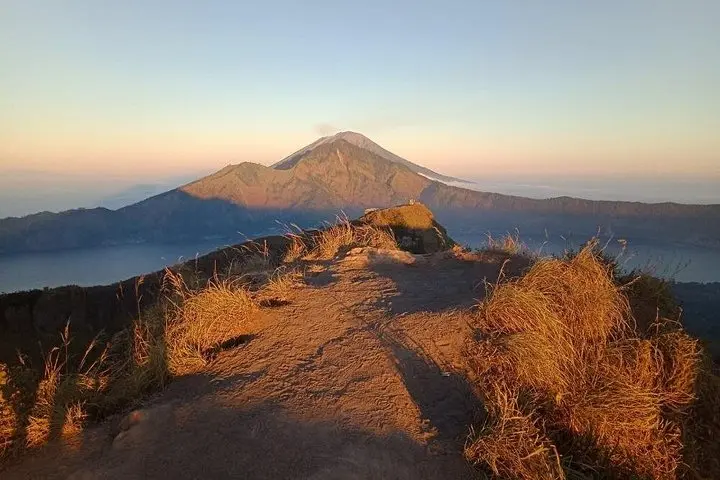
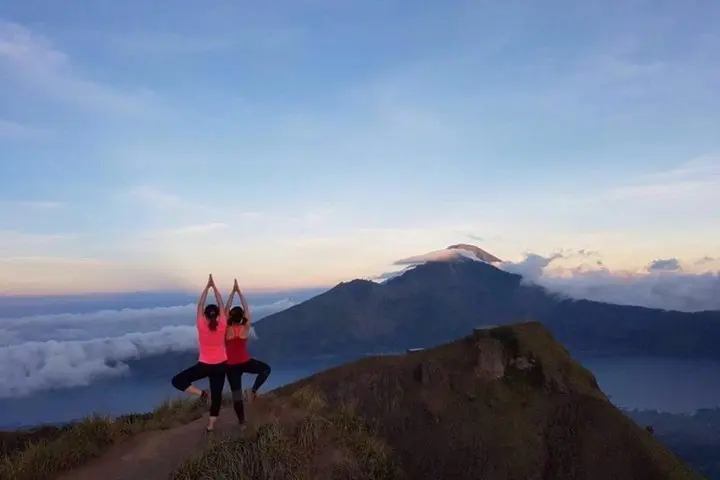
You begin on volcanic scree and packed earth, ascending through sparse grasses and stunted shrubs until the caldera’s lip gives way to a broad view: Lake Batur below, the dark profile of Mount Agung distant, and villages softening into twilight. The summit becomes a ledge for watching light slide across the landscape as wind and steam shape the scene.
Geologically, Batur is a young active caldera on Bali’s northeastern axis, its repeated eruptions carving the lake basin and exposing fresh basalt and ash layers. Culturally, the area around Kintamani is shaped by farming and temple life; local guides often weave stories of offerings and the traditional practice of cooking eggs in fumaroles near the rim.
Expect uneven volcanic terrain, short steep sections, and loose rock underfoot—terrain that rewards attention more than speed. The sunset route avoids the predawn crowds, but temperatures can drop quickly after dusk and visibility falls as steam rises. Guides supplied torches and walking sticks; pockets of sulphur odor are likely but usually brief.
Practical guidance: wear sturdy, grippy footwear; bring a headlamp with fresh batteries; layer for wind and a 5–10°C temperature change after sunset; hydrate before the climb and bring snacks for the top. Plan for 4–8 hours including transfer time; physical stamina for steady climbs and careful descents will make the experience safer and more enjoyable.
The uphill portion is typically 1–2 hours depending on pace and stops; factor in time at the summit plus transfers for a total 4–8 hour outing.
Yes when guided and with proper lights—guides provide torches and the route is well-traveled, but footing can be tricky after sunset so use a headlamp and move carefully.
You can often see steam vents and smell sulphur; active eruptions are rare but fumaroles are common—guides will steer clear of hazardous vents.
Mount Batur is only ~1,700 m elevation, so altitude sickness is uncommon; anyone with cardiovascular conditions should consult a doctor before booking.
Mount Batur Sunset Trekking operates guided outdoor trips and adventures with an emphasis on safety, stewardship, and memorable experiences.
The trail opens under a wide Balinese sky as the last heat of the day loosens its grip and the volcano’s rim sharpens into silhouette.
The trail opens under a wide Balinese sky as the last heat of the day loosens its grip and the volcano’s rim sharpens into silhouette.
You begin on volcanic scree and packed earth, ascending through sparse grasses and stunted shrubs until the caldera’s lip gives way to a broad view: Lake Batur below, the dark profile of Mount Agung distant, and villages softening into twilight. The summit becomes a ledge for watching light slide across the landscape as wind and steam shape the scene.
Geologically, Batur is a young active caldera on Bali’s northeastern axis, its repeated eruptions carving the lake basin and exposing fresh basalt and ash layers. Culturally, the area around Kintamani is shaped by farming and temple life; local guides often weave stories of offerings and the traditional practice of cooking eggs in fumaroles near the rim.
Expect uneven volcanic terrain, short steep sections, and loose rock underfoot—terrain that rewards attention more than speed. The sunset route avoids the predawn crowds, but temperatures can drop quickly after dusk and visibility falls as steam rises. Guides supplied torches and walking sticks; pockets of sulphur odor are likely but usually brief.
Practical guidance: wear sturdy, grippy footwear; bring a headlamp with fresh batteries; layer for wind and a 5–10°C temperature change after sunset; hydrate before the climb and bring snacks for the top. Plan for 4–8 hours including transfer time; physical stamina for steady climbs and careful descents will make the experience safer and more enjoyable.