THE ADVENTURE COLLECTIVE® · Independent discovery and booking for outdoor travel

Scale Mount Bisoke in Volcanoes National Park for a close-up view of its turquoise crater lake. This full-day hike combines steep forest trails, volcanic scenery and conservation history—ideal for fit day-hikers.
Scale Mount Bisoke in Volcanoes National Park for a close-up view of its turquoise crater lake. This full-day hike combines steep forest trails, volcanic scenery and conservation history—ideal for fit day-hikers.
A dawn mist grips the bamboo as you climb—breath visible in the cool Rwandan air—while the trail pushes upward through green bands of forest toward Mount Bisoke's crater rim. At 3,711 m the summit opens to a bright, blue crater lake; wind and cloud play along the lip, daring you to linger and take the long view across the Virunga chain.
Verified experiences and guided adventures in the surrounding area.
Operated by Rwagasabo Safaris · Musanze, Northern Province
A dawn mist grips the bamboo as you climb—breath visible in the cool Rwandan air—while the trail pushes upward through green bands of forest toward Mount Bisoke's crater rim. At 3,711 m the summit opens to a bright, blue crater lake; wind and cloud play along the lip, daring you to linger and take the long view across the Virunga chain.
Geology here is immediate: Bisoke is one of the Virunga volcanoes, a young, steep stratovolcano whose crater holds a permanent lake fed by mountain seepage. The area also carries cultural and scientific history—Dian Fossey's Karisoke research work started nearby—and the park is central to Rwanda's conservation of mountain gorillas and highland ecosystems.
Expect 5–7 hours of steady hiking on defined trails, with steep sections, muddy patches when wet and stretches of bamboo and heath. Guides regulate pace and safety; permits and park fees support ongoing protection efforts. You may hear golden monkeys and see rare forest birds in the understory; the summit view rewards the effort with sky and water framed by volcanic peaks.
Practical edge: start very early to avoid afternoon cloud, carry a liter of water per 2 hours, wear ankle-supporting boots and a waterproof layer, and use trekking poles for steep descents. Altitude can be felt above 3,000 m—move steadily and communicate with your guide if you feel lightheaded. The tour typically includes park entry, a guide and a packed African-style meal; transport between Musanze and the park is usually by 4x4.
Yes—this tour includes Volcanoes National Park entry permits as part of the package.
The route is challenging due to steep sections and altitude; it's best for hikers with prior uphill experience and moderate-to-good fitness.
Gorilla trekking requires a separate permit and is a different activity; on the Bisoke hike you may see golden monkeys and other forest wildlife but not a gorilla trek by default.
The tour typically includes a simple African-style packed meal; restroom facilities are limited—plan accordingly before the hike.
Rwagasabo Safaris operates guided outdoor trips and adventures with an emphasis on safety, stewardship, and memorable experiences.
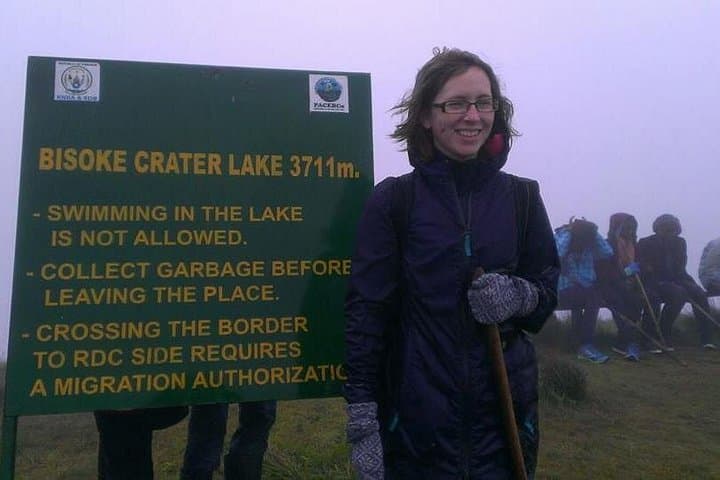
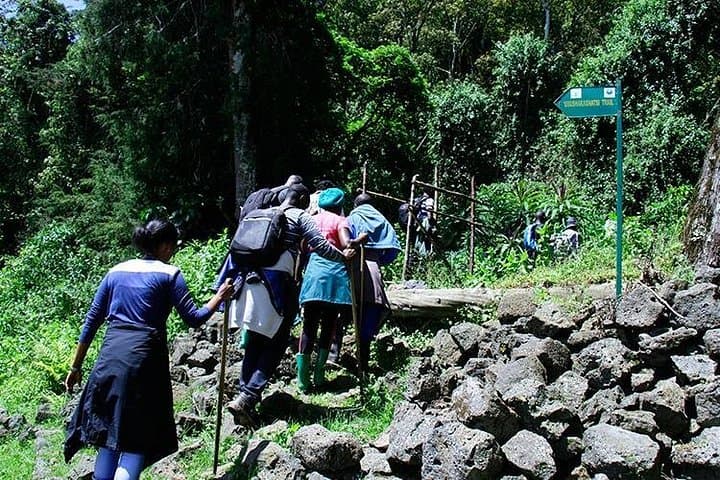
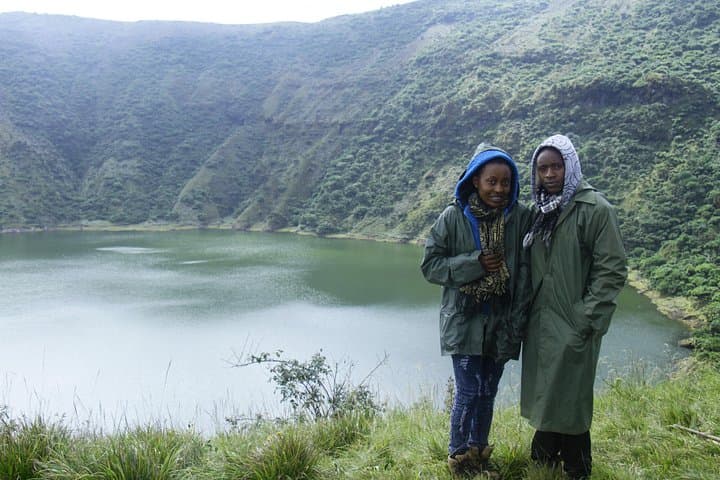
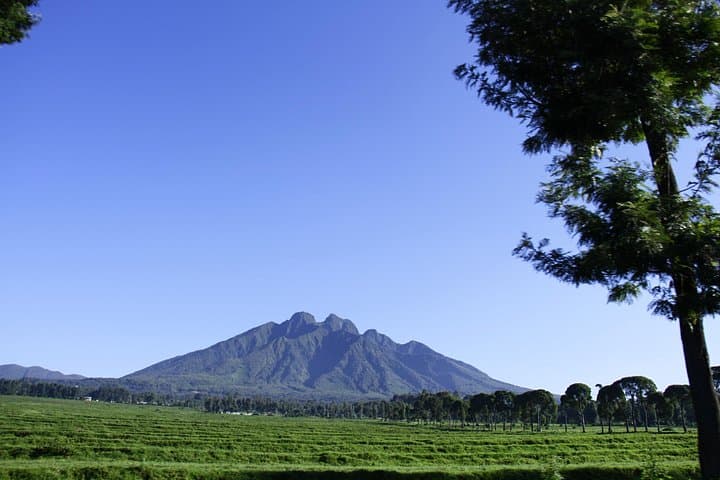
A dawn mist grips the bamboo as you climb—breath visible in the cool Rwandan air—while the trail pushes upward through green bands of forest toward Mount Bisoke's crater rim. At 3,711 m the summit opens to a bright, blue crater lake; wind and cloud play along the lip, daring you to linger and take the long view across the Virunga chain.
A dawn mist grips the bamboo as you climb—breath visible in the cool Rwandan air—while the trail pushes upward through green bands of forest toward Mount Bisoke's crater rim. At 3,711 m the summit opens to a bright, blue crater lake; wind and cloud play along the lip, daring you to linger and take the long view across the Virunga chain.
Geology here is immediate: Bisoke is one of the Virunga volcanoes, a young, steep stratovolcano whose crater holds a permanent lake fed by mountain seepage. The area also carries cultural and scientific history—Dian Fossey's Karisoke research work started nearby—and the park is central to Rwanda's conservation of mountain gorillas and highland ecosystems.
Expect 5–7 hours of steady hiking on defined trails, with steep sections, muddy patches when wet and stretches of bamboo and heath. Guides regulate pace and safety; permits and park fees support ongoing protection efforts. You may hear golden monkeys and see rare forest birds in the understory; the summit view rewards the effort with sky and water framed by volcanic peaks.
Practical edge: start very early to avoid afternoon cloud, carry a liter of water per 2 hours, wear ankle-supporting boots and a waterproof layer, and use trekking poles for steep descents. Altitude can be felt above 3,000 m—move steadily and communicate with your guide if you feel lightheaded. The tour typically includes park entry, a guide and a packed African-style meal; transport between Musanze and the park is usually by 4x4.