THE ADVENTURE COLLECTIVE® · Independent discovery and booking for outdoor travel

Walk from farming villages into jungle-clad slopes and moorland to reach Wagagai peak, the caldera rim, Jackson Pool and hot springs on this four-day Mount Elgon trek. Expect diverse terrain, basic tented camps and strong birdlife.
Walk from farming villages into jungle-clad slopes and moorland to reach Wagagai peak, the caldera rim, Jackson Pool and hot springs on this four-day Mount Elgon trek. Expect diverse terrain, basic tented camps and strong birdlife.
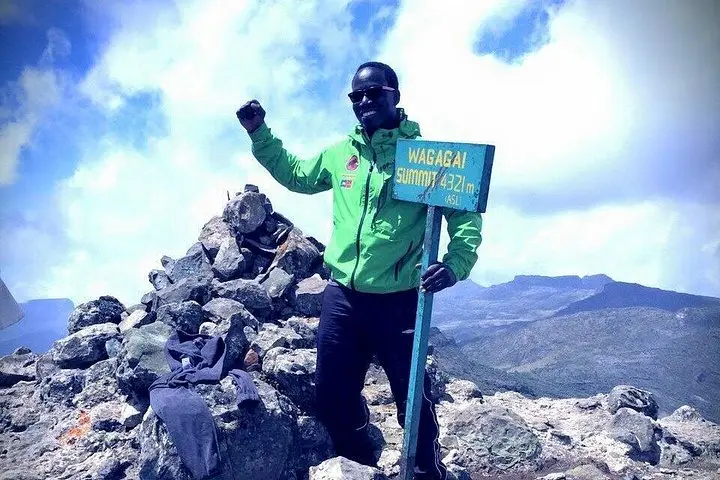
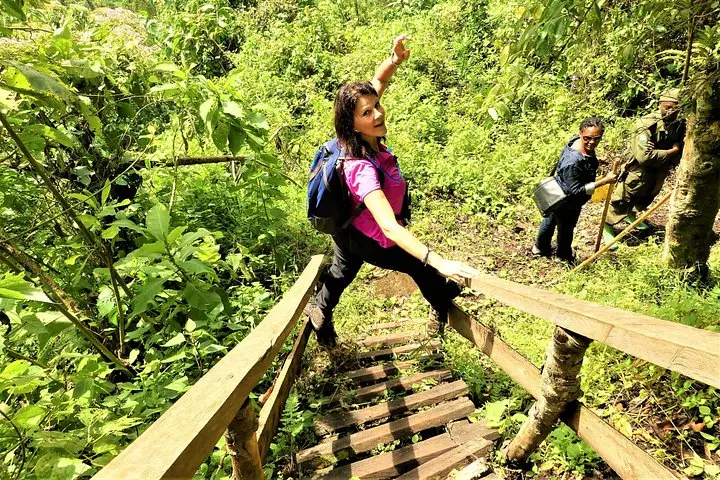
The trail begins where village paths thin into forest ruts and the air changes — richer, damp, threaded with bamboo. You step past homesteads, children pausing to watch, then sink into montane forest where Podocarpus trunks rise like old columns and moss cushions your boot soles. Over four days the ridge opens to moorland, jagged rock tors, and finally the wind-battered summit of Wagagai; below lies the immense rim of Mount Elgon’s caldera and the glassy Jackson Pool, steam curling where hot springs feed into cooler pools.
Verified experiences and guided adventures in the surrounding area.
Operated by East Trails · Mbale, Eastern Region
The trail begins where village paths thin into forest ruts and the air changes — richer, damp, threaded with bamboo. You step past homesteads, children pausing to watch, then sink into montane forest where Podocarpus trunks rise like old columns and moss cushions your boot soles. Over four days the ridge opens to moorland, jagged rock tors, and finally the wind-battered summit of Wagagai; below lies the immense rim of Mount Elgon’s caldera and the glassy Jackson Pool, steam curling where hot springs feed into cooler pools.
Geology here is blunt and immense: Elgon is an ancient basaltic shield volcano whose worn caldera ranks among the world’s largest. Culturally, the mountain supports farming communities—Bagisu and Sabaot peoples—whose terraces and footpaths predate organized park management and who still guide and host trekkers. Birdlife is conspicuous: montane warblers, sunbirds and the occasional francolin flit through the bamboo and moorland.
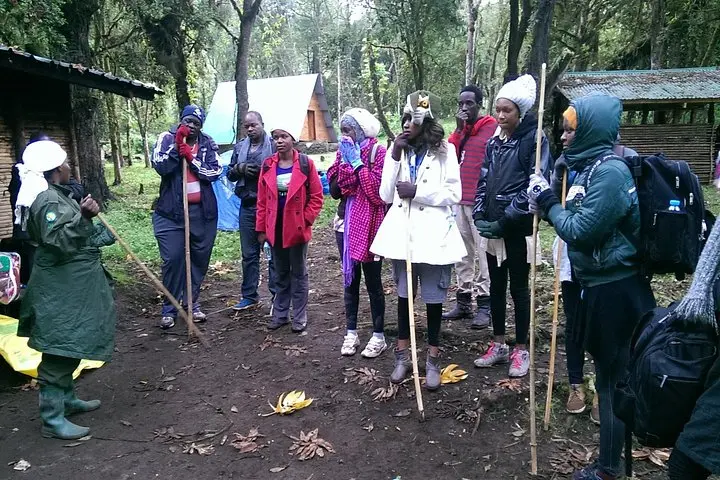
Practically, the expedition is a multi-day, non-technical trek with long uphill stretches to 4,321 m (Wagagai). Expect muddy forest tracks, exposed moorland with wind, nightly tent camps at Shiloko and Dubii, and basic catering included. Acclimatize, carry warm layers for nights and wind, and be prepared for variable weather and wet ground. Guides and park permits are standard; porters are recommended for heavier loads. Hydration, steady pacing, and good boots keep the journey enjoyable — the payoff is clear: expansive views, steaming pools, and a mountain that still feels rugged and lived-in.
Yes — day and trekking permits are managed by the park authority; guides generally arrange permits as part of the booking.
Dry months (roughly June–August and December–February) offer more stable trails and clearer summit views, though weather can change any time.
No — the route to Wagagai is non-technical trekking, but it involves long ascents and exposed sections on moorland.
Yes — reputable operators provide trained local guides and porters; hiring them is recommended for safety and local economy support.
East Trails operates guided outdoor trips and adventures with an emphasis on safety, stewardship, and memorable experiences.

The trail begins where village paths thin into forest ruts and the air changes — richer, damp, threaded with bamboo. You step past homesteads, children pausing to watch, then sink into montane forest where Podocarpus trunks rise like old columns and moss cushions your boot soles. Over four days the ridge opens to moorland, jagged rock tors, and finally the wind-battered summit of Wagagai; below lies the immense rim of Mount Elgon’s caldera and the glassy Jackson Pool, steam curling where hot springs feed into cooler pools.
The trail begins where village paths thin into forest ruts and the air changes — richer, damp, threaded with bamboo. You step past homesteads, children pausing to watch, then sink into montane forest where Podocarpus trunks rise like old columns and moss cushions your boot soles. Over four days the ridge opens to moorland, jagged rock tors, and finally the wind-battered summit of Wagagai; below lies the immense rim of Mount Elgon’s caldera and the glassy Jackson Pool, steam curling where hot springs feed into cooler pools.
Geology here is blunt and immense: Elgon is an ancient basaltic shield volcano whose worn caldera ranks among the world’s largest. Culturally, the mountain supports farming communities—Bagisu and Sabaot peoples—whose terraces and footpaths predate organized park management and who still guide and host trekkers. Birdlife is conspicuous: montane warblers, sunbirds and the occasional francolin flit through the bamboo and moorland.
Practically, the expedition is a multi-day, non-technical trek with long uphill stretches to 4,321 m (Wagagai). Expect muddy forest tracks, exposed moorland with wind, nightly tent camps at Shiloko and Dubii, and basic catering included. Acclimatize, carry warm layers for nights and wind, and be prepared for variable weather and wet ground. Guides and park permits are standard; porters are recommended for heavier loads. Hydration, steady pacing, and good boots keep the journey enjoyable — the payoff is clear: expansive views, steaming pools, and a mountain that still feels rugged and lived-in.