THE ADVENTURE COLLECTIVE® · Independent discovery and booking for outdoor travel

Rise from Taormina into basalt plains and wind-scoured craters on a guided 4x4 day trip to Mount Etna. Choose a gentle walk among the Silvestri craters or upgrade to a guided ascent toward the summit craters for high-altitude volcanic terrain.
Rise from Taormina into basalt plains and wind-scoured craters on a guided 4x4 day trip to Mount Etna. Choose a gentle walk among the Silvestri craters or upgrade to a guided ascent toward the summit craters for high-altitude volcanic terrain.
You leave Taormina before the heat, the road rising through chestnut groves until the scrub thins and black lava fields spread like an open wound. The guide parks at Rifugio Sapienza and the first real view opens: the twin Silvestri craters at about 2,000 m, ragged rims that still steam on cool mornings. Wind moves across the basalt and the mountain seems to sigh—an active, patient presence that reshapes the land beneath your boots.
Verified experiences and guided adventures in the surrounding area.
Operated by Marcello Puglisi · Taormina, Sicily
You leave Taormina before the heat, the road rising through chestnut groves until the scrub thins and black lava fields spread like an open wound. The guide parks at Rifugio Sapienza and the first real view opens: the twin Silvestri craters at about 2,000 m, ragged rims that still steam on cool mornings. Wind moves across the basalt and the mountain seems to sigh—an active, patient presence that reshapes the land beneath your boots.
Etna is Europe’s most active volcano, a layered stratovolcano built from repeated eruptions over hundreds of thousands of years. On the southern slopes you’ll pass old lava flows, terraced vineyards and beehives; locals have farmed the volcanic soils for generations, producing honey and wine with mineral-driven flavors. Zafferana Etnea offers a quick cultural stop—a duomo, street food stalls and views back toward the Ionian Sea.
The tour gives two clear options: a self-guided stroll around the Silvestri at 2,000–2,100 m, or an upgraded ascent via cable car and 4x4/trekking to higher craters (permit and alpine guide required above ~3,000 m). Expect loose volcanic scree, sharp wind, and big temperature swings—solar glare at low angles and biting cold on exposed ridges.
Practical notes: wear sturdy hiking boots, layers, sun protection and bring water; allow 5–7 hours door-to-door. If you want summit terrain, reserve the alpine guide and cable-car/jeep upgrades in advance. Weather and volcanic activity can change plans—flexibility and a light, prepared mindset make this a memorable, manageable adventure.
Yes — the cable car, 4x4 transfer and alpine guides for higher summit access often require separate tickets and limited spots, so reserve ahead to guarantee the upgrade.
The basic visit to Silvestri craters is relatively easy and suitable for most ages; higher summit routes are strenuous and not recommended for those with limited mobility.
Operators frequently change plans for safety; higher sections may close and the itinerary will be adjusted, with cancellation or rescheduling policies applied.
Active lava flows are intermittent and unpredictable; most day tours visit solidified lava fields and steaming vents rather than fresh flows, but activity levels vary.
Marcello Puglisi operates guided outdoor trips and adventures with an emphasis on safety, stewardship, and memorable experiences.
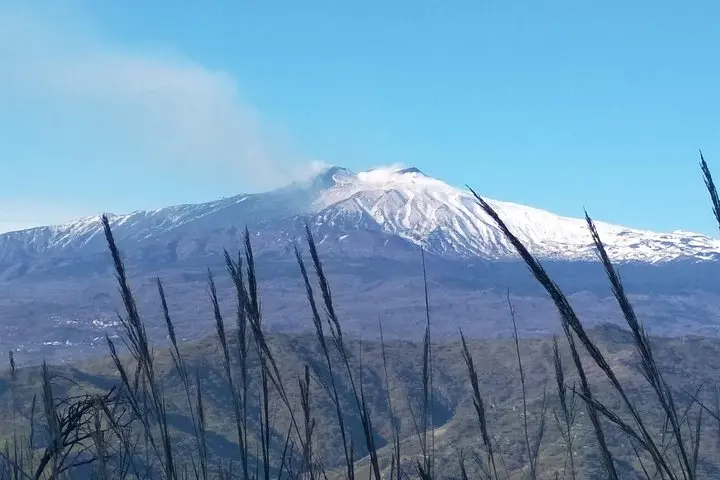
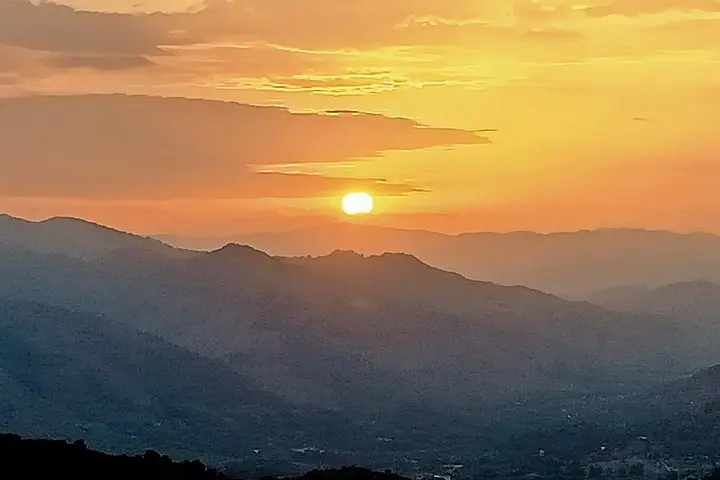
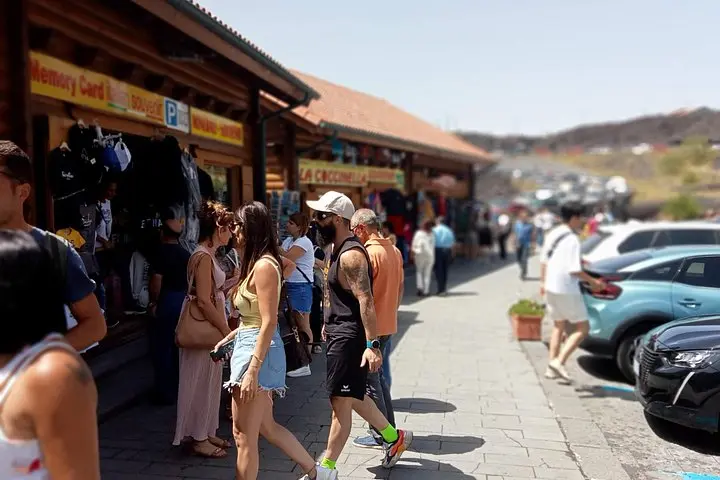
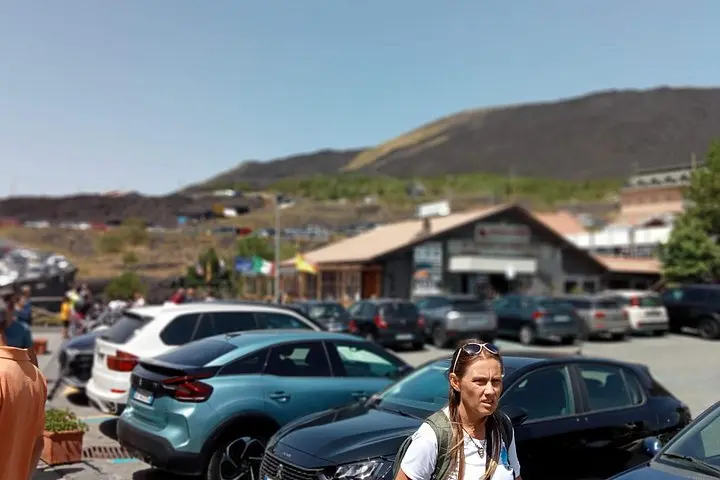
You leave Taormina before the heat, the road rising through chestnut groves until the scrub thins and black lava fields spread like an open wound. The guide parks at Rifugio Sapienza and the first real view opens: the twin Silvestri craters at about 2,000 m, ragged rims that still steam on cool mornings. Wind moves across the basalt and the mountain seems to sigh—an active, patient presence that reshapes the land beneath your boots.
You leave Taormina before the heat, the road rising through chestnut groves until the scrub thins and black lava fields spread like an open wound. The guide parks at Rifugio Sapienza and the first real view opens: the twin Silvestri craters at about 2,000 m, ragged rims that still steam on cool mornings. Wind moves across the basalt and the mountain seems to sigh—an active, patient presence that reshapes the land beneath your boots.
Etna is Europe’s most active volcano, a layered stratovolcano built from repeated eruptions over hundreds of thousands of years. On the southern slopes you’ll pass old lava flows, terraced vineyards and beehives; locals have farmed the volcanic soils for generations, producing honey and wine with mineral-driven flavors. Zafferana Etnea offers a quick cultural stop—a duomo, street food stalls and views back toward the Ionian Sea.
The tour gives two clear options: a self-guided stroll around the Silvestri at 2,000–2,100 m, or an upgraded ascent via cable car and 4x4/trekking to higher craters (permit and alpine guide required above ~3,000 m). Expect loose volcanic scree, sharp wind, and big temperature swings—solar glare at low angles and biting cold on exposed ridges.
Practical notes: wear sturdy hiking boots, layers, sun protection and bring water; allow 5–7 hours door-to-door. If you want summit terrain, reserve the alpine guide and cable-car/jeep upgrades in advance. Weather and volcanic activity can change plans—flexibility and a light, prepared mindset make this a memorable, manageable adventure.