THE ADVENTURE COLLECTIVE® · Independent discovery and booking for outdoor travel

Experience Mount Etna’s dramatic slopes and taste wines made from volcanic soils on a private day tour from Messina. This seven-hour excursion combines accessible crater walks at Monti Silvestri with a guided winery visit and tastings.
Experience Mount Etna’s dramatic slopes and taste wines made from volcanic soils on a private day tour from Messina. This seven-hour excursion combines accessible crater walks at Monti Silvestri with a guided winery visit and tastings.
You step out of the vehicle to wind that smells of sulfur and pine; Etna's slopes rise like a living map of eruptions, black ribbons of lava stitched between vineyards. The guide points to an old cone while the sea lies blue behind the towns you passed — Giarre, Santa Venerina, Zafferana Etnea — each village a marker of human resilience against a volcano that keeps changing the land.
Verified experiences and guided adventures in the surrounding area.
Operated by Uopera tours · Nicolosi, Sicily
You step out of the vehicle to wind that smells of sulfur and pine; Etna's slopes rise like a living map of eruptions, black ribbons of lava stitched between vineyards. The guide points to an old cone while the sea lies blue behind the towns you passed — Giarre, Santa Venerina, Zafferana Etnea — each village a marker of human resilience against a volcano that keeps changing the land.
Etna is Europe’s largest active volcano, with eruptions recorded for more than two millennia. Geologically, the mountain is a composite of basaltic flows, parasitic cones, and ash layers that create abrupt changes in terrain over short distances. Culturally, the slopes host vineyards planted on mineral-rich, well-draining soils; Etna wines (mostly Nerello Mascalese and Carricante) reflect that volcanic terroir. At Monti Silvestri — two 1892 craters near Rifugio Sapienza at about 1,900 m — the landscape is raw and accessible: a short walk around cooled lava and pumice gives a clear sense of volcanic power without technical climbing.
Practically, expect a full private day (about seven hours) with moderate walking, photo stops, entrance to crater areas, and a winery visit including tasting and a cellar tour. Wear sturdy shoes for loose volcanic scree, bring layers for sharp temperature shifts, sunscreen for exposed ridgelines, and a refillable water bottle. If you have respiratory or cardiac issues, limit elevation exposure and tell your guide. The trip blends geological spectacle with local food culture — an efficient way to feel Etna’s geology and taste its vineyards in one day.
The private tour lasts about seven hours and includes hotel/cruise port pickup from Messina, transport to Mount Etna, guided walks around Monti Silvestri, photo stops, a winery visit with tasting, and return to Messina.
No—Monti Silvestri offer short, non-technical loops around inactive craters at roughly 1,900 m and are suitable for most people with basic mobility.
Visitors with respiratory or cardiovascular issues should consult a physician before travel; the guide can shorten walks or avoid higher elevations to reduce strain.
Tastings are included; wineries typically offer multiple pours and sometimes non-alcoholic options or food pairings—inform the operator of preferences in advance.
Uopera tours operates guided outdoor trips and adventures with an emphasis on safety, stewardship, and memorable experiences.
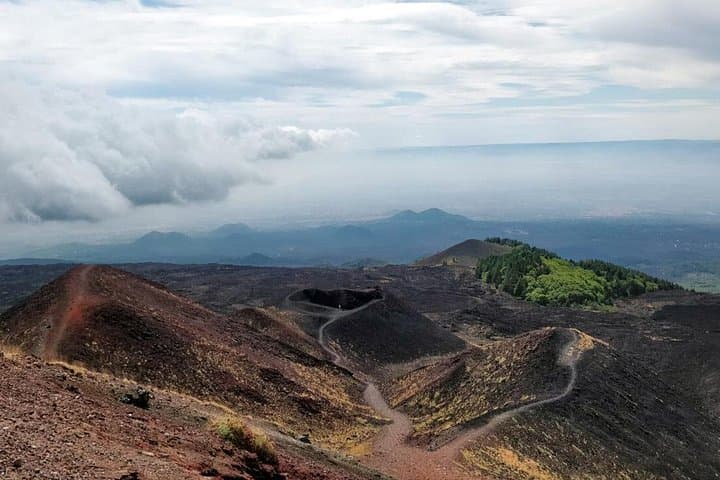
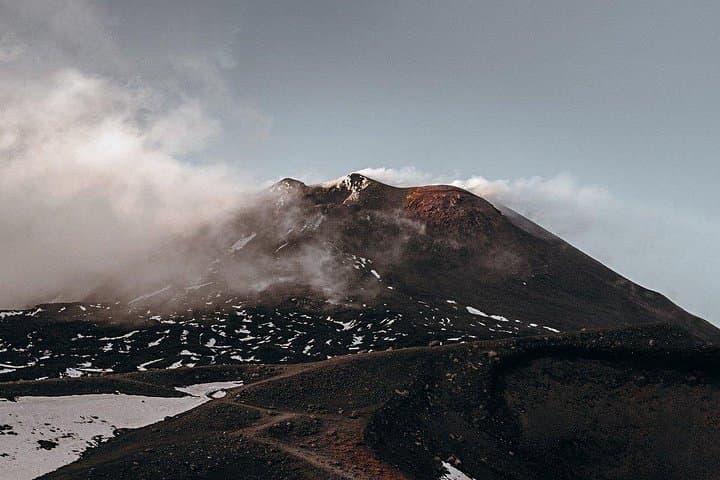
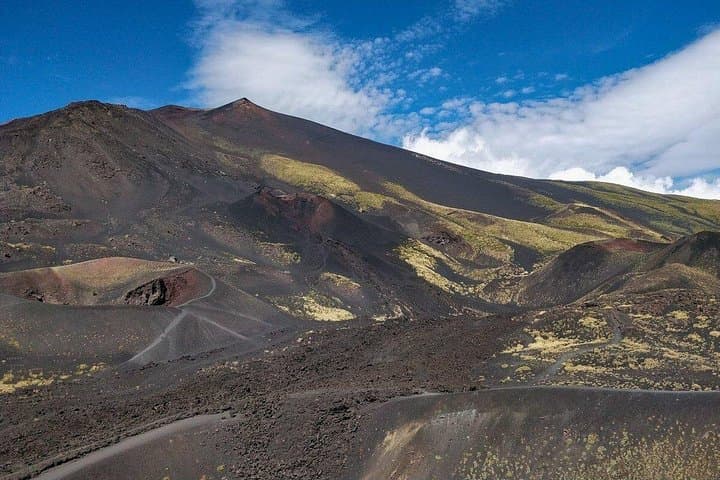
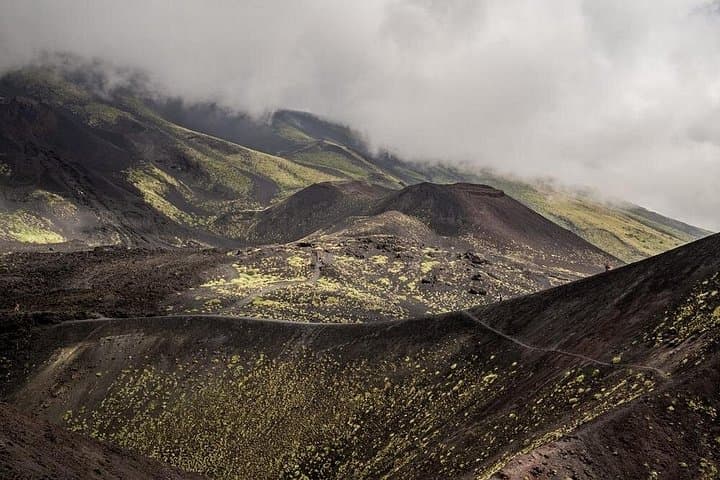
You step out of the vehicle to wind that smells of sulfur and pine; Etna's slopes rise like a living map of eruptions, black ribbons of lava stitched between vineyards. The guide points to an old cone while the sea lies blue behind the towns you passed — Giarre, Santa Venerina, Zafferana Etnea — each village a marker of human resilience against a volcano that keeps changing the land.
You step out of the vehicle to wind that smells of sulfur and pine; Etna's slopes rise like a living map of eruptions, black ribbons of lava stitched between vineyards. The guide points to an old cone while the sea lies blue behind the towns you passed — Giarre, Santa Venerina, Zafferana Etnea — each village a marker of human resilience against a volcano that keeps changing the land.
Etna is Europe’s largest active volcano, with eruptions recorded for more than two millennia. Geologically, the mountain is a composite of basaltic flows, parasitic cones, and ash layers that create abrupt changes in terrain over short distances. Culturally, the slopes host vineyards planted on mineral-rich, well-draining soils; Etna wines (mostly Nerello Mascalese and Carricante) reflect that volcanic terroir. At Monti Silvestri — two 1892 craters near Rifugio Sapienza at about 1,900 m — the landscape is raw and accessible: a short walk around cooled lava and pumice gives a clear sense of volcanic power without technical climbing.
Practically, expect a full private day (about seven hours) with moderate walking, photo stops, entrance to crater areas, and a winery visit including tasting and a cellar tour. Wear sturdy shoes for loose volcanic scree, bring layers for sharp temperature shifts, sunscreen for exposed ridgelines, and a refillable water bottle. If you have respiratory or cardiac issues, limit elevation exposure and tell your guide. The trip blends geological spectacle with local food culture — an efficient way to feel Etna’s geology and taste its vineyards in one day.