THE ADVENTURE COLLECTIVE® · Independent discovery and booking for outdoor travel

Climb the highest paved road in North America on a private, full-day guided drive to Mount Evans. Expect alpine tundra, panoramic summit views, and practical tips to handle thin air and changing weather.
Climb the highest paved road in North America on a private, full-day guided drive to Mount Evans. Expect alpine tundra, panoramic summit views, and practical tips to handle thin air and changing weather.
The engine hums and the road unfurls—tight switchbacks giving way to a widening sky. Pines fall away below as the vehicle climbs, and the air thins until every breath feels deliberate. By mid-morning, you’re above treeline: stunted krummholz bows to open tundra, and the summit of Mount Evans—one of Colorado’s fourteeners—hovers ahead like a white-knuckled promise.
Verified experiences and guided adventures in the surrounding area.
Operated by Breckenridge Adventures · Idaho Springs, Colorado
The engine hums and the road unfurls—tight switchbacks giving way to a widening sky. Pines fall away below as the vehicle climbs, and the air thins until every breath feels deliberate. By mid-morning, you’re above treeline: stunted krummholz bows to open tundra, and the summit of Mount Evans—one of Colorado’s fourteeners—hovers ahead like a white-knuckled promise.
This private, full-day drive traces the highest paved road in North America, delivering summit views without the crampons or camp stove. Guides weave geology and history into the ascent: the Rockies here are ancient, carved by uplift and sculpted by Pleistocene ice. Mount Evans itself (14,271 ft) takes its name from John Evans, an early territorial governor, and the Byway was engineered in the 20th century to open alpine panoramas to motorists.
Culturally, the route crosses lands long used by Ute and Arapaho peoples and later shaped by miners and early road-builders. Stops along the way include Sapphire Point Overlook—an intimate half-mile loop that frames Dillon Reservoir and the Tenmile Range—and Echo Lake Park, where the mountain seems to read itself in glassy water. Loveland Pass and high alpine meadows offer brief interludes for photos and quick walks.
Practical notes matter here. From Echo Lake to the summit the paved roadway climbs several thousand feet over roughly 14 miles, moving from dense forest to exposed tundra; expect wind, sudden weather swings, and dramatic drops at road edges. The summit experience is short but intense: thin air, short walking options on rocky ground, and panoramic exposure with limited services.
Timing is everything—Highway 5 normally opens to the summit from Memorial Day to Labor Day, with partial access afterward weather permitting. Afternoon storms are common in summer; guides recommend early starts and steady hydration. The tour supplies private transport, expert narration, snacks and a packed lunch—so you can focus on the views and short photo hikes rather than logistics.
Prepare for altitude: move slowly, sip water, and avoid sudden exertion. Dress in layers—sun can blister while wind bites—and bring sunscreen and a camera with a wide-angle lens. Wildlife is bold here; keep distance from mountain goats and marmots and respect fragile tundra by staying on the road or established paths.
For travelers who want a high-altitude day that trades miles on foot for front-row vistas, this guided drive delivers. It’s sensory and practical at once: geological context handed down by an informed guide, the comfort of private transport, and the small ritual of stepping out into an alpine world that demands respect and returns it with spectacular clarity.
The Byway is generally open to the summit from Memorial Day through Labor Day; after Labor Day partial access (to Summit Lake) continues into early October, weather permitting.
This private tour lasts about 6–8 hours with hotel pickup available in the Breckenridge area; exact pickup details are arranged with the operator.
No—this is primarily a driving tour with short, optional walks at overlooks and the summit; most viewpoints are accessible from parking areas.
Infants and small children can ride in strollers and infant seats are available; service animals are permitted—check operator policies for specifics.
The tour is not recommended for those with serious cardiovascular issues, pregnancy, severe back problems, vertigo, or a strong fear of heights; those prone to altitude sickness should consult a physician and acclimate beforehand.
Services are limited—there are restrooms at some stops but no full food service; bring water, snacks, and layers for comfort.
Breckenridge Adventures operates guided outdoor trips and adventures with an emphasis on safety, stewardship, and memorable experiences.
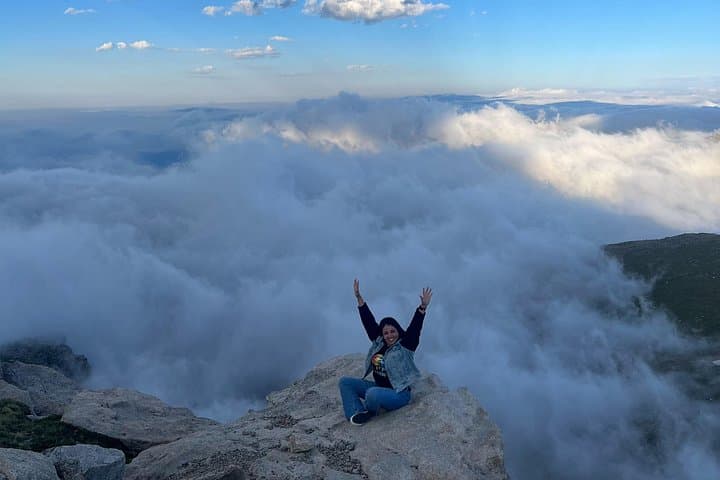
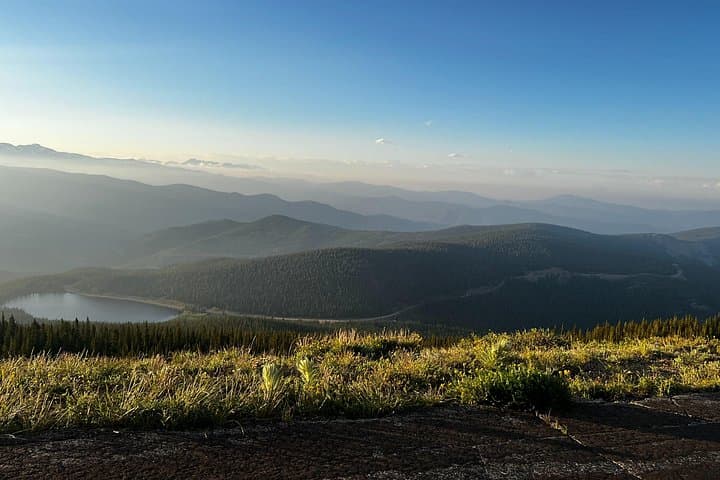
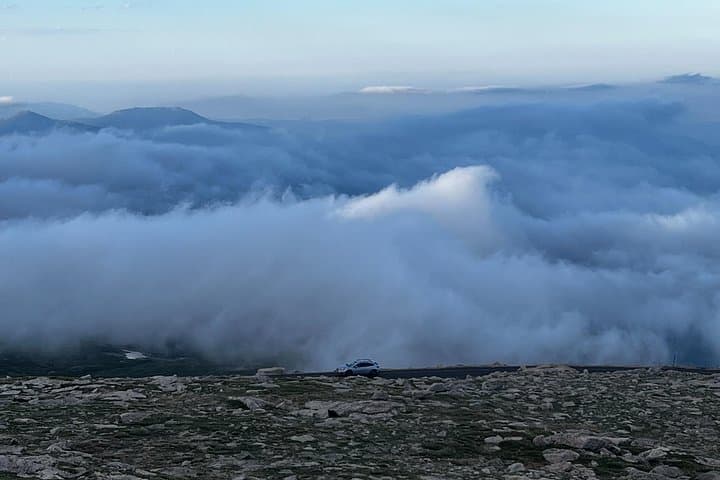
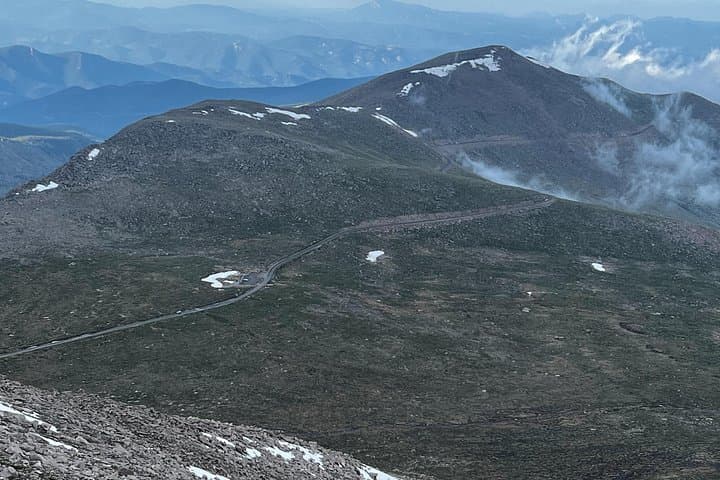
The engine hums and the road unfurls—tight switchbacks giving way to a widening sky. Pines fall away below as the vehicle climbs, and the air thins until every breath feels deliberate. By mid-morning, you’re above treeline: stunted krummholz bows to open tundra, and the summit of Mount Evans—one of Colorado’s fourteeners—hovers ahead like a white-knuckled promise.
The engine hums and the road unfurls—tight switchbacks giving way to a widening sky. Pines fall away below as the vehicle climbs, and the air thins until every breath feels deliberate. By mid-morning, you’re above treeline: stunted krummholz bows to open tundra, and the summit of Mount Evans—one of Colorado’s fourteeners—hovers ahead like a white-knuckled promise.
This private, full-day drive traces the highest paved road in North America, delivering summit views without the crampons or camp stove. Guides weave geology and history into the ascent: the Rockies here are ancient, carved by uplift and sculpted by Pleistocene ice. Mount Evans itself (14,271 ft) takes its name from John Evans, an early territorial governor, and the Byway was engineered in the 20th century to open alpine panoramas to motorists.
Culturally, the route crosses lands long used by Ute and Arapaho peoples and later shaped by miners and early road-builders. Stops along the way include Sapphire Point Overlook—an intimate half-mile loop that frames Dillon Reservoir and the Tenmile Range—and Echo Lake Park, where the mountain seems to read itself in glassy water. Loveland Pass and high alpine meadows offer brief interludes for photos and quick walks.
Practical notes matter here. From Echo Lake to the summit the paved roadway climbs several thousand feet over roughly 14 miles, moving from dense forest to exposed tundra; expect wind, sudden weather swings, and dramatic drops at road edges. The summit experience is short but intense: thin air, short walking options on rocky ground, and panoramic exposure with limited services.
Timing is everything—Highway 5 normally opens to the summit from Memorial Day to Labor Day, with partial access afterward weather permitting. Afternoon storms are common in summer; guides recommend early starts and steady hydration. The tour supplies private transport, expert narration, snacks and a packed lunch—so you can focus on the views and short photo hikes rather than logistics.
Prepare for altitude: move slowly, sip water, and avoid sudden exertion. Dress in layers—sun can blister while wind bites—and bring sunscreen and a camera with a wide-angle lens. Wildlife is bold here; keep distance from mountain goats and marmots and respect fragile tundra by staying on the road or established paths.
For travelers who want a high-altitude day that trades miles on foot for front-row vistas, this guided drive delivers. It’s sensory and practical at once: geological context handed down by an informed guide, the comfort of private transport, and the small ritual of stepping out into an alpine world that demands respect and returns it with spectacular clarity.