THE ADVENTURE COLLECTIVE® · Independent discovery and booking for outdoor travel

A sunrise helicopter flight from Kathmandu delivers panoramic views and short landings near Kala Patthar and Hotel Everest View. This 4–5 hour tour gives close-up access to Everest’s ridgelines with minimal trekking.
A sunrise helicopter flight from Kathmandu delivers panoramic views and short landings near Kala Patthar and Hotel Everest View. This 4–5 hour tour gives close-up access to Everest’s ridgelines with minimal trekking.
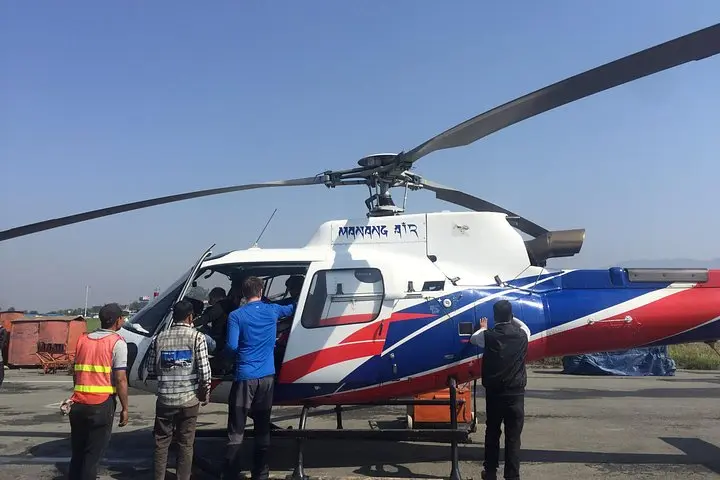
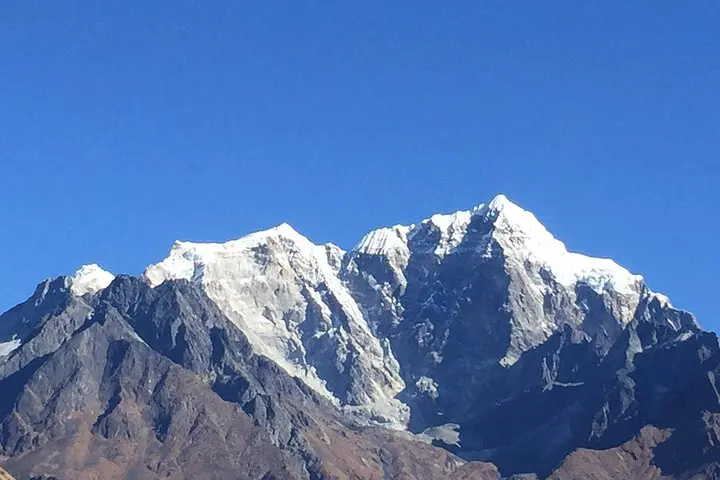
You lift off from a Kathmandu heli-pad and the valley shrinks beneath you: terraced fields become a patchwork quilt, the Bagmati threading like a silver ribbon. The helicopter climbs, the air thins, and a jagged crown of rock and ice suddenly fills the cabin windows — Mount Everest itself, close enough to read the contours of its ridges.
Verified experiences and guided adventures in the surrounding area.
Operated by Outdoor Himalayan Treks P Ltd. · Kathmandu, Bagmati Province
You lift off from a Kathmandu heli-pad and the valley shrinks beneath you: terraced fields become a patchwork quilt, the Bagmati threading like a silver ribbon. The helicopter climbs, the air thins, and a jagged crown of rock and ice suddenly fills the cabin windows — Mount Everest itself, close enough to read the contours of its ridges.
This one-day aerial excursion visits Lukla and Pheriche on the way to scenic landings near Kala Patthar and the Hotel Everest View (about 3,900 m). The flight follows classic Himalayan geology: young, uplifted sedimentary layers folded and faulted into soaring peaks. Sherpa villages like Lukla and Pheriche reveal a living mountaineering culture shaped by Tibetan trade routes, Buddhist monasteries, and decades of expedition history since the 1953 summit.
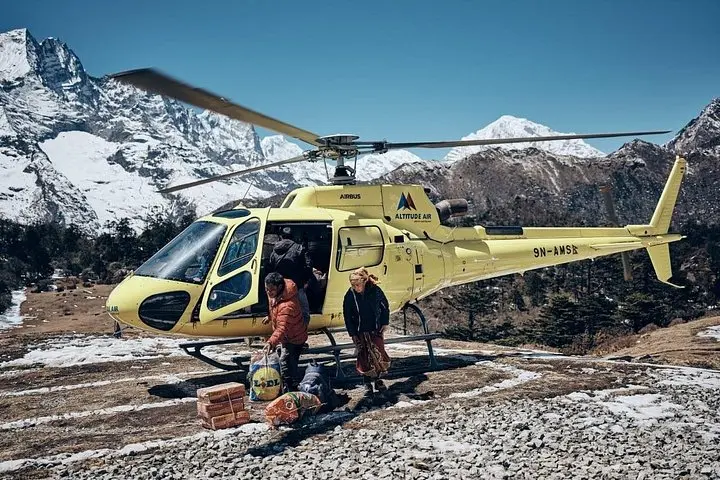
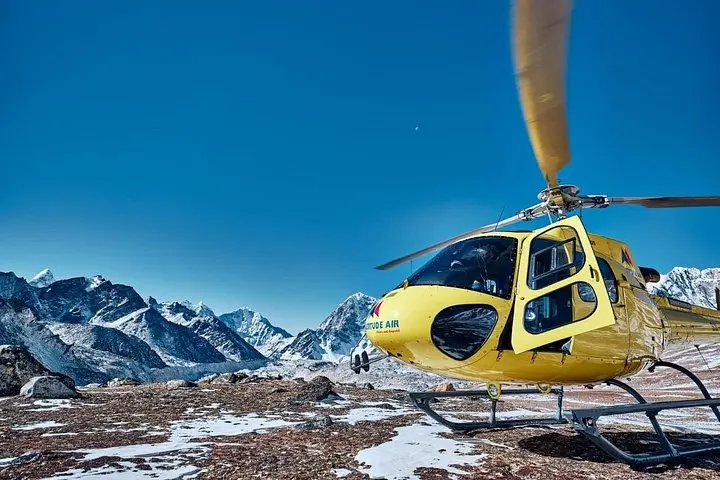
Expect short on-ground stops for photos, a breakfast stop at Hotel Everest View, and time at viewpoints where wind scours snow into sharp cornices. The landings give you a tactile sense of altitude — the sun is brighter, breath is shorter, and prayer flags snap like small flags of arrival.
Practical guidance: wear warm layers and windproof outerwear, bring sunglasses and a camera with a wide lens, and plan for a total outing of roughly 4–5 hours including transfers. The tour is physically easy but not immune to altitude effects; move deliberately during landings and follow staff instructions. Morning departures offer the clearest visibility; afternoons can cloud in. Respect local customs at village stops and pack out any waste to reduce pressure on fragile high‑altitude environments.
Helicopters land at designated high‑altitude viewpoints like Kala Patthar and near Hotel Everest View; they do not land on the summit itself.
Because stops reach around 3,900–4,500 m briefly, some people may feel mild symptoms; inform operators of heart/lung conditions and descend if symptoms worsen.
Early morning flights generally offer the clearest views before afternoon cloud build‑up, especially in spring and autumn.
The itinerary typically includes hotel pick‑up and a breakfast stop at Hotel Everest View; confirm specifics with the operator before booking.
Outdoor Himalayan Treks P Ltd. operates guided outdoor trips and adventures with an emphasis on safety, stewardship, and memorable experiences.
You lift off from a Kathmandu heli-pad and the valley shrinks beneath you: terraced fields become a patchwork quilt, the Bagmati threading like a silver ribbon. The helicopter climbs, the air thins, and a jagged crown of rock and ice suddenly fills the cabin windows — Mount Everest itself, close enough to read the contours of its ridges.
You lift off from a Kathmandu heli-pad and the valley shrinks beneath you: terraced fields become a patchwork quilt, the Bagmati threading like a silver ribbon. The helicopter climbs, the air thins, and a jagged crown of rock and ice suddenly fills the cabin windows — Mount Everest itself, close enough to read the contours of its ridges.
This one-day aerial excursion visits Lukla and Pheriche on the way to scenic landings near Kala Patthar and the Hotel Everest View (about 3,900 m). The flight follows classic Himalayan geology: young, uplifted sedimentary layers folded and faulted into soaring peaks. Sherpa villages like Lukla and Pheriche reveal a living mountaineering culture shaped by Tibetan trade routes, Buddhist monasteries, and decades of expedition history since the 1953 summit.
Expect short on-ground stops for photos, a breakfast stop at Hotel Everest View, and time at viewpoints where wind scours snow into sharp cornices. The landings give you a tactile sense of altitude — the sun is brighter, breath is shorter, and prayer flags snap like small flags of arrival.
Practical guidance: wear warm layers and windproof outerwear, bring sunglasses and a camera with a wide lens, and plan for a total outing of roughly 4–5 hours including transfers. The tour is physically easy but not immune to altitude effects; move deliberately during landings and follow staff instructions. Morning departures offer the clearest visibility; afternoons can cloud in. Respect local customs at village stops and pack out any waste to reduce pressure on fragile high‑altitude environments.