THE ADVENTURE COLLECTIVE® · Independent discovery and booking for outdoor travel

See Mount Fuji up close from the 5th Station, wander the crystal pools of Oshino Hakkai, and finish with optional outlet shopping or an open-air hot spring. This full-day route mixes geology, culture, and easy access for travelers based near Kawaguchiko or Tokyo.
See Mount Fuji up close from the 5th Station, wander the crystal pools of Oshino Hakkai, and finish with optional outlet shopping or an open-air hot spring. This full-day route mixes geology, culture, and easy access for travelers based near Kawaguchiko or Tokyo.
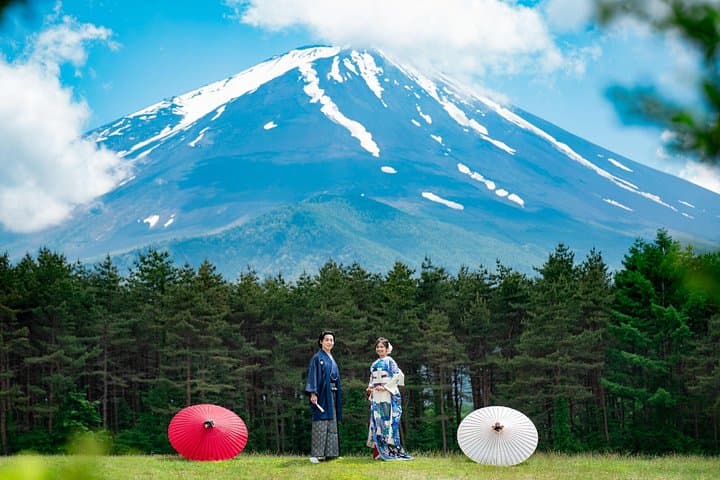
You step out of the coach into thin, clear air at the Mount Fuji 5th Station and the mountain seems to lean closer — not distant postcard scenery but a presence you can almost reach for. The ramparts of volcanic rock rise behind you while below, valleys and lakes stretch into a bright patchwork; on clear days Lake Kawaguchi mirrors the peak. Later the tour threads down to Oshino Hakkai, where springs filtered through Fuji’s lava whisper cold and crystal across stone basins.
Verified experiences and guided adventures in the surrounding area.
Operated by Extragreen Holidays · Fujiyoshida, Yamanashi Prefecture
You step out of the coach into thin, clear air at the Mount Fuji 5th Station and the mountain seems to lean closer — not distant postcard scenery but a presence you can almost reach for. The ramparts of volcanic rock rise behind you while below, valleys and lakes stretch into a bright patchwork; on clear days Lake Kawaguchi mirrors the peak. Later the tour threads down to Oshino Hakkai, where springs filtered through Fuji’s lava whisper cold and crystal across stone basins.
This route traces both natural and cultural lines: Mount Fuji’s volcanic geology created the porous aquifers that feed Oshino Hakkai’s eight pools, now a nationally designated natural monument. Fujisan has long been central to local Shintō practice; nearby shrines and the hot-spring bathing tradition reflect that spiritual geography.
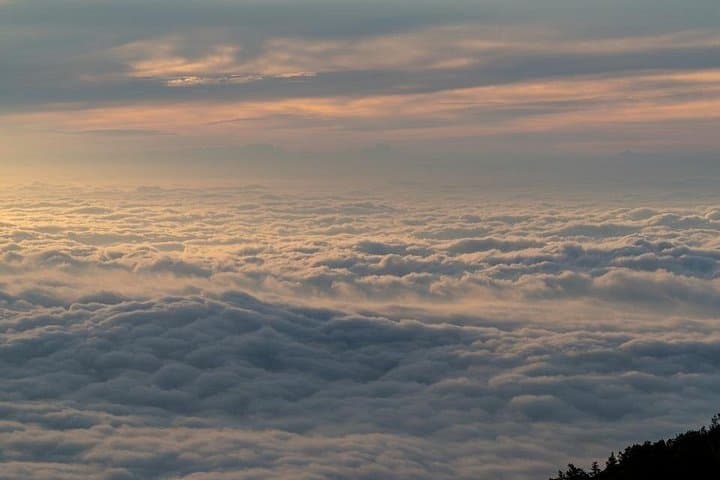
Practically, expect a long day of driving from Tokyo with several set stops — the 5th Station (approx. 2,300 m), an hour at Oshino Hakkai, then either outlet shopping at Gotemba or a return to the Ki no Hana no Yu open-air onsen with views of the peak. Dress in layers for rapid temperature change, bring cash for small vendors and optional baths, and plan for variable visibility — the best light is early or late when clouds often break to reveal Fuji’s flanks.
This one-day loop is less about strenuous ascent and more about access: close-up mountain perspectives, freshwater springs that reflect the peak, and the restorative hot-spring option. It’s an efficient way to experience Fuji’s geology, waterscapes, and a slice of local culture in a single, memorable day.
The tour runs roughly 9–10 hours and typically departs from central Tokyo meeting points such as Shinjuku or Tokyo Station.
The 5th Station is a viewing and acclimatization point at about 2,300 m; summit attempts require separate, multi-day planning and permits.
Admission to natural viewpoints and Oshino Hakkai is generally free; optional onsen bathing and shopping at Gotemba are at guest expense.
The tour notes it is not recommended for travelers with serious cardiovascular problems; minimal walking is required but there are uneven surfaces and altitude exposure.
Extragreen Holidays operates guided outdoor trips and adventures with an emphasis on safety, stewardship, and memorable experiences.


You step out of the coach into thin, clear air at the Mount Fuji 5th Station and the mountain seems to lean closer — not distant postcard scenery but a presence you can almost reach for. The ramparts of volcanic rock rise behind you while below, valleys and lakes stretch into a bright patchwork; on clear days Lake Kawaguchi mirrors the peak. Later the tour threads down to Oshino Hakkai, where springs filtered through Fuji’s lava whisper cold and crystal across stone basins.
You step out of the coach into thin, clear air at the Mount Fuji 5th Station and the mountain seems to lean closer — not distant postcard scenery but a presence you can almost reach for. The ramparts of volcanic rock rise behind you while below, valleys and lakes stretch into a bright patchwork; on clear days Lake Kawaguchi mirrors the peak. Later the tour threads down to Oshino Hakkai, where springs filtered through Fuji’s lava whisper cold and crystal across stone basins.
This route traces both natural and cultural lines: Mount Fuji’s volcanic geology created the porous aquifers that feed Oshino Hakkai’s eight pools, now a nationally designated natural monument. Fujisan has long been central to local Shintō practice; nearby shrines and the hot-spring bathing tradition reflect that spiritual geography.
Practically, expect a long day of driving from Tokyo with several set stops — the 5th Station (approx. 2,300 m), an hour at Oshino Hakkai, then either outlet shopping at Gotemba or a return to the Ki no Hana no Yu open-air onsen with views of the peak. Dress in layers for rapid temperature change, bring cash for small vendors and optional baths, and plan for variable visibility — the best light is early or late when clouds often break to reveal Fuji’s flanks.
This one-day loop is less about strenuous ascent and more about access: close-up mountain perspectives, freshwater springs that reflect the peak, and the restorative hot-spring option. It’s an efficient way to experience Fuji’s geology, waterscapes, and a slice of local culture in a single, memorable day.