THE ADVENTURE COLLECTIVE® · Independent discovery and booking for outdoor travel

Spend a day around Mount Fuji visiting Oshino Hakkai’s crystal ponds, riding the Kawaguchiko cable car for sweeping views, and learning a traditional matcha ceremony. This accessible full-day tour blends geology, culture, and picture-perfect stops around the Fuji Five Lakes.
Spend a day around Mount Fuji visiting Oshino Hakkai’s crystal ponds, riding the Kawaguchiko cable car for sweeping views, and learning a traditional matcha ceremony. This accessible full-day tour blends geology, culture, and picture-perfect stops around the Fuji Five Lakes.
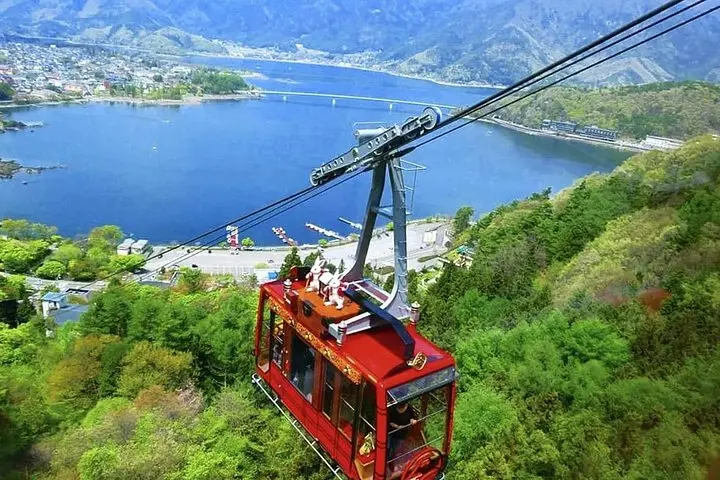
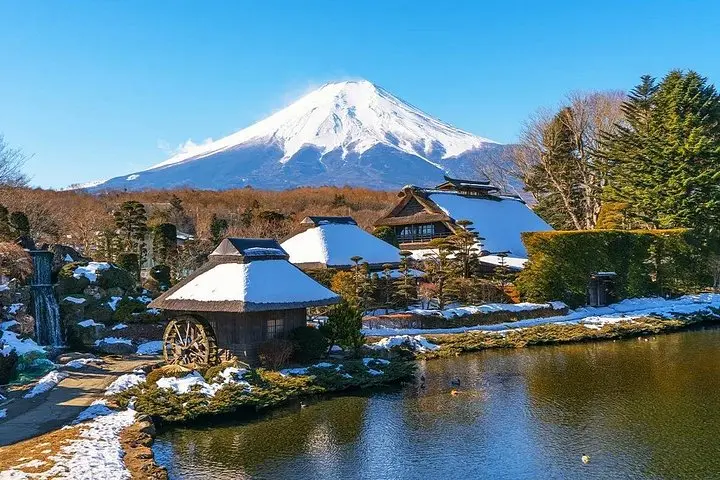
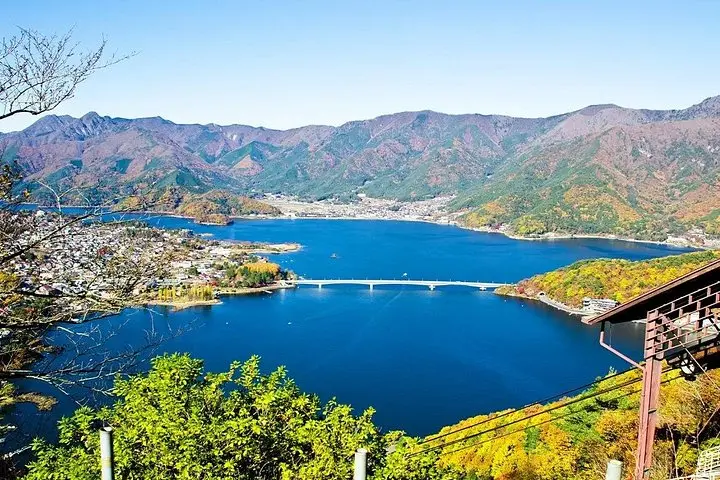
You step off the van into a crisp mountain hush; Mount Fuji looms above the raked rooftops and glassy ponds, its cone punctuating the sky like a quiet challenge. The tour threads through village lanes at Oshino Hakkai where eight spring-fed ponds mirror the peak, then climbs by cable car above Lake Kawaguchi for a panoramic pulse of the Fuji Five Lakes.
Verified experiences and guided adventures in the surrounding area.
Operated by TrevoTour Travels · Fujikawaguchiko, Yamanashi Prefecture
You step off the van into a crisp mountain hush; Mount Fuji looms above the raked rooftops and glassy ponds, its cone punctuating the sky like a quiet challenge. The tour threads through village lanes at Oshino Hakkai where eight spring-fed ponds mirror the peak, then climbs by cable car above Lake Kawaguchi for a panoramic pulse of the Fuji Five Lakes.
Geology here is immediate: Fuji’s volcanic cone is the youngest of Japan’s three sacred mountains, a stratovolcano whose snowmelt feeds the region’s crystalline springs. Oshino Hakkai’s ponds are filtered through volcanic basalt, producing water prized for purity and linked historically to local pilgrimage and Shinto reverence for the mountain.
Culturally, the day balances ordinary Japan—Lawson convenience-store photo ops and lakeside snack stands—with deliberate rituals: a guided matcha ceremony that teaches whisking, timing, and the quiet etiquette around green tea.
Practically, expect a full day (roughly 7–8 hours) with short walks on flat, often paved paths, a cable car ascent with an observation deck, and stops framed for photography. Weather changes rapidly at Fuji’s elevation; clear mornings offer the best reflections. Bring layers, a windproof shell, and comfortable walking shoes. Hydrate between stops and carry cash for small vendors. If the cable car is closed for weather, the itinerary switches to a scenic lake cruise—still excellent for views. The tour is accessible for most travelers and provides a compact, well-paced introduction to Mount Fuji’s natural power and local traditions.
The tour runs about 7–8 hours and includes round-trip transport between the departure point and the listed sites.
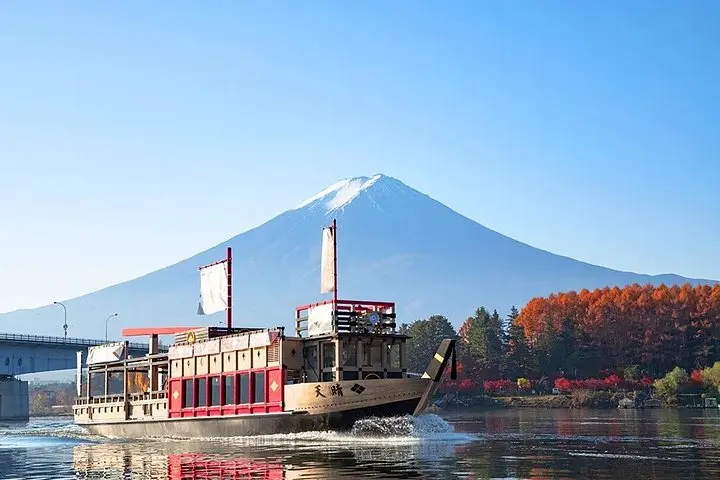
If the cable car is unavailable, the itinerary typically substitutes a scenic lake cruise on Lake Kawaguchi for comparable views.
Yes—the matcha ceremony is guided and designed for novices, including tasting traditional sweets alongside the tea.
The tour notes wheelchair accessibility and stroller access for some stops, but check with the operator about specific needs and vehicle space.
TrevoTour Travels operates guided outdoor trips and adventures with an emphasis on safety, stewardship, and memorable experiences.
You step off the van into a crisp mountain hush; Mount Fuji looms above the raked rooftops and glassy ponds, its cone punctuating the sky like a quiet challenge. The tour threads through village lanes at Oshino Hakkai where eight spring-fed ponds mirror the peak, then climbs by cable car above Lake Kawaguchi for a panoramic pulse of the Fuji Five Lakes.
You step off the van into a crisp mountain hush; Mount Fuji looms above the raked rooftops and glassy ponds, its cone punctuating the sky like a quiet challenge. The tour threads through village lanes at Oshino Hakkai where eight spring-fed ponds mirror the peak, then climbs by cable car above Lake Kawaguchi for a panoramic pulse of the Fuji Five Lakes.
Geology here is immediate: Fuji’s volcanic cone is the youngest of Japan’s three sacred mountains, a stratovolcano whose snowmelt feeds the region’s crystalline springs. Oshino Hakkai’s ponds are filtered through volcanic basalt, producing water prized for purity and linked historically to local pilgrimage and Shinto reverence for the mountain.
Culturally, the day balances ordinary Japan—Lawson convenience-store photo ops and lakeside snack stands—with deliberate rituals: a guided matcha ceremony that teaches whisking, timing, and the quiet etiquette around green tea.
Practically, expect a full day (roughly 7–8 hours) with short walks on flat, often paved paths, a cable car ascent with an observation deck, and stops framed for photography. Weather changes rapidly at Fuji’s elevation; clear mornings offer the best reflections. Bring layers, a windproof shell, and comfortable walking shoes. Hydrate between stops and carry cash for small vendors. If the cable car is closed for weather, the itinerary switches to a scenic lake cruise—still excellent for views. The tour is accessible for most travelers and provides a compact, well-paced introduction to Mount Fuji’s natural power and local traditions.