THE ADVENTURE COLLECTIVE® · Independent discovery and booking for outdoor travel

Trade Tokyo’s city pace for a long day around Lake Kawaguchiko: ropeway views, shrine walks and a compact art museum, all staged to reveal Mount Fuji from memorable angles. This guided public-transport day trip packs nature, culture and photography into a single, manageable outing.
Trade Tokyo’s city pace for a long day around Lake Kawaguchiko: ropeway views, shrine walks and a compact art museum, all staged to reveal Mount Fuji from memorable angles. This guided public-transport day trip packs nature, culture and photography into a single, manageable outing.
The morning light over Lake Kawaguchiko can be blunt and honest — clear air, crisp reflections, and Mount Fuji standing like a patient challenge across the water. On this full-day route from Shinjuku, travelers trade Tokyo’s grid for open shorelines, ropeway lift lines, shrine walks and a compact museum dedicated to kimono art, all arranged to deliver repeated, framed views of Japan’s highest peak.
Verified experiences and guided adventures in the surrounding area.
Operated by Snow Monkey Resorts Tours (Machinovate Japan Ltd.) · Fujikawaguchiko, Yamanashi
The morning light over Lake Kawaguchiko can be blunt and honest — clear air, crisp reflections, and Mount Fuji standing like a patient challenge across the water. On this full-day route from Shinjuku, travelers trade Tokyo’s grid for open shorelines, ropeway lift lines, shrine walks and a compact museum dedicated to kimono art, all arranged to deliver repeated, framed views of Japan’s highest peak.
Geology here is readable: volcanic slopes that built Fuji rise abruptly from the lake basins carved by ancient eruptions and glacial action. The lakes themselves are part of the Fuji Five Lakes system, formed as lava dams and volcanic depressions that now catch the mountain’s runoff. Culturally, the Kawaguchiko area has long been a pilgrimage and pictorial subject — temples and local shrines punctuate the shoreline, and the region’s artisans interpret Fuji in textiles and ceramics.
Practical guidance is straightforward. The day uses public transport: a highway bus from Shinjuku, local sightseeing bus passes and the Fuji Ropeway, so expect a mix of short walks and longer standing windows of travel. Bring layers for elevation change at the ropeway summit, a camera with a good zoom for Fuji’s distant ridgelines, and cash for small museum purchases and shrine donations. Timing matters: clear mornings or late afternoons offer the best light and calmer air; cloud cover can obscure the summit quickly. Hydrate, wear supportive shoes for paved and uneven paths, and plan to be away from Tokyo for roughly 11–12 hours. For anyone wanting efficient access to Fuji’s classic angles without driving, this itinerary balances outdoor walking, cultural stops and high-elevation perspectives.
The tour runs roughly 11–12 hours door-to-door, with a morning highway bus from Shinjuku and an evening return bus to Tokyo.
Yes — the itinerary is paced with coach and sightseeing bus transfers and short walks; however, participants should be comfortable walking for several hours and using the ropeway.
Clear visibility depends on weather; mornings and late afternoons often offer the best chances, but cloud cover can obscure the summit at any time.
Admission to the listed museum and ropeway round trip, a local English-speaking guide, the Shinjuku-Kawaguchiko highway bus return and a one-day sightseeing bus pass are included.
Snow Monkey Resorts Tours (Machinovate Japan Ltd.) operates guided outdoor trips and adventures with an emphasis on safety, stewardship, and memorable experiences.
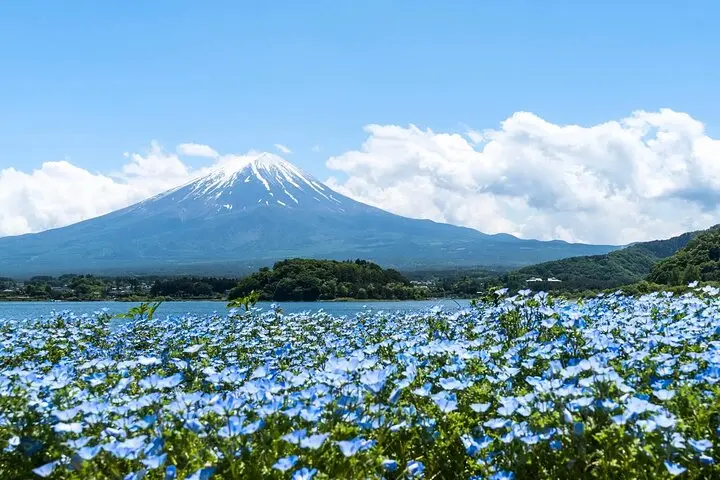
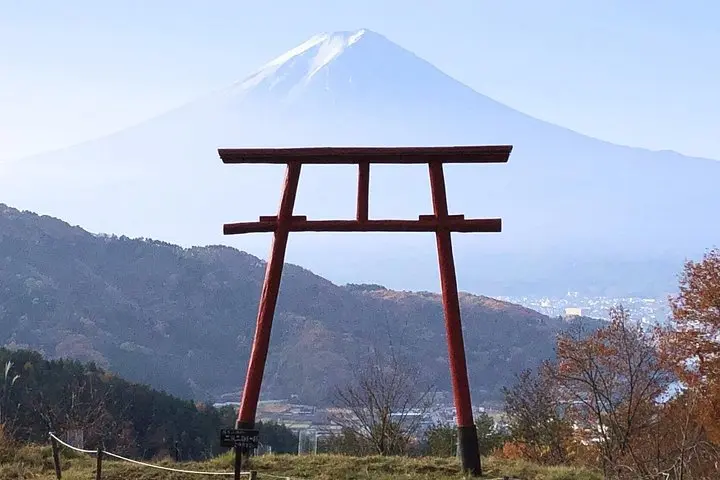
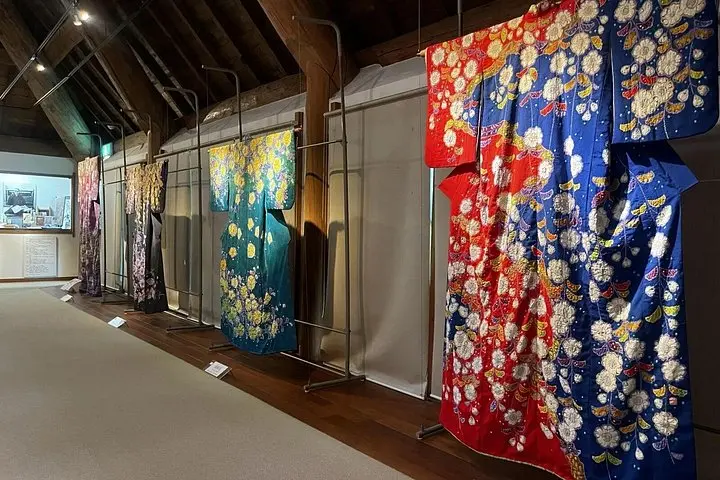
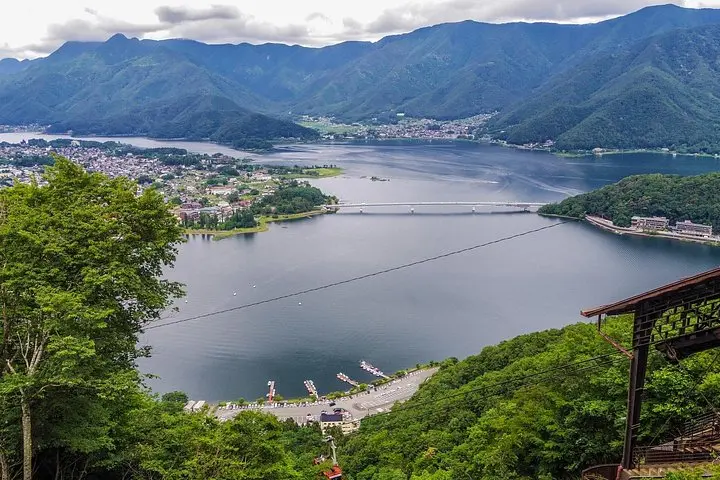
The morning light over Lake Kawaguchiko can be blunt and honest — clear air, crisp reflections, and Mount Fuji standing like a patient challenge across the water. On this full-day route from Shinjuku, travelers trade Tokyo’s grid for open shorelines, ropeway lift lines, shrine walks and a compact museum dedicated to kimono art, all arranged to deliver repeated, framed views of Japan’s highest peak.
The morning light over Lake Kawaguchiko can be blunt and honest — clear air, crisp reflections, and Mount Fuji standing like a patient challenge across the water. On this full-day route from Shinjuku, travelers trade Tokyo’s grid for open shorelines, ropeway lift lines, shrine walks and a compact museum dedicated to kimono art, all arranged to deliver repeated, framed views of Japan’s highest peak.
Geology here is readable: volcanic slopes that built Fuji rise abruptly from the lake basins carved by ancient eruptions and glacial action. The lakes themselves are part of the Fuji Five Lakes system, formed as lava dams and volcanic depressions that now catch the mountain’s runoff. Culturally, the Kawaguchiko area has long been a pilgrimage and pictorial subject — temples and local shrines punctuate the shoreline, and the region’s artisans interpret Fuji in textiles and ceramics.
Practical guidance is straightforward. The day uses public transport: a highway bus from Shinjuku, local sightseeing bus passes and the Fuji Ropeway, so expect a mix of short walks and longer standing windows of travel. Bring layers for elevation change at the ropeway summit, a camera with a good zoom for Fuji’s distant ridgelines, and cash for small museum purchases and shrine donations. Timing matters: clear mornings or late afternoons offer the best light and calmer air; cloud cover can obscure the summit quickly. Hydrate, wear supportive shoes for paved and uneven paths, and plan to be away from Tokyo for roughly 11–12 hours. For anyone wanting efficient access to Fuji’s classic angles without driving, this itinerary balances outdoor walking, cultural stops and high-elevation perspectives.