THE ADVENTURE COLLECTIVE® · Independent discovery and booking for outdoor travel

A full-day escape from Tokyo that strings together Mount Fuji’s most photo-ready stops: Chureito Pagoda, Oshino Hakkai’s spring pools, Lake Kawaguchi’s shoreline and seasonal Maple Corridor. Early starts and layered clothing make the difference between a good view and a legendary one.
A full-day escape from Tokyo that strings together Mount Fuji’s most photo-ready stops: Chureito Pagoda, Oshino Hakkai’s spring pools, Lake Kawaguchi’s shoreline and seasonal Maple Corridor. Early starts and layered clothing make the difference between a good view and a legendary one.
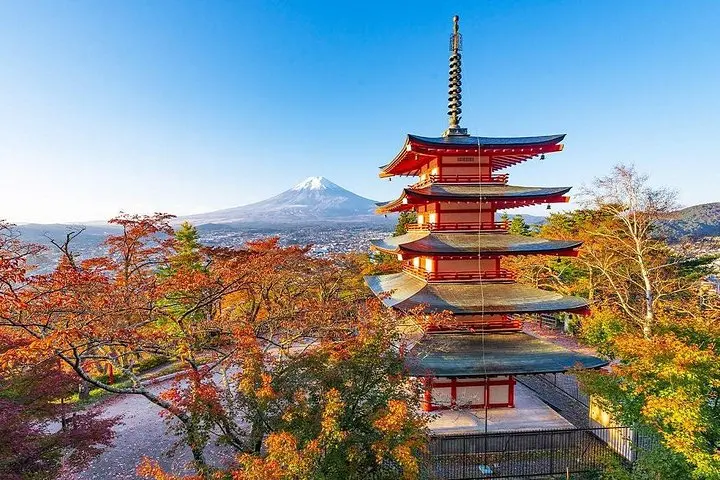
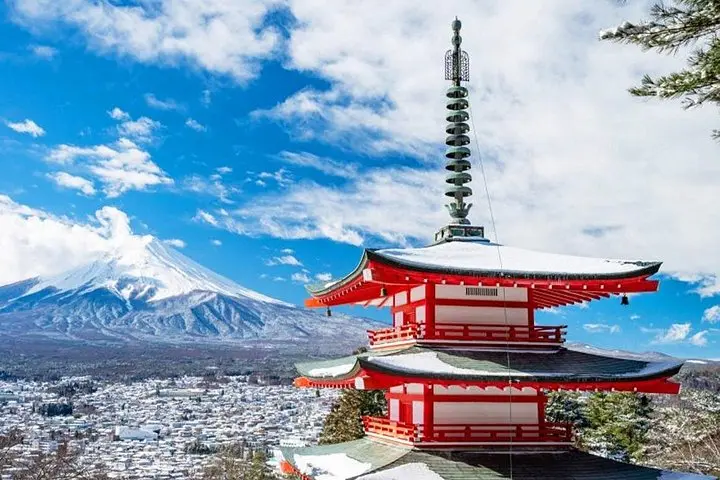
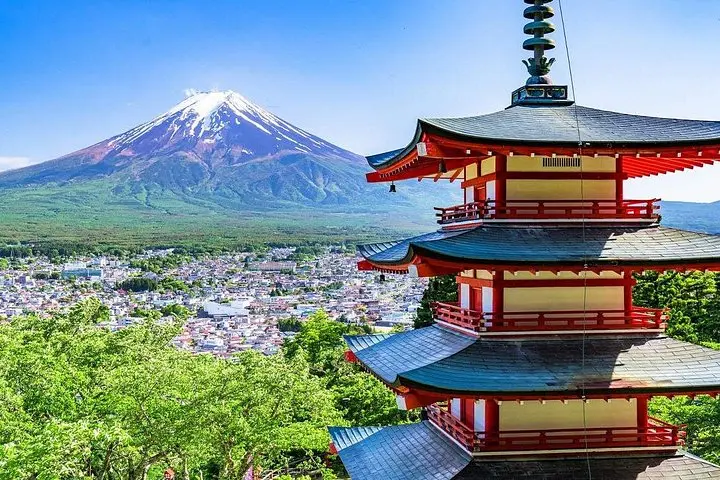
You step off the coach and the air seems to rearrange itself around one shape: the cone of Mount Fuji, towering and patient above ribboned rice fields and glassy lakes. The morning light often pins the mountain sharp against the sky at Arakurayama Sengen Park, where the Chureito Pagoda sits on a hill and 398 stone steps frame a classic Fuji shot.
Verified experiences and guided adventures in the surrounding area.
Operated by TREVOPEDIA · Fujikawaguchiko, Yamanashi Prefecture
You step off the coach and the air seems to rearrange itself around one shape: the cone of Mount Fuji, towering and patient above ribboned rice fields and glassy lakes. The morning light often pins the mountain sharp against the sky at Arakurayama Sengen Park, where the Chureito Pagoda sits on a hill and 398 stone steps frame a classic Fuji shot.
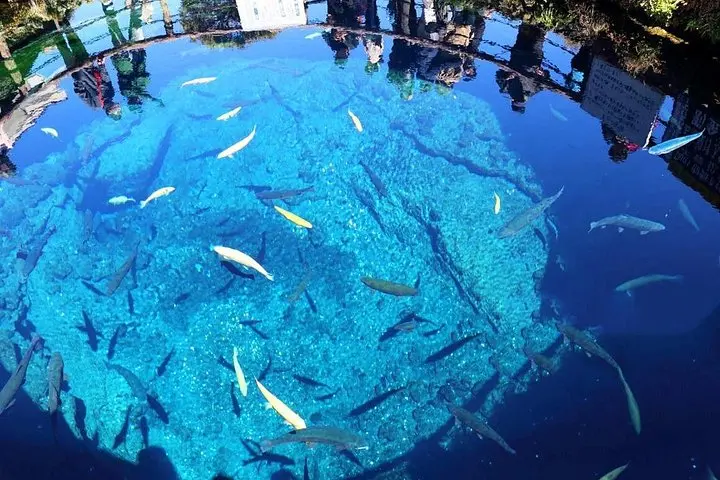
Geologically, Fuji is Japan’s youngest stratovolcano; its eruptions shaped the Fuji Five Lakes that now reflect the peak. Oshino Hakkai’s clear spring pools are fed by Mount Fuji’s aquifer—water filtered through volcanic rock for decades—so the pools feel impossibly pure. Kawaguchiko rims the mountain with accessible shorelines, flower displays, and a seasonal Maple Corridor that ignites in November.
Culturally, the mountain has been a pilgrimage target for centuries; shrines and small artisan shops like the Hikawa Clock Shop hint at the region’s local rhythms—tea houses, market stalls, and a slower pace than Tokyo’s pulse.
Practical guidance: arrive early for the clearest views and to beat crowds, especially at Chureito and Oishi Park. Bring layered clothing—wind on the lakes can be sharp—and a compact tripod for dawn or low-light shots. Respect local signs: some viral photo spots (notably the Lawson view) have access restrictions and barriers to protect traffic and residents. Expect a mostly coach-paced day with short walks and steps; the trip is accessible to most travelers but involves intermittent standing and stairs.
Timing, small cash for local stalls, and a patient eye for composition will make this day out of Tokyo both efficient and quietly memorable.
The tour runs about 7–8 hours with mostly coach travel and short guided walks at each stop; expect some standing and a climb of ~398 steps at Chureito if you visit the pagoda viewpoint.
Visibility depends on weather and season—clear mornings and colder months often offer the best views, but clouds can obscure the peak; guides may adjust stops if visibility is poor.
Many transport and attraction areas are accessible, but the Chureito Pagoda viewpoint requires stairs; notify operators in advance for specific accessibility arrangements.
No advance reservation is typically required for public parks and Oshino Hakkai, but capacity or weather can affect access and the guide may modify the itinerary.
TREVOPEDIA operates guided outdoor trips and adventures with an emphasis on safety, stewardship, and memorable experiences.
You step off the coach and the air seems to rearrange itself around one shape: the cone of Mount Fuji, towering and patient above ribboned rice fields and glassy lakes. The morning light often pins the mountain sharp against the sky at Arakurayama Sengen Park, where the Chureito Pagoda sits on a hill and 398 stone steps frame a classic Fuji shot.
You step off the coach and the air seems to rearrange itself around one shape: the cone of Mount Fuji, towering and patient above ribboned rice fields and glassy lakes. The morning light often pins the mountain sharp against the sky at Arakurayama Sengen Park, where the Chureito Pagoda sits on a hill and 398 stone steps frame a classic Fuji shot.
Geologically, Fuji is Japan’s youngest stratovolcano; its eruptions shaped the Fuji Five Lakes that now reflect the peak. Oshino Hakkai’s clear spring pools are fed by Mount Fuji’s aquifer—water filtered through volcanic rock for decades—so the pools feel impossibly pure. Kawaguchiko rims the mountain with accessible shorelines, flower displays, and a seasonal Maple Corridor that ignites in November.
Culturally, the mountain has been a pilgrimage target for centuries; shrines and small artisan shops like the Hikawa Clock Shop hint at the region’s local rhythms—tea houses, market stalls, and a slower pace than Tokyo’s pulse.
Practical guidance: arrive early for the clearest views and to beat crowds, especially at Chureito and Oishi Park. Bring layered clothing—wind on the lakes can be sharp—and a compact tripod for dawn or low-light shots. Respect local signs: some viral photo spots (notably the Lawson view) have access restrictions and barriers to protect traffic and residents. Expect a mostly coach-paced day with short walks and steps; the trip is accessible to most travelers but involves intermittent standing and stairs.
Timing, small cash for local stalls, and a patient eye for composition will make this day out of Tokyo both efficient and quietly memorable.