THE ADVENTURE COLLECTIVE® · Independent discovery and booking for outdoor travel

A private day trip from Tokyo that frames Mount Fuji through lakeside views, shrine steps and spring-fed ponds. Customize stops like Kawaguchiko, Chureito Pagoda and Oshino Hakkai while an English guide manages logistics and timing.
A private day trip from Tokyo that frames Mount Fuji through lakeside views, shrine steps and spring-fed ponds. Customize stops like Kawaguchiko, Chureito Pagoda and Oshino Hakkai while an English guide manages logistics and timing.
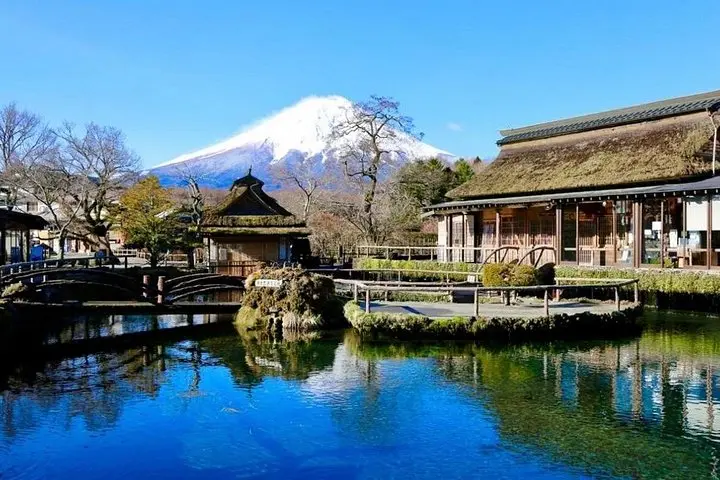
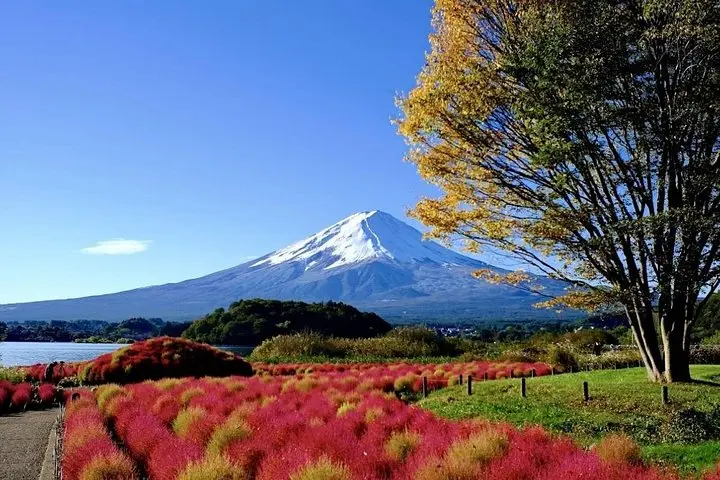
You start the day in Tokyo and, within an hour and a half, the city’s glass and neon give way to rice fields and highway pines. The road opens to a broad view: Mount Fuji rising, its flanks cut by lava and ash, snow lingering like a pale sash. A private vehicle drops you at viewpoints — Lake Kawaguchiko’s wind-polished surface, the flower-lined promenades of Oishi Park, the neat ponds of Oshino Hakkai — each stop a different frame of Fuji.
Verified experiences and guided adventures in the surrounding area.
Operated by Al Hareem Tours · Fujikawaguchiko, Yamanashi Prefecture
You start the day in Tokyo and, within an hour and a half, the city’s glass and neon give way to rice fields and highway pines. The road opens to a broad view: Mount Fuji rising, its flanks cut by lava and ash, snow lingering like a pale sash. A private vehicle drops you at viewpoints — Lake Kawaguchiko’s wind-polished surface, the flower-lined promenades of Oishi Park, the neat ponds of Oshino Hakkai — each stop a different frame of Fuji.
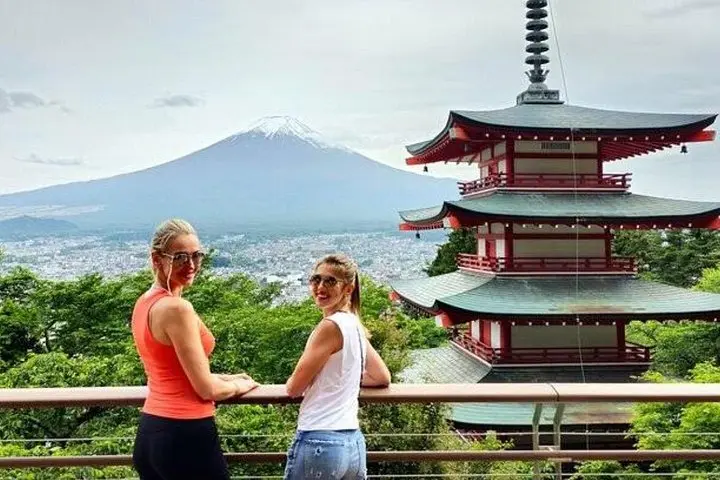
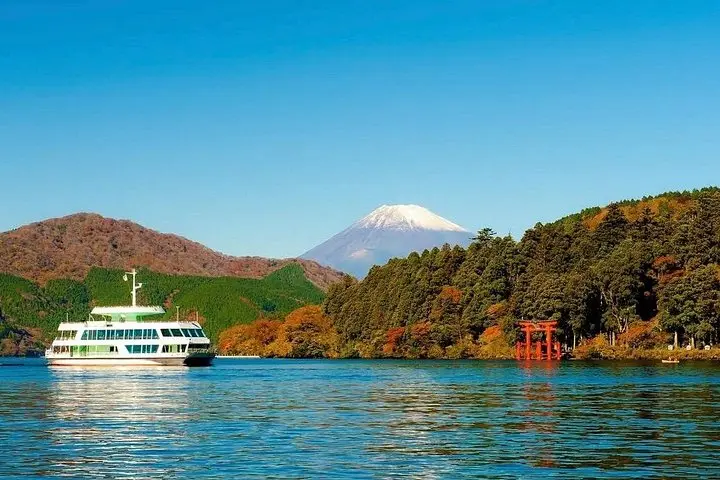
The mountain’s story is written in volcanic layers. Fuji’s last major eruption in the early 1700s reshaped the lakes and springs you’ll see; Oshino Hakkai’s clear ponds are fed by melt filtered through porous lava. Arakura Sengen Shrine and the Chureito Pagoda reflect centuries of local reverence: pilgrims and photographers climb the steps for the canonical Fuji-and-pagoda alignment. Gotemba and Hakone add post-eruption geology — lakes formed by debris and subterranean springs that still feed Kawaguchiko.
Culturally, the route threads small-town commerce, shrine rituals, and seasonal festivals — cherry blossoms in spring, chrysanthemums in autumn — with modern comforts: cafés, outlet malls, and visitor centers.
Practical guidance: the tour is about 8–10 hours by private vehicle with short walks at each stop; expect stairs at Chureito and thinner air at Fuji’s 5th station. Dress in layers, bring cash for small vendors, and plan photo stops early in the day when visibility is best. If visibility is poor, the private format lets you adapt — swap a viewpoint for a local museum or a longer lakeside lunch.
The private tour runs about 8–10 hours and typically includes hotel pick-up and drop-off in Tokyo.
No — this tour visits the 5th station and surrounding sights for views and short walks, not a summit climb.
Most outdoor viewpoints and parks don’t require admission; private attractions or museums may have separate fees not included in the tour price.
Yes, the trip is vehicle-based with short walks; however, stairs at Chureito and altitude at the 5th station may be strenuous for some—discuss mobility needs when booking.
Al Hareem Tours operates guided outdoor trips and adventures with an emphasis on safety, stewardship, and memorable experiences.
You start the day in Tokyo and, within an hour and a half, the city’s glass and neon give way to rice fields and highway pines. The road opens to a broad view: Mount Fuji rising, its flanks cut by lava and ash, snow lingering like a pale sash. A private vehicle drops you at viewpoints — Lake Kawaguchiko’s wind-polished surface, the flower-lined promenades of Oishi Park, the neat ponds of Oshino Hakkai — each stop a different frame of Fuji.
You start the day in Tokyo and, within an hour and a half, the city’s glass and neon give way to rice fields and highway pines. The road opens to a broad view: Mount Fuji rising, its flanks cut by lava and ash, snow lingering like a pale sash. A private vehicle drops you at viewpoints — Lake Kawaguchiko’s wind-polished surface, the flower-lined promenades of Oishi Park, the neat ponds of Oshino Hakkai — each stop a different frame of Fuji.
The mountain’s story is written in volcanic layers. Fuji’s last major eruption in the early 1700s reshaped the lakes and springs you’ll see; Oshino Hakkai’s clear ponds are fed by melt filtered through porous lava. Arakura Sengen Shrine and the Chureito Pagoda reflect centuries of local reverence: pilgrims and photographers climb the steps for the canonical Fuji-and-pagoda alignment. Gotemba and Hakone add post-eruption geology — lakes formed by debris and subterranean springs that still feed Kawaguchiko.
Culturally, the route threads small-town commerce, shrine rituals, and seasonal festivals — cherry blossoms in spring, chrysanthemums in autumn — with modern comforts: cafés, outlet malls, and visitor centers.
Practical guidance: the tour is about 8–10 hours by private vehicle with short walks at each stop; expect stairs at Chureito and thinner air at Fuji’s 5th station. Dress in layers, bring cash for small vendors, and plan photo stops early in the day when visibility is best. If visibility is poor, the private format lets you adapt — swap a viewpoint for a local museum or a longer lakeside lunch.