THE ADVENTURE COLLECTIVE® · Independent discovery and booking for outdoor travel

A full‑day coach tour from Tokyo that links Kawaguchiko’s lakeside views, Arakura Sengen Park’s iconic pagoda framing, the clear springs of Oshino Hakkai, and the Fuji 5th Station at 2,300 m—ideal for photographers and first‑time visitors to Mount Fuji.
A full‑day coach tour from Tokyo that links Kawaguchiko’s lakeside views, Arakura Sengen Park’s iconic pagoda framing, the clear springs of Oshino Hakkai, and the Fuji 5th Station at 2,300 m—ideal for photographers and first‑time visitors to Mount Fuji.
The day opens on a still gray Tokyo morning and closes with a close, uncompromising view of Mount Fuji—snow flank and summit framing the horizon as the coach eases past rice paddies and roadside shrines.
Verified experiences and guided adventures in the surrounding area.
Operated by GORYO CO. LTD. · Fujikawaguchiko, Yamanashi
The day opens on a still gray Tokyo morning and closes with a close, uncompromising view of Mount Fuji—snow flank and summit framing the horizon as the coach eases past rice paddies and roadside shrines.
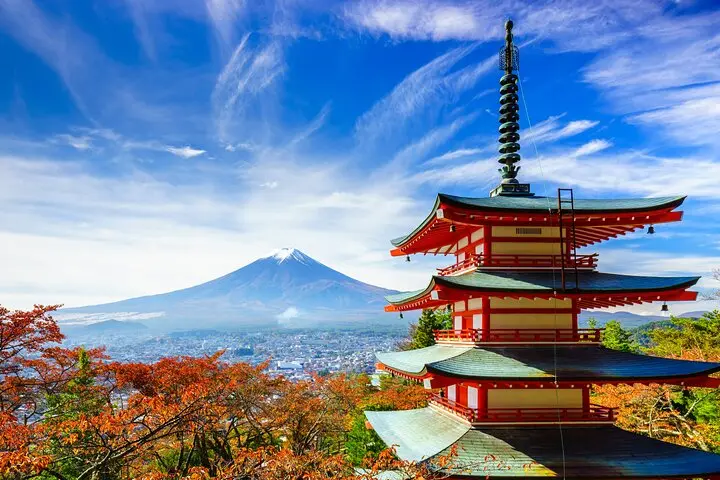
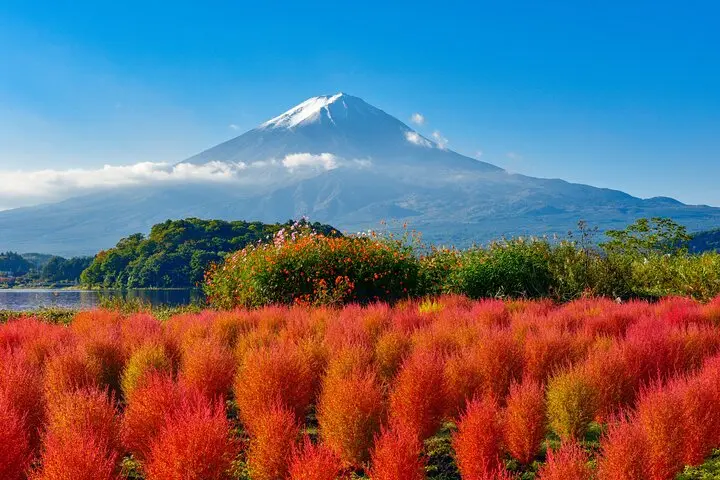
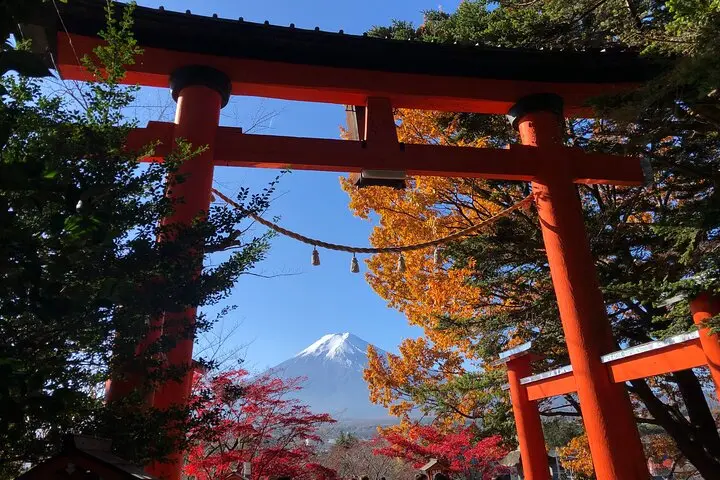
The tour drops travelers at Oishi Park on Lake Kawaguchi where the water dares you to frame Fuji in a single photograph. From there it pushes up to Arakura Sengen Park: 398 steps reward visitors with the classic vista of a five‑storied pagoda in foreground and Fuji rising behind it—an image tied to shrine culture and seasonal cherry blossom viewing.
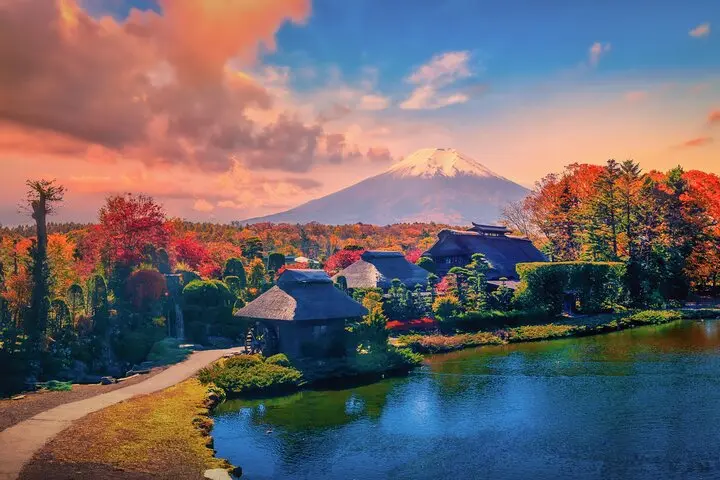
Geology here is blunt and recent: a stratovolcano shaped over millennia by lava and pyroclastic flows, its slopes feed springs that form Oshino Hakkai’s crystal ponds—water filtered through porous lava for decades. Culture is close at hand; Fujisan is a UNESCO cultural landscape and a pilgrimage focus for centuries.
Practical guidance: expect a full 10‑hour day with moderate walking—stair climbs, paved lakeside promenades and brief market strolls. Altitude at the Fuji 5th Station reaches ~2,300 m; bring layers for sudden wind and sun. Photography windows are narrow—early light at Oishi or late afternoon at the 4th/5th stations yields the best clarity.
Plan for bottled water, slip‑resistant shoes, and a pocket for small shrine offerings or onsen gifts. The route is accessible by coach from Tokyo but requires a reasonable level of fitness to fully enjoy the viewpoints and short hikes.
Meet at Bus Terminal Tokyo Yaesu (B2/F) bus stop no. 13 or the Mitsui Sumitomo Bank area in Shinjuku—confirm the meeting point on your booking.
No; the tour visits the Fuji 5th Station (around 2,300 m), which is a viewpoint and shopping area but not a full summit ascent.
Access varies by season; the itinerary substitutes the 4th Station or Yamanakako viewpoints in winter for safer and clearer views.
Meals are not included; there are restaurants and souvenir shops at the 5th Station and vending options at other stops.
GORYO CO. LTD. operates guided outdoor trips and adventures with an emphasis on safety, stewardship, and memorable experiences.
The day opens on a still gray Tokyo morning and closes with a close, uncompromising view of Mount Fuji—snow flank and summit framing the horizon as the coach eases past rice paddies and roadside shrines.
The day opens on a still gray Tokyo morning and closes with a close, uncompromising view of Mount Fuji—snow flank and summit framing the horizon as the coach eases past rice paddies and roadside shrines.
The tour drops travelers at Oishi Park on Lake Kawaguchi where the water dares you to frame Fuji in a single photograph. From there it pushes up to Arakura Sengen Park: 398 steps reward visitors with the classic vista of a five‑storied pagoda in foreground and Fuji rising behind it—an image tied to shrine culture and seasonal cherry blossom viewing.
Geology here is blunt and recent: a stratovolcano shaped over millennia by lava and pyroclastic flows, its slopes feed springs that form Oshino Hakkai’s crystal ponds—water filtered through porous lava for decades. Culture is close at hand; Fujisan is a UNESCO cultural landscape and a pilgrimage focus for centuries.
Practical guidance: expect a full 10‑hour day with moderate walking—stair climbs, paved lakeside promenades and brief market strolls. Altitude at the Fuji 5th Station reaches ~2,300 m; bring layers for sudden wind and sun. Photography windows are narrow—early light at Oishi or late afternoon at the 4th/5th stations yields the best clarity.
Plan for bottled water, slip‑resistant shoes, and a pocket for small shrine offerings or onsen gifts. The route is accessible by coach from Tokyo but requires a reasonable level of fitness to fully enjoy the viewpoints and short hikes.